
Last updated November 14, 2026
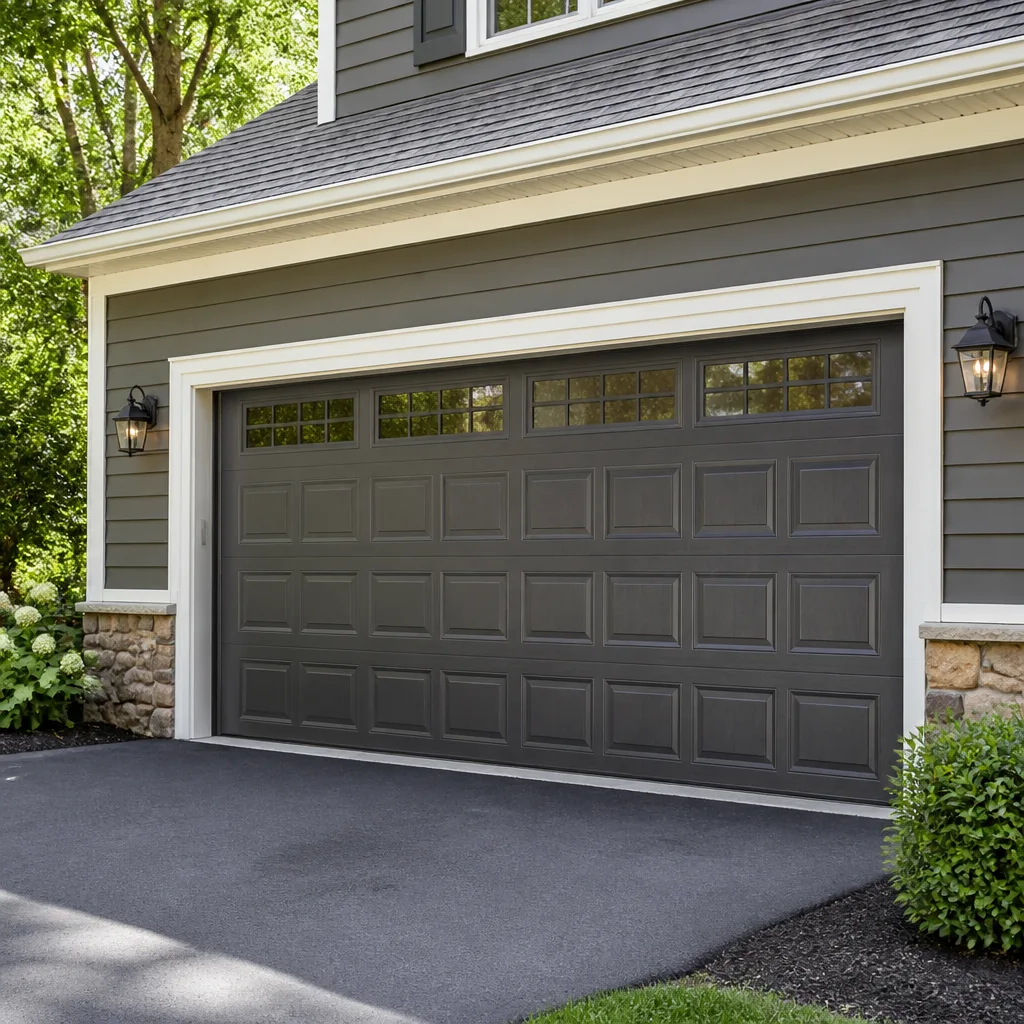 Raised-panel steel
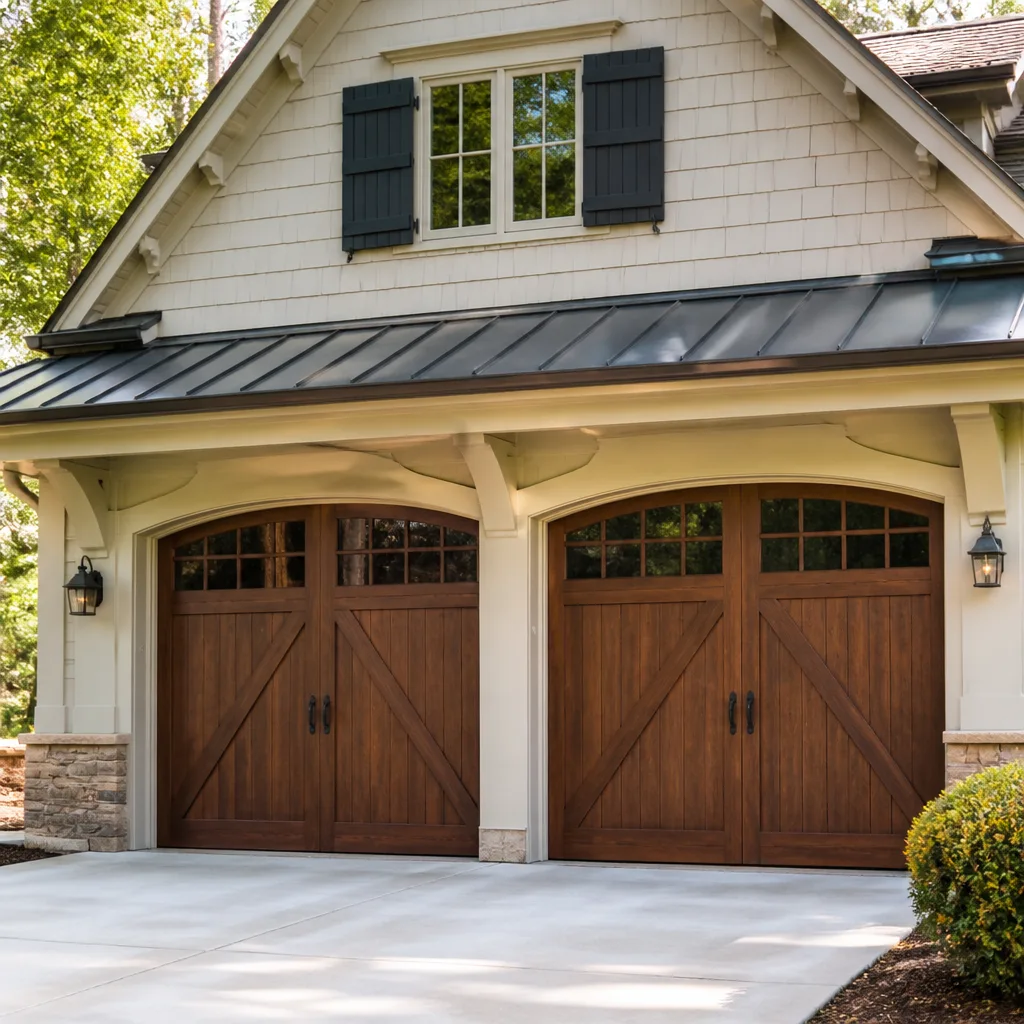 Carriage house
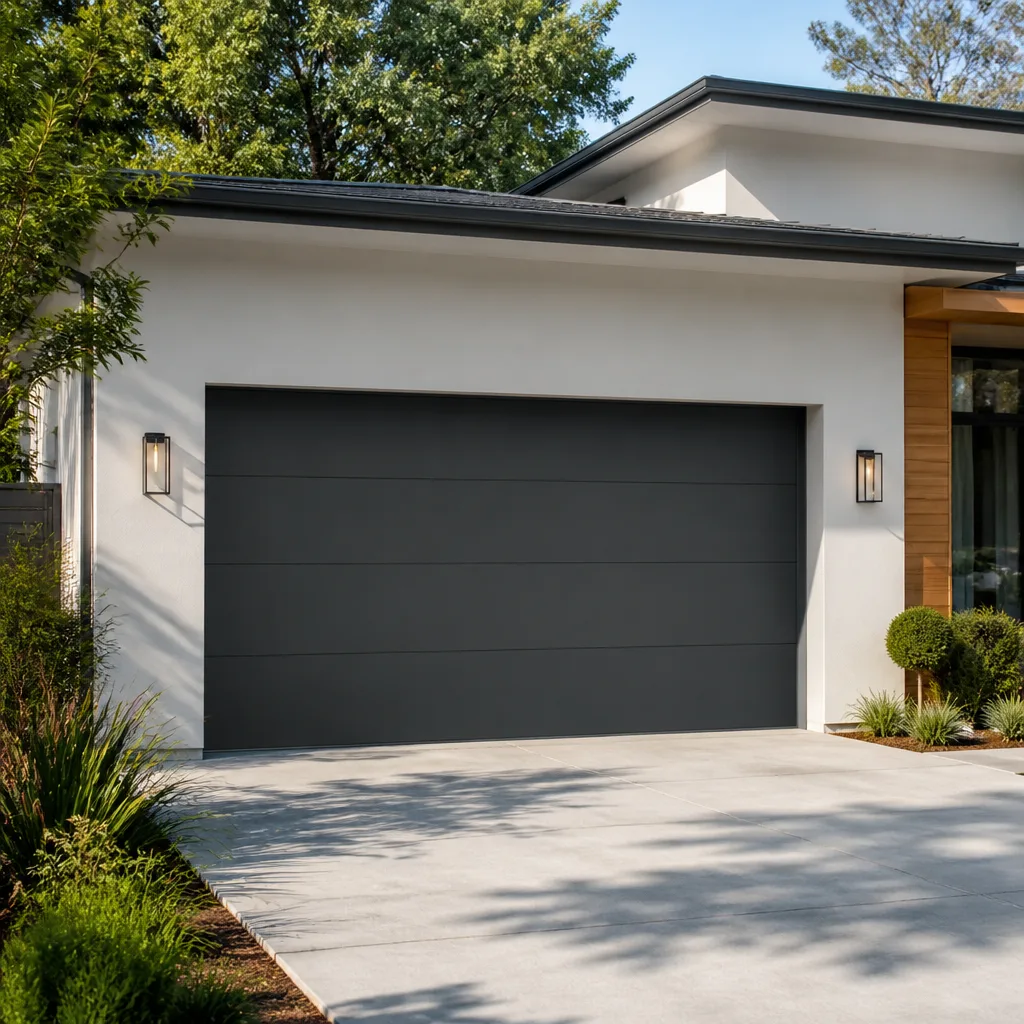 Modern flush
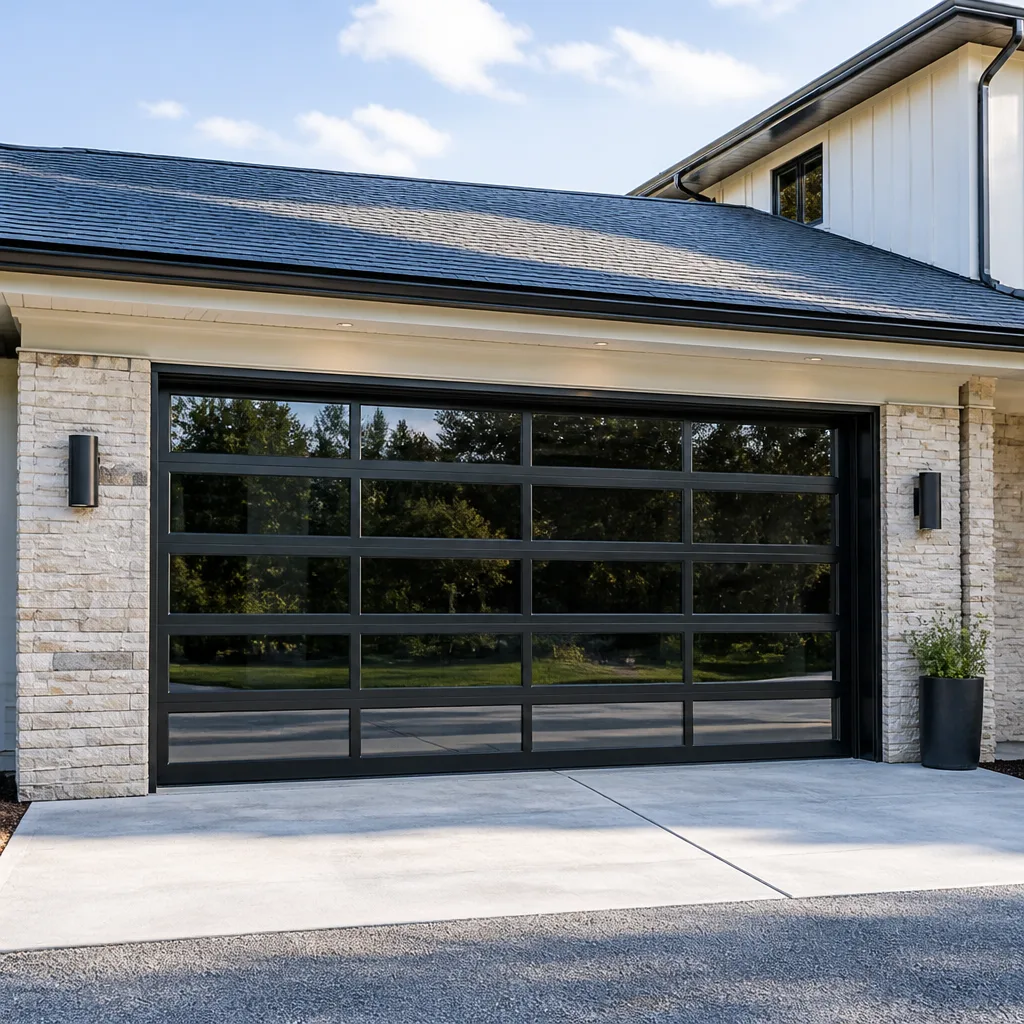 Full-view glass
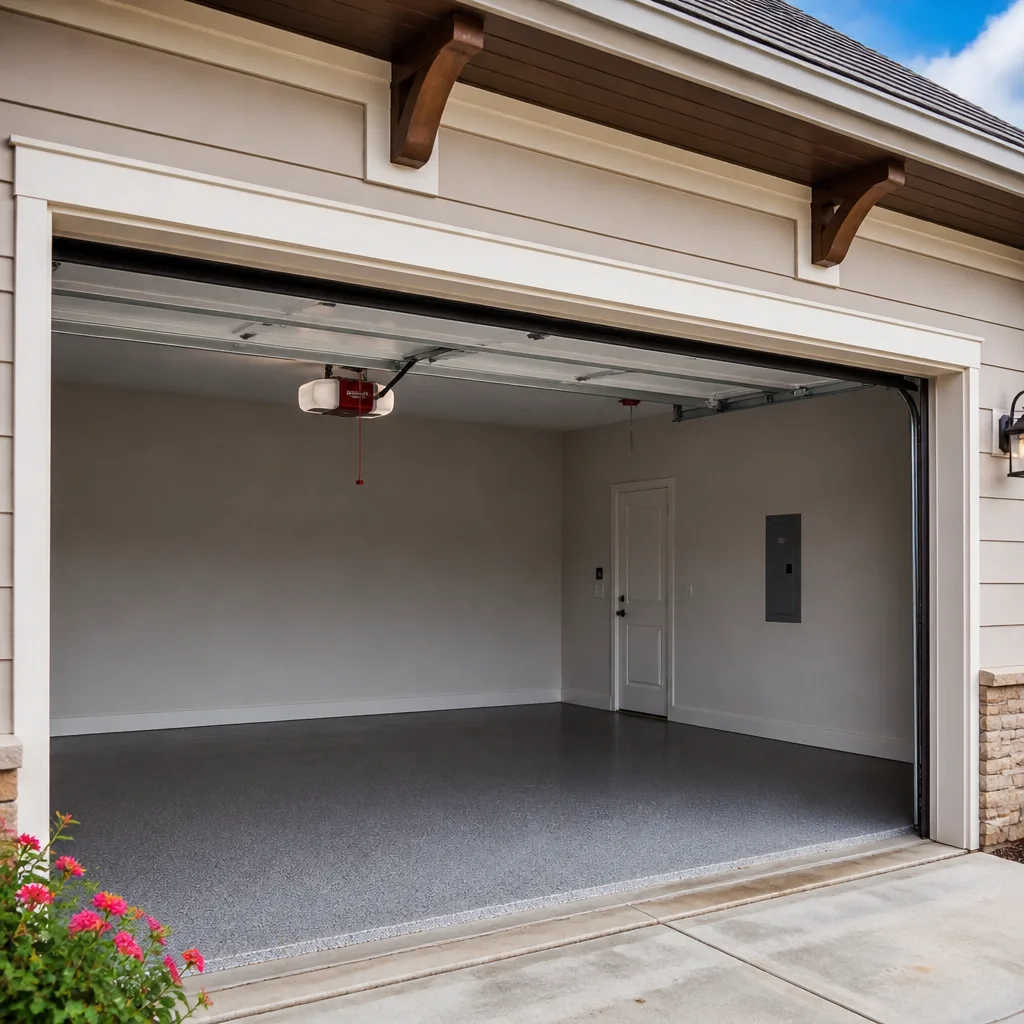 LiftMaster openers
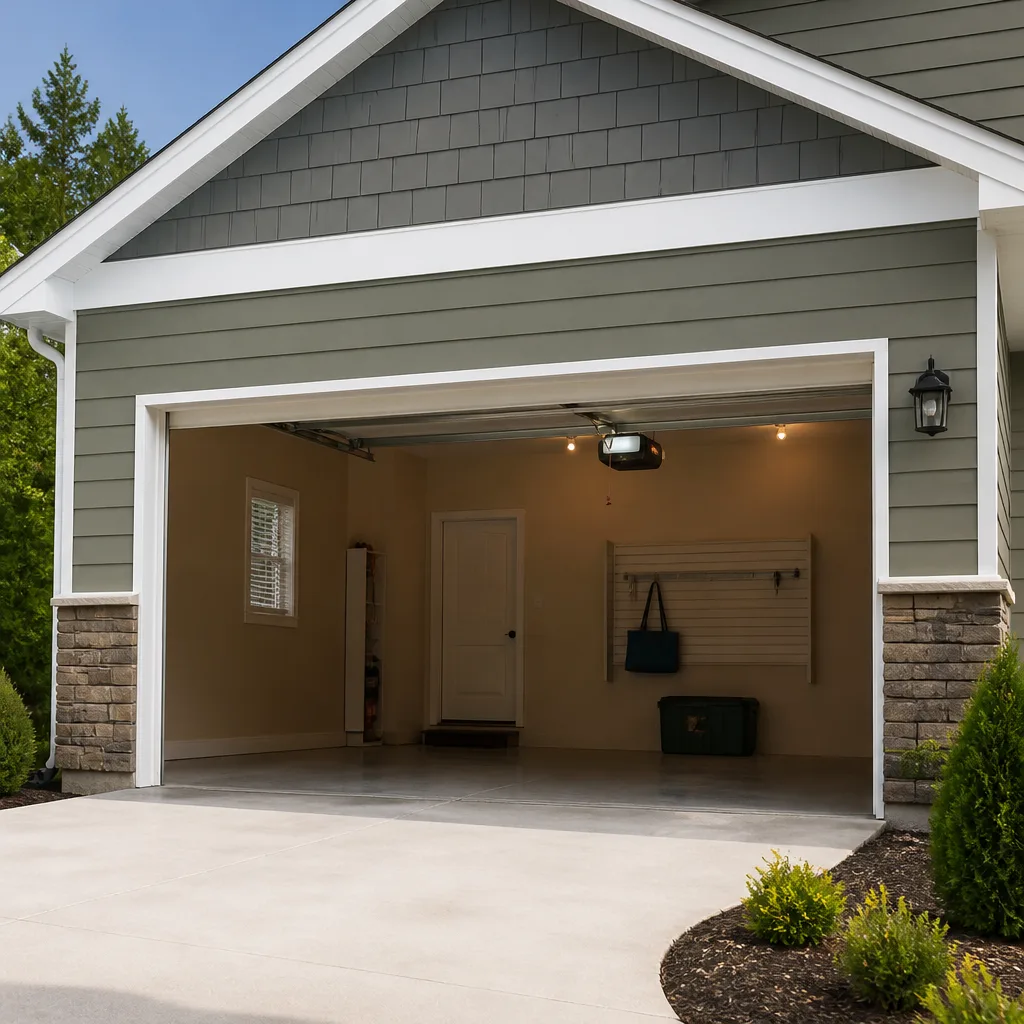 Chamberlain openers
Full 25-point door and opener safety check with every visit - springs, cables, rollers, tracks, and your LiftMaster or Chamberlain opener included
You get a price before we start. It does not change when the pro arrives.
Get your free estimateThe Complete Guide to Garage Doors in Midland
Most homeowners in Midland think about their garage door twice: the day it’s installed and the day it breaks. That’s the mistake. A garage door is a precision mechanical system with springs under load, cables under tension, rollers tracking on rails, and a motor doing the lifting. It operates in one of the harshest environments in Texas, where summer heat bakes the panels, alkaline caliche dust grinds the moving parts, and the occasional hard freeze contracts everything overnight. This guide walks you through the full lifecycle of a Midland garage door: how to choose one, how to maintain it, when to repair versus replace, and what each stage realistically costs. By the end, you’ll know how to make informed decisions at every turn instead of reacting to failures.
Quick Answer
A garage door in Midland needs a steel or aluminum door rated for high UV exposure, a torsion-spring system that’s properly balanced, and a maintenance schedule that accounts for caliche dust and wide seasonal temperature swings. Repair and repair-level costs usually run $150-$650 depending on the part, while a full installation typically runs $1,200-$4,500. The single biggest variable is whether you diagnose the problem early or wait until a worn roller becomes a bent track.
Styles & brands we work with
- Raised-panel steel
- Carriage house
- Modern flush
- Full-view glass
- LiftMaster openers
- Chamberlain openers
Table of Contents
- Why Midland Is Hard on Garage Doors
- Choosing the Right Door Material for West Texas
- Choosing an Opener for a Midland Schedule
- The Maintenance Schedule That Actually Works Here
- Repair or Replace? A Decision Framework
- What Garage Door Work Costs in Midland
- Springs, Cables, and What You Should Never Touch
- The 15-Year Lifecycle of a Midland Garage Door
Why Midland Is Hard on Garage Doors
Midland’s climate is not gentle on mechanical systems. The region swings through hot summers that regularly top 100°F, mild winters with occasional sharp cold snaps, and pervasive alkaline dust from the surrounding caliche soil. That combination attacks a garage door from three directions at once: thermal expansion and contraction cycles the steel, dust infiltrates every moving joint, and the wide temperature spread means materials are constantly shifting.
Steel panels expand in the summer heat and contract during winter cold snaps. Over years, that flexing works on the fasteners and track alignment. A door installed with perfect tolerances can develop a slight bind on one side because the panels have shifted by a fraction of an inch and the tracks have followed. In humid climates, the shift is smaller; the temperature range is narrower and the air stays more stable. In Midland, the daily swing between a cool morning and a 100°F afternoon is enough to hear the door settle.
The dust is the second factor. Caliche is a calcium carbonate-rich soil common across the Permian Basin. Wind-blown dust from it is fine, abrasive, and slightly alkaline. It works into bottom seals, weatherstripping channels, roller bearings, and hinge pivots. Left alone, it acts like a lapping compound on every moving piece until the rollers wear flat and the hinges develop play.
Cold snaps are the third factor. Midland doesn’t get long, sustained winters the way northern states do, but it does get sharp freezes. A freeze event that drops 30 degrees in a night puts more stress on a torsion spring and its mounting hardware than weeks of steady cold. The spring is the most highly loaded component on the entire door, and rapid temperature change is when cracks in old springs become failures.
The practical upshot: a Midland garage door ages differently than the same door in Houston or Amarillo. Maintenance intervals should account for it, and material selection should too. If you want a specialist to look at yours, our Nautilus Garage Door Repair team works on every part of the system, not just the motor.
Choosing the Right Door Material for West Texas
Material choice in Midland comes down to three things: UV resistance, dust tolerance, and how well the door handles temperature cycling. The wrong material isn’t a disaster, but it will age faster than it should and cost more in maintenance over its life.
Steel: the practical default
Steel is the most common garage door material in Midland for good reason. A 24- or 25-gauge steel door with a baked-on polyester finish handles UV exposure well, resists warping, and holds its shape through temperature swings. The finish matters more than the gauge for UV performance. A powder-coated or baked-enamel finish rated for exterior exposure will hold color and resist chalking far longer than a cheaper paint system.
Thicker steel (lower gauge number) resists denting better. In a region where hailstorms are common, a 24-gauge door will dent less than a 28-gauge door of the same design. Heavier steel also holds its alignment better over time because it moves less under temperature change.
Aluminum: light, but check the finish
Aluminum doors resist rust well but dent more easily than steel. In a dusty environment, they also show chalky oxidation sooner if the finish isn’t rated for high-UV exposure. If you go aluminum, insist on a factory finish rated for exterior exposure, not a field-applied paint.
Wood and composite: possible, but high maintenance
Wood doors look beautiful but require regular sealing and refinishing in Midland’s UV environment. Without that upkeep, the wood dries, cracks, and warps. Composite and faux-wood doors are a middle ground: they mimic wood and handle UV better, though they cost more than steel.
Insulation: matters more than you’d think
An insulated door reduces heat transfer into an attached garage. In Midland summers, an uninsulated garage can bake the interior and radiate heat into the house. An insulated door with a polyurethane core (rather than polystyrene) slows that transfer more effectively.
- UV exposure: insist on a factory exterior-rated finish, not field paint.
- Hail resistance: 24-gauge steel denting less than thinner panels.
- Alignment stability: heavier panels hold their track position better through temperature swings.
- Insulation: polyurethane cores outperform polystyrene for heat transfer.
Choosing an Opener for a Midland Schedule
Midland’s oil-and-gas workforce keeps unusual hours. Shifts start before dawn, some workers are gone for weeks at a time, and family schedules revolve around rotations. An opener that fits that pattern isn’t the same one that makes sense for a nine-to-five household.
Key features for this schedule
- Battery backup: power flickers during West Texas storms. A battery-backup opener lets you open the door during an outage without pulling the emergency release.
- Wi-Fi and app control: check and operate the door from anywhere. This matters most during long absences when you want to confirm it’s closed.
- Real-time status: an opener that reports open/closed state in the app, not just reacts to a button press.
- Automatic close-after-time: set the door to close itself if it’s been left open, useful when someone leaves in a hurry at 4am.
- Quiet operation: belt-drive openers run quieter than chain-drive, which matters if a bedroom sits above the garage.
Brands that make sense
LiftMaster and Chamberlain both build openers with strong smart-home integration and battery backup. Genie is a solid option as well, and Craftsman is still common on older Midland homes and remains serviceable. If your existing opener is a LiftMaster, a Chamberlain, a Genie, or a Craftsman, we can repair it rather than push a replacement. That’s the difference between a specialist and a generalist: our garage door opener repair service keeps working systems working.
When to upgrade rather than repair
If your opener is a chain-drive unit without battery backup, safety sensors, or app control, repairing it may not be the best use of money. Modern openers add safety and remote monitoring at modest cost. If the motor is fine but the logic board, sensors, or remote receiver have failed, repair is usually the faster and cheaper call.
The Maintenance Schedule That Actually Works Here
Most garage door maintenance advice assumes a mild, humid climate. Midland needs a different schedule because dust and temperature swing do more damage than corrosion. Here’s the routine that matches how these doors actually wear in the Permian Basin.
Monthly (5 minutes)
- Open and close the door from inside and listen for grinding, popping, or uneven travel.
- Check the safety sensors: block the beam with an object and confirm the door reverses.
- Wipe the bottom seal with a damp cloth to clear loose caliche dust before it gets pressed in.
Every three months
- Lubricate hinges, rollers, and bearing plates with a garage-door-specific lubricant (not WD-40, which attracts dust).
- Inspect the rollers for flat spots, cracks, or wobble.
- Look at the weatherstripping on the sides and top for tears or gaps.
- Test the auto-reverse: lay a 2×4 flat on the ground under the door and confirm it reverses on contact.
Twice a year
- Check the balance: disconnect the opener, lift the door halfway, and let go. It should stay put. If it drifts down or up, the springs need adjustment.
- Look at the torsion springs at the top of the door for rust or visible gaps. Don’t touch them; just look.
- Check the track for bends, loose brackets, or debris.
Annually
- Have a specialist inspect the spring system, cables, and drum. This is where small problems become expensive ones.
- Check the opener’s force setting and travel limits.
- Verify the bottom seal is making full contact across the width of the door.
The bottom seal is the part most Midland homeowners underestimate. Caliche dust infiltrates it faster than in humid climates because the dust is dry and fine, and it gets pushed in every time the door closes. A seal that’s lost contact lets dust under the door and into the garage, where it settles on anything stored there.
Repair or Replace? A Decision Framework
The repair-versus-replace decision usually comes down to the door’s age, its structural condition, and how many systems are failing at once. Here’s the framework we use.
Repair if…
- The door panels and frame are straight and rust-free.
- A single component failed (spring, opener, one roller, cable).
- The door is under 12 years old and otherwise well maintained.
- The tracks are aligned and the balance was correct before the failure.
Replace if…
- The panels are dented, rusted through, or delaminating.
- The door is over 15-20 years old and has had multiple major repairs.
- Two or more systems are failing (springs plus opener plus seal plus tracks).
- The insulation has failed (bowing or separating) and heat transfer is a concern.
- The door doesn’t fit the opening cleanly and tracks have been bent multiple times.
The middle ground
Sometimes the right call is repair plus an upgrade. If a 15-year-old Clopay or Amarr door is structurally sound but its opener is failing, you can install a modern opener and get another decade from the door. If the door panels are good but the springs are fatigued and the rollers are worn flat, a spring-and-roller job can restore performance without replacing the door. The key is diagnosis before a decision. A specialist will give you an honest read on what’s actually worn versus what’s just old.
What Garage Door Work Costs in Midland
Garage door pricing varies by what’s being fixed and which part is being replaced. The ranges below are typical for the Midland market, and the written estimate you receive before work starts is the price you pay. Nothing gets done without an agreed quote.
Common repair costs
| Service | Typical cost |
|---|---|
| Torsion spring replacement (one spring) | $180-$340 |
| Extension spring replacement (one spring) | $150-$300 |
| Roller replacement (set) | $100-$200 |
| Hinge replacement (per hinge) | $40-$100 |
| Cable replacement (per cable) | $160-$350 |
| Track straightening or replacement | $150-$450 |
| Bottom seal replacement | $100-$250 |
| Opener repair (board, motor, sensors) | $120-$350 |
| Opener replacement (installed) | $300-$800 |
Springs are replaced in matched pairs because they wear at the same rate. Expect a pair to cost roughly double a single spring.
Installation costs
| Door type | Typical installed cost |
|---|---|
| Single-car steel door (uninsulated) | $1,200-$2,200 |
| Single-car steel door (insulated) | $1,800-$3,200 |
| Double-car steel door (insulated) | $2,500-$4,500 |
| Custom or oversized door | quote per job |
Installation costs include the door, tracks, springs, and hardware. An opener is separate if you’re adding one. If you’re replacing a door that’s already wired for an opener, the existing unit can usually be reused if it’s compatible with the new door’s weight and travel.
Maintenance costs
A preventive maintenance visit typically runs $90-$180 depending on what’s included. That’s a tune-up, lubrication, balance check, and safety inspection. Doing this once a year is far cheaper than the spring and track repairs that happen when a worn part goes unaddressed.
What drives cost up
- Access problems (a door blocked by stored items or a low-clearance track).
- Non-standard door sizes.
- Doors that need new tracks in addition to the original repair.
- Rotted framing around the opening (more common on older homes).
The most important pricing fact is simple: the estimate is free, and the price is set in writing before any work begins. If a number changes mid-job, that’s a conversation you should have had in advance. For a look at the range of services we handle, see our garage door repair page.
Springs, Cables, and What You Should Never Touch
The torsion springs at the top of a garage door are the most dangerous part of the entire system. A spring under load stores enormous energy, and if it releases unexpectedly, it can cause serious injury or worse. The cables are similarly under tension and can whip loose if a bracket fails. This is not a warning to be cautious; it’s a warning to leave these components to a trained technician.
What you can safely do
- Visual inspection (look, don’t touch).
- Lubrication of hinges, rollers, and bearing plates.
- Testing the safety reverse.
- Wiping the bottom seal.
- Cleaning the track with a dry cloth.
What requires a professional
- Spring replacement or adjustment.
- Cable replacement or re-tensioning.
- Drum, bracket, or torsion bar work.
- Track replacement or realignment.
- Opener wiring, logic board replacement, or sensor replacement.
One more caution: don’t ignore a door that reverses on its own or stops halfway. That’s often a sensor or balance issue that can put strain on the opener and springs. A trained technician can find the cause quickly, and repairing it early prevents the kind of cascading failure that turns a $200 repair into a $700 one. Even a small job like a bottom seal or a single worn roller is worth having done right; a specialist can also catch things like a loose bracket that a homeowner wouldn’t notice until it failed.
The 15-Year Lifecycle of a Midland Garage Door
Here’s what the full arc looks like for a door installed in Midland, mapped against expected wear points. Not every door follows this timeline exactly, but it’s close for most.
Year 0: Installation
A new door, correctly installed, has a clear runway. The door should open smoothly, the springs should be matched to the door weight, and the tracks should be aligned. This is the time to note the model and weight of the door so future repairs use compatible parts.
Years 1-3: Early maintenance window
Bottom seals start to show wear from dust and sun. Rollers begin to wear in. This is when the annual lubrication schedule pays off. A door that’s kept lubricated here has a much longer runway on rollers and hinges.
Years 3-5: First major wear points
Opener motor brushes may start to wear. The first spring fatigue becomes visible (not failure, but the door starts to feel heavier). Bottom seals may need replacement. This is where a maintenance visit catches problems before they spread.
Years 5-8: First major repair window
Springs are the most likely failure. Rollers often need replacement. The opener may need a new logic board or sensor. This is the point where a homeowner decides whether to keep maintaining the door or plan for replacement in a few years.
Years 8-12: Second failure window
Opener motor itself may fail. Tracks may need minor realignment from years of thermal cycling. Second spring set is often needed. If the door is showing panel damage or delamination, this is when the case for replacement starts to make sense.
Years 12-15: Replacement horizon
If a door reaches 15 years with original panels in good shape and a history of maintenance, it’s still usable. Most doors at this age are due for a full replacement because the cost of the next set of repairs is a meaningful fraction of the cost of a new door.
The lifecycle in one place
- Year 0: install right, note model and weight.
- Years 1-3: annual lubrication, bottom seal inspection.
- Years 3-5: roller replacement window, spring inspection.
- Years 5-8: first spring replacement, opener repair window.
- Years 8-12: second spring set, track realignment, opener replacement.
- Years 12-15: evaluate full replacement.
Brand matters here. A door from Clopay, Amarr, Wayne Dalton, or Raynor holds up differently depending on model and finish. An opener from LiftMaster, Chamberlain, Genie, or Craftsman has its own wear curve. Knowing the brand tells a technician what to expect and which parts to look for. In Midland, where a door faces UV, dust, and temperature swing at once, that knowledge shortens the diagnosis and avoids guesswork. If you’re in the Midland area and want a second opinion on where your door is in its lifecycle, we can take a look.
Common Mistakes to Avoid
- Lubricating with the wrong product. WD-40 and general-purpose oil attract dust and turn into a grinding paste in caliche country. Use a garage-door-specific lubricant that’s designed to stay in place without collecting grit.
- Ignoring the bottom seal. A worn seal lets alkaline dust under the door and into the garage, where it migrates into the opener and hinges. Replacing a $100-$250 seal is cheaper than replacing worn rollers and a hinge set.
- Replacing one spring when both are worn. Springs are installed as a matched pair and wear at the same rate. Replacing one usually means the second fails within a month or two, and you pay for another service call.
- Adjusting the opener’s force setting to “fix” a heavy door. If the door feels heavy, the springs are fatigued, and turning up the opener’s force just strains the motor and the door. Fix the balance, not the motor.
- Skipping the annual inspection because the door “still works.” A door that opens and closes can still have a crack in a spring or a worn cable. By the time it fails, it’s usually at the worst moment.
- Assuming any handyman can handle a garage door. A generalist may be able to hang a door, but a spring balance problem, a cable replacement, or an opener logic board repair requires someone who works on these systems every day. Choosing a dedicated specialist avoids the “we don’t work on that brand” dead end.
- Overlooking the opener during a door upgrade. A new door weighs differently than the one it replaces. If the opener wasn’t sized for the new door (or was already near end of life), it can fail early. Check whether the existing opener is compatible before the installer finishes.
See the difference
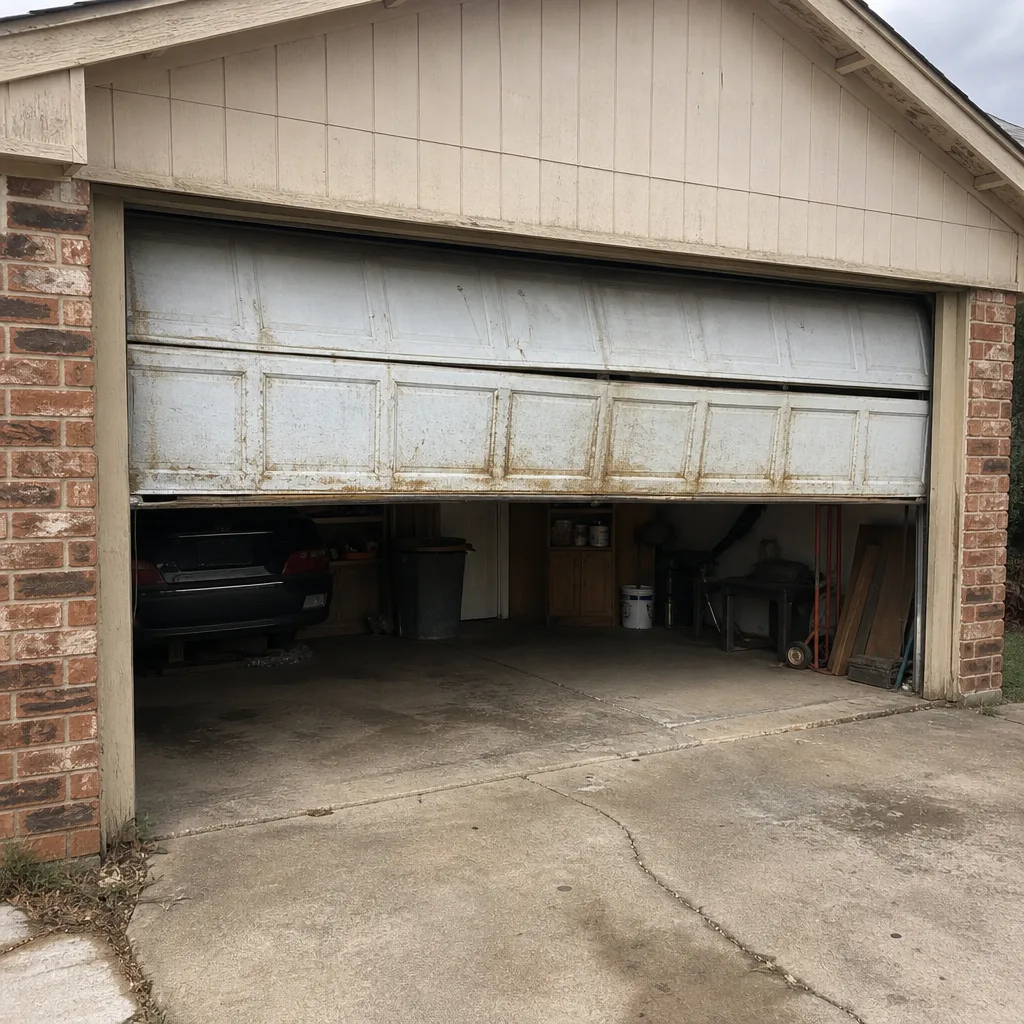 Before
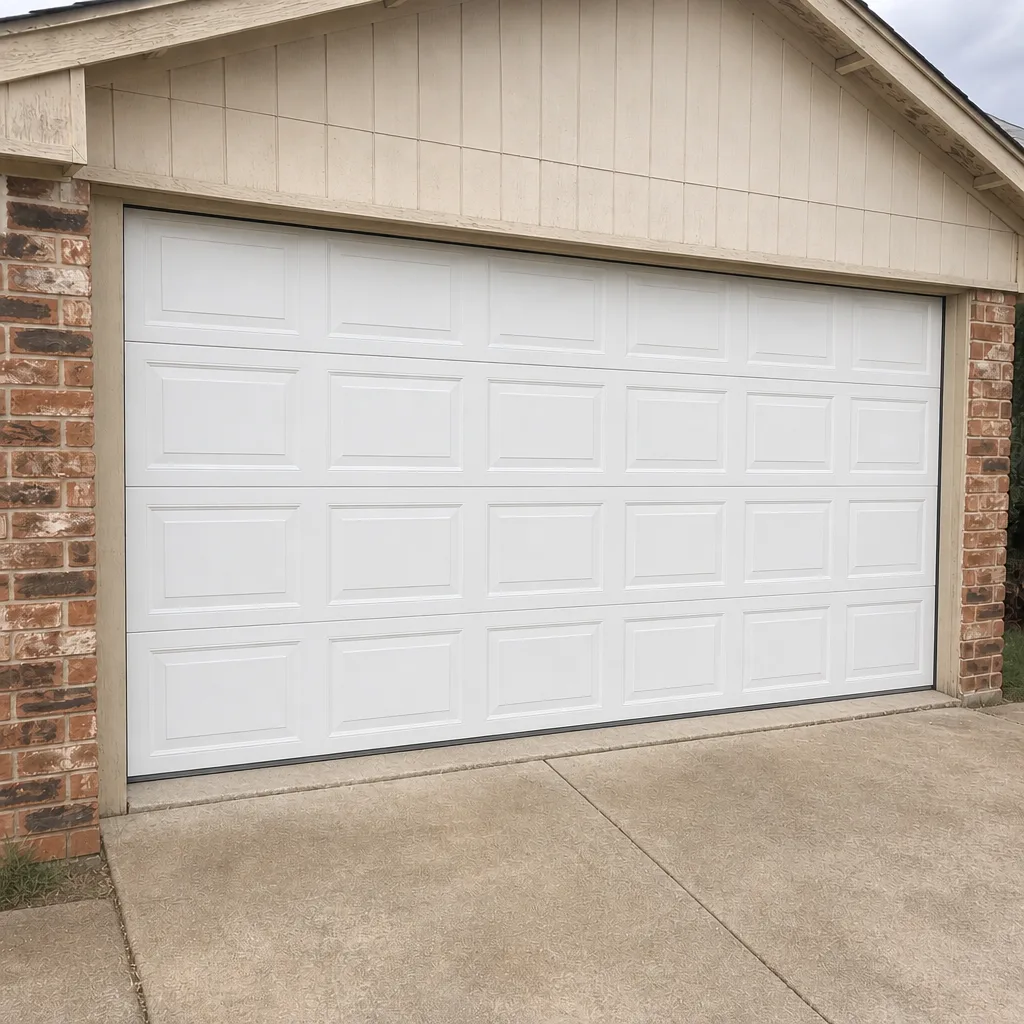 After
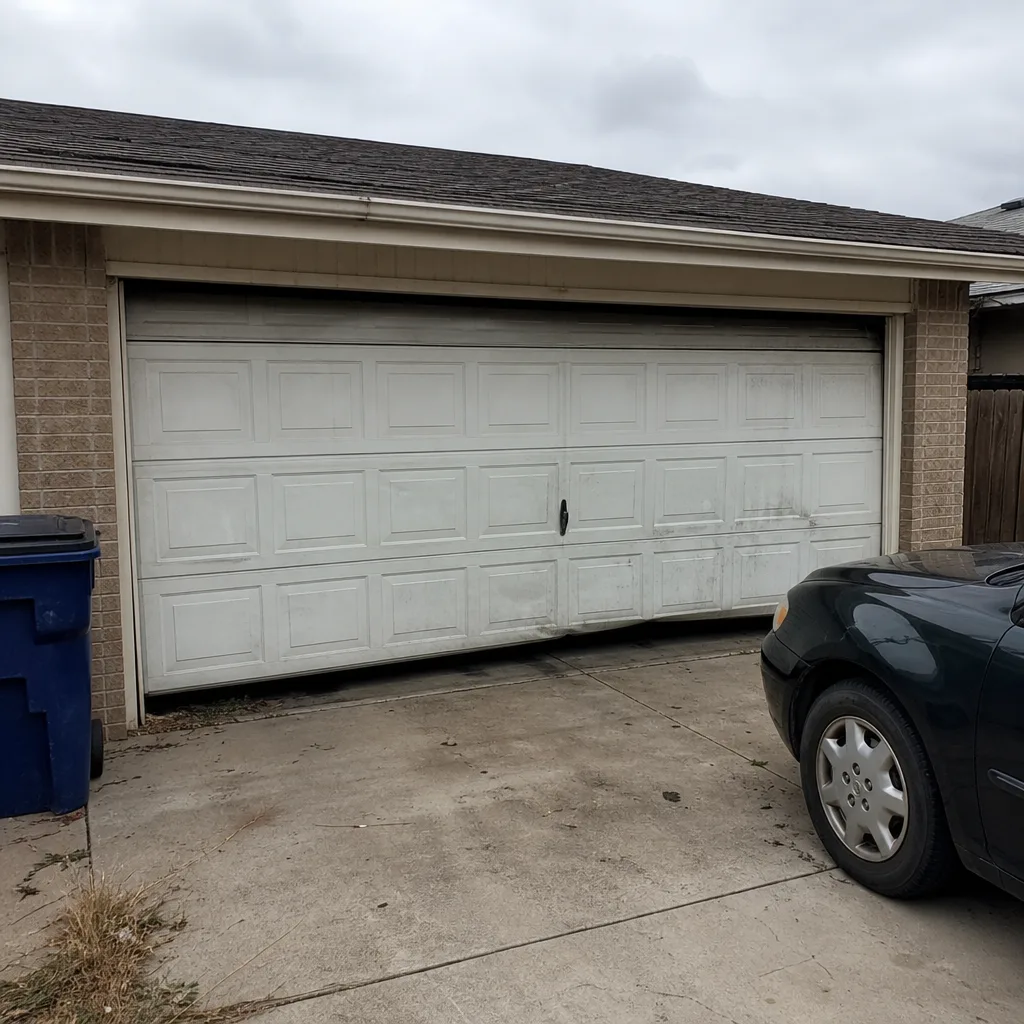 Before
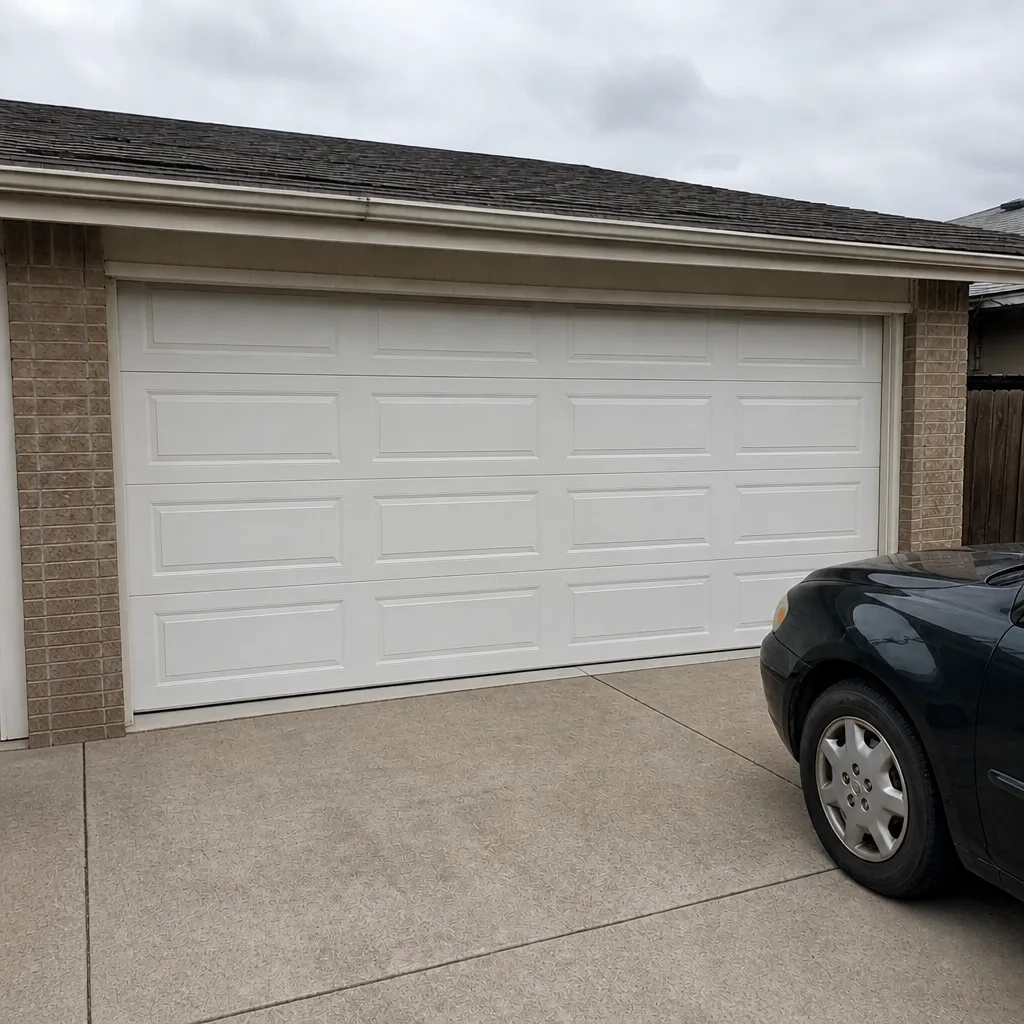 After
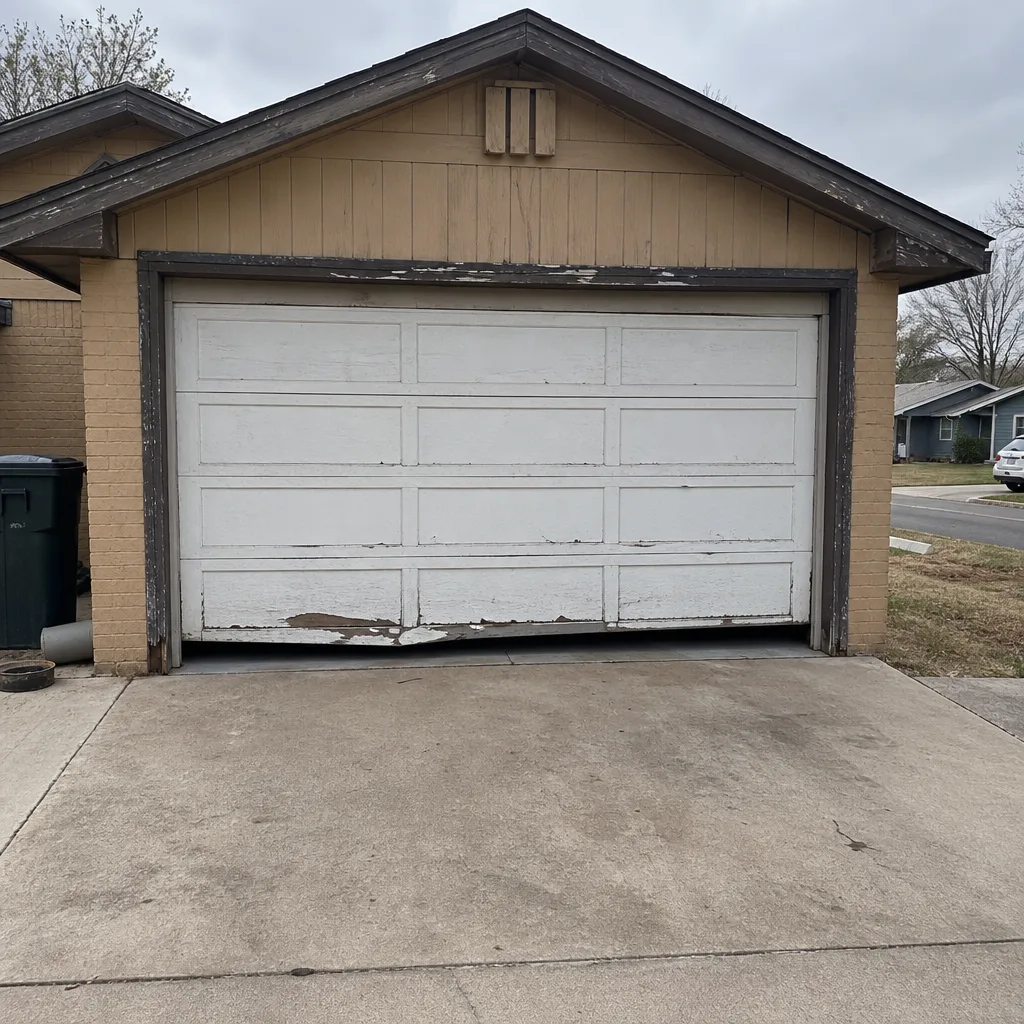 Before
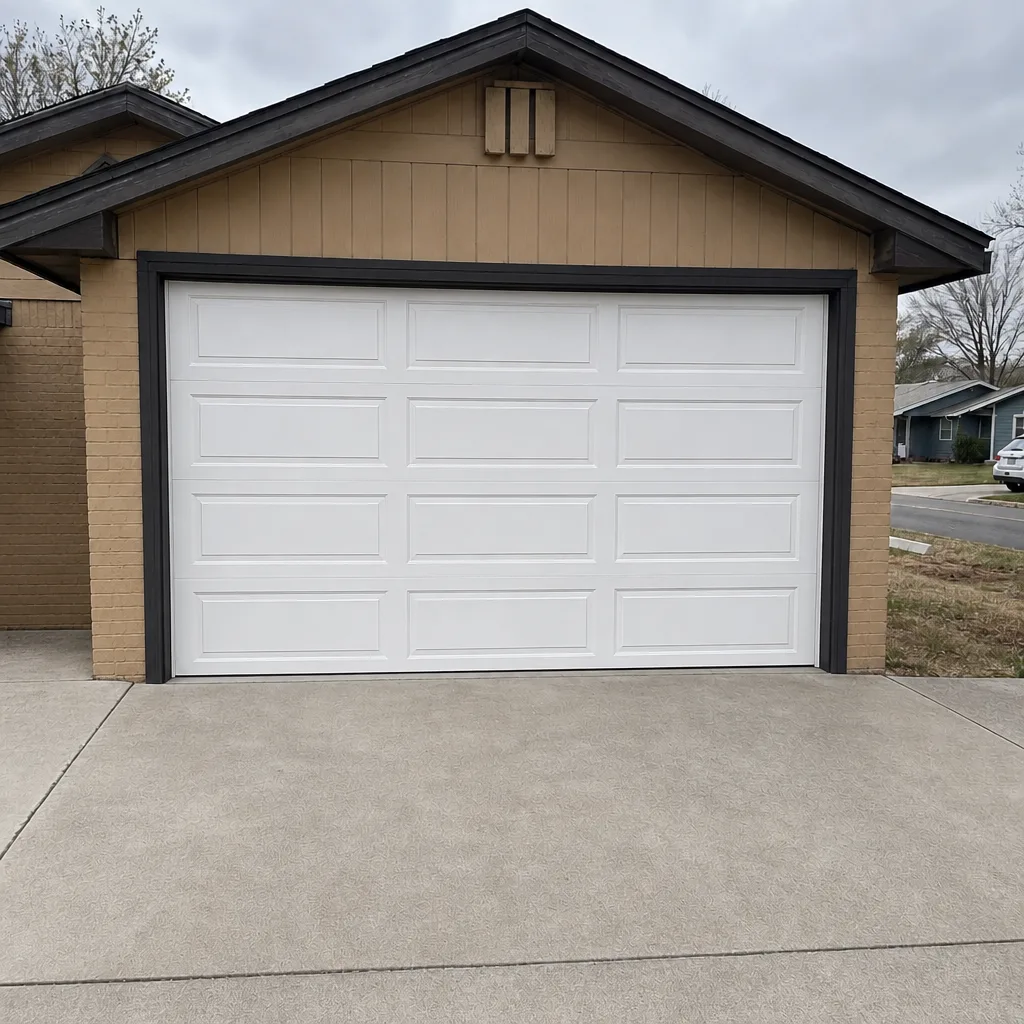 After
When to Call a Professional
Call a professional when the door’s balance has changed (it drifts down when released halfway), when you see a broken spring, when the opener reverses without a cause, or when the door has begun to grind or pop. Call when a cable is visibly loose or frayed. Call if the door has become hard to lift by hand. All of those situations involve loaded components that are unsafe to diagnose without training. Also call if the door is over 12 years old and has never had a full inspection; there are wear points that don’t announce themselves until they fail. Nautilus Garage Door Repair offers free estimates in Midland. Call (844) 904-1321. We answer 24/7, and fast dispatch runs from 7am to 7pm, Sunday through Friday.
Frequently Asked Questions
A single torsion spring typically costs $180-$340 to replace in Midland, and a single extension spring $150-$300. Most springs are replaced in matched pairs because they wear at the same rate, so a pair runs roughly double. Call (844) 904-1321 for an exact quote on your door; estimates are free.
We dispatch fast from 7am to 7pm, Sunday through Friday, and same-day service is often possible for repair work. If your door won’t close, call (844) 904-1321. We answer 24/7, and we’ll book the first available opening. A call outside dispatch hours is booked into the next opening, Sunday through Friday, 7am to 7pm.
No. The price you agree to in the written estimate is the price you pay. If we find something during the job that changes the scope, we’ll explain it and get your approval before continuing. Call (844) 904-1321 for a free estimate on your door.
Most steel garage doors in Midland last 15-20 years with regular maintenance, though the cycles depend on the door’s material and finish. Torsion springs typically need replacement every 7-10 years, and rollers every 4-6 years. If your door is 15 years old or older, it’s worth having a specialist assess whether repair or replacement is the better call.
You don’t need a specialty door, but you do need one with a factory-applied exterior finish rated for high UV exposure, and ideally an insulated core to reduce heat transfer into an attached garage. A standard steel door with a baked-on polyester finish and polyurethane insulation handles Midland conditions well. If you’re considering a specific brand or model, we can tell you how it tends to hold up here.
A garage door specialist works only on garage doors and openers, so they diagnose the balance, springs, cables, and opener as one system. A general handyman may handle a panel replacement but usually doesn’t carry the parts or the training for a spring balance or an opener logic board. When the issue involves anything under load or anything in the opener, it’s worth calling a dedicated specialist.
We work on the major opener brands, including LiftMaster, Chamberlain, Genie, and Craftsman. That includes current smart-home systems and legacy units. If your opener is a brand we don’t work on, we’ll tell you upfront rather than waste your time.
The Bottom Line
A Midland garage door survives UV stress, alkaline caliche dust, and sharp temperature swings better when you treat it as a system rather than a single part. Choose materials with factory finishes rated for exterior exposure. Lubricate on a schedule that matches the local dust load. Watch the bottom seal and the springs; they’re the two wear points that punch above their weight. Know where your door sits in its lifecycle, and get an expert diagnosis before you decide to repair or replace. The written estimate is the price, and every job starts with one. If something on your door doesn’t sound, feel, or look right, call (844) 904-1321. We answer 24/7, with fast dispatch from 7am to 7pm, Sunday through Friday. Free estimates, upfront pricing, and a technician who works on your brand.
Written by the team at Nautilus Garage Door Repair.