
Last updated November 14, 2026
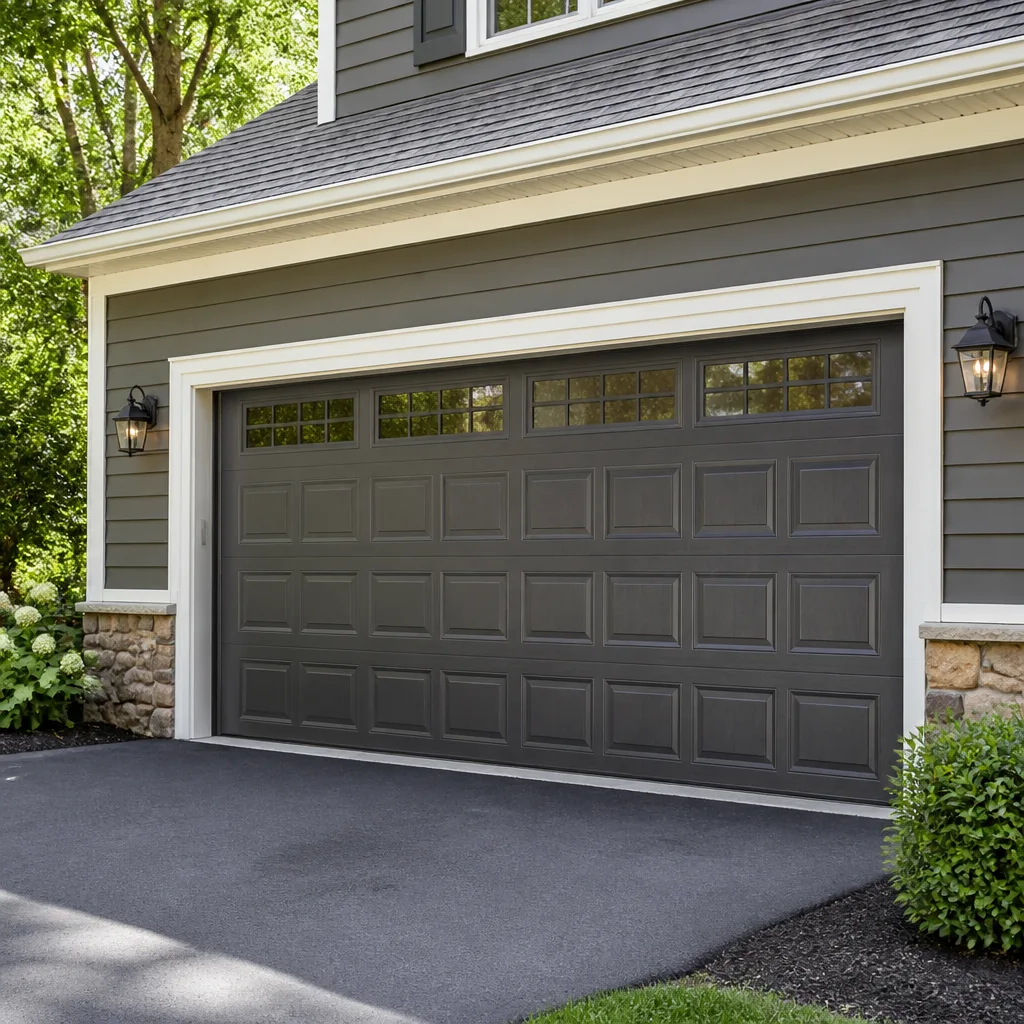 Raised-panel steel
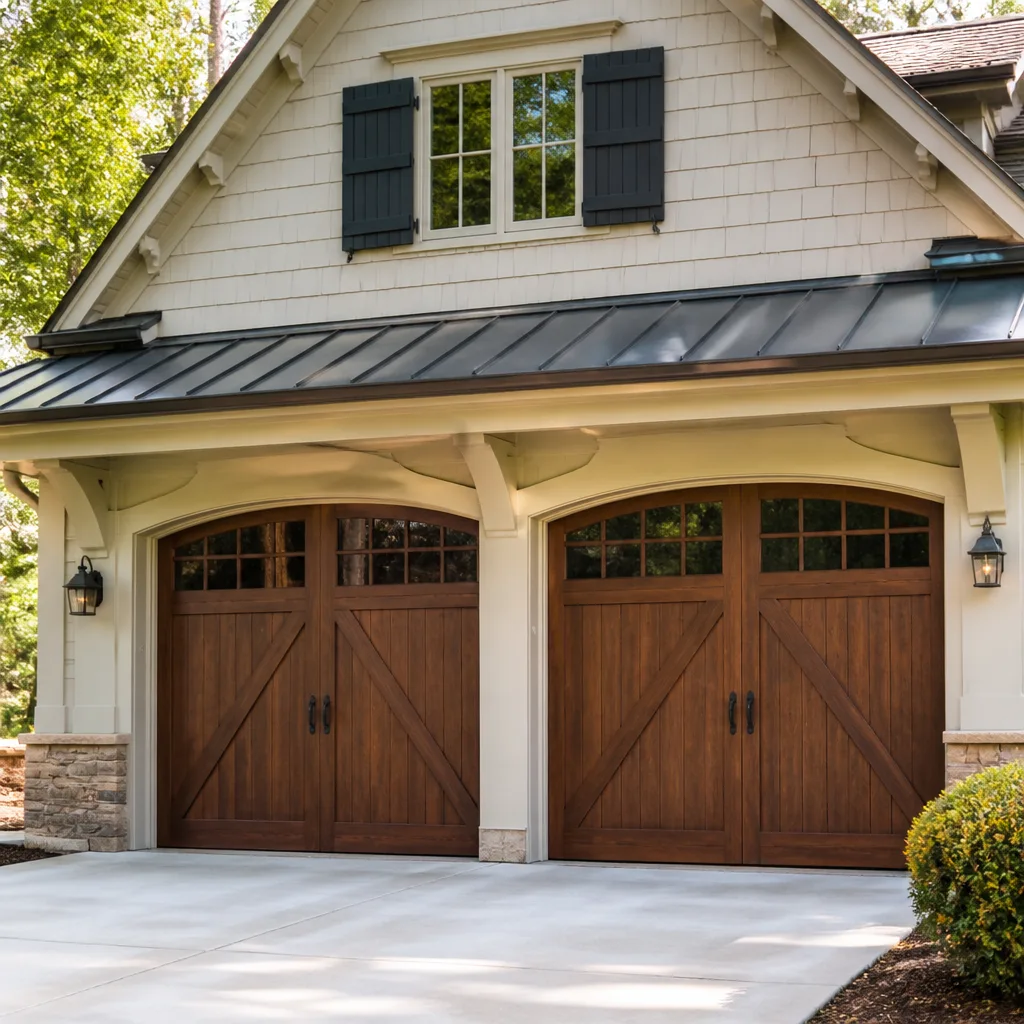 Carriage house
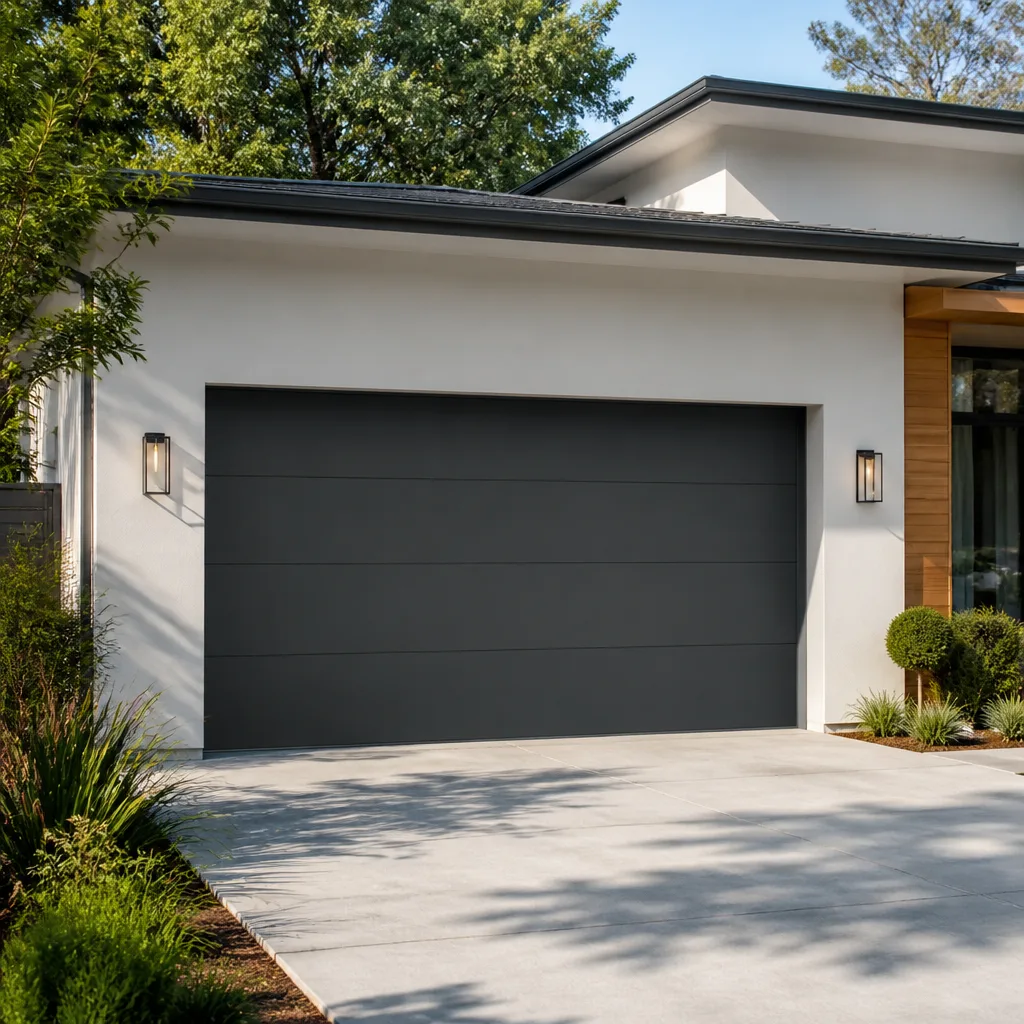 Modern flush
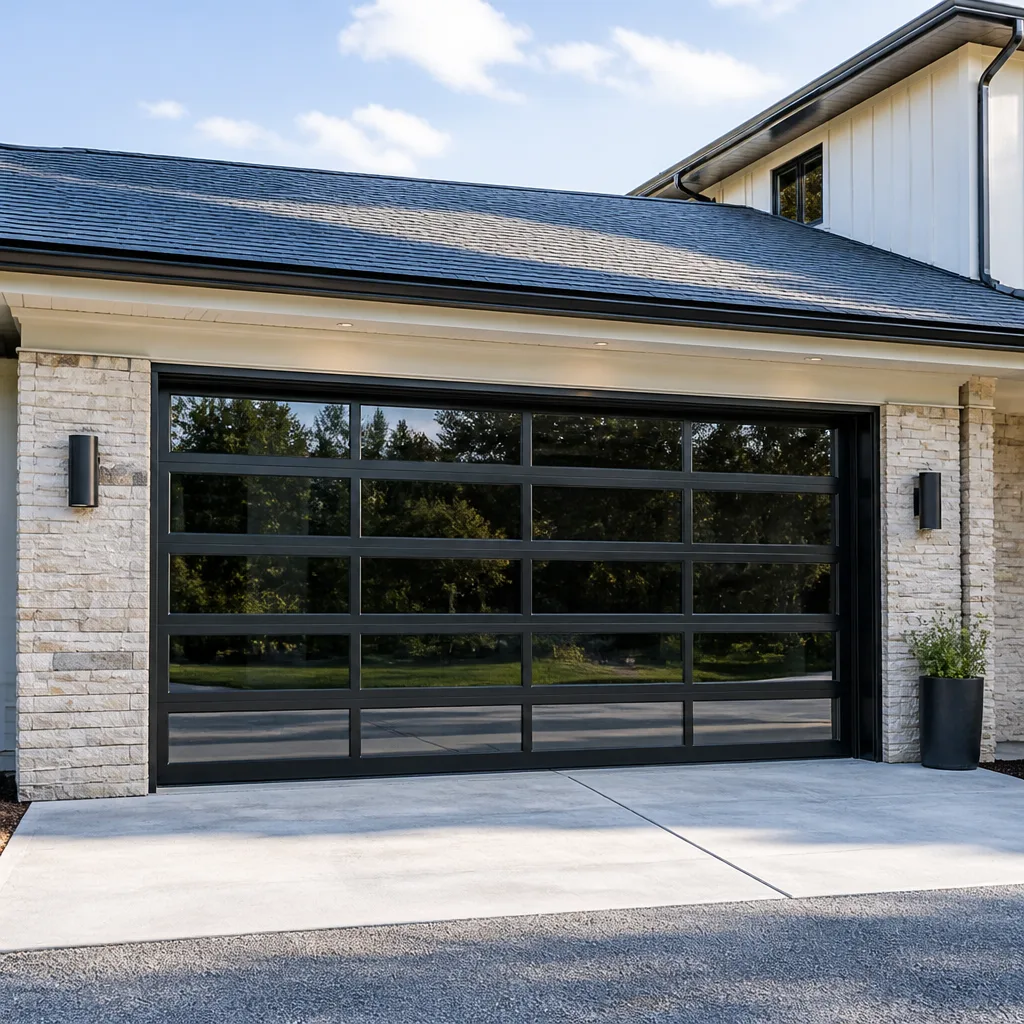 Full-view glass
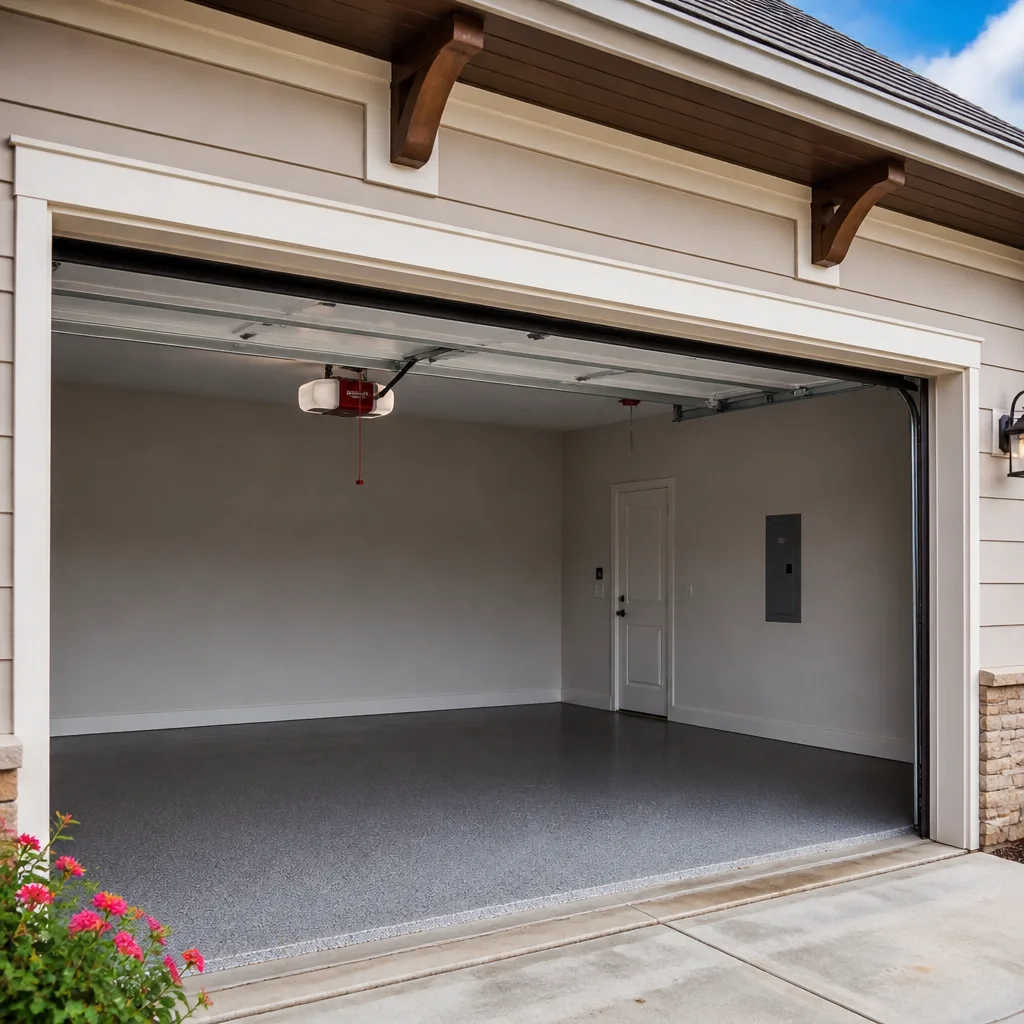 LiftMaster openers
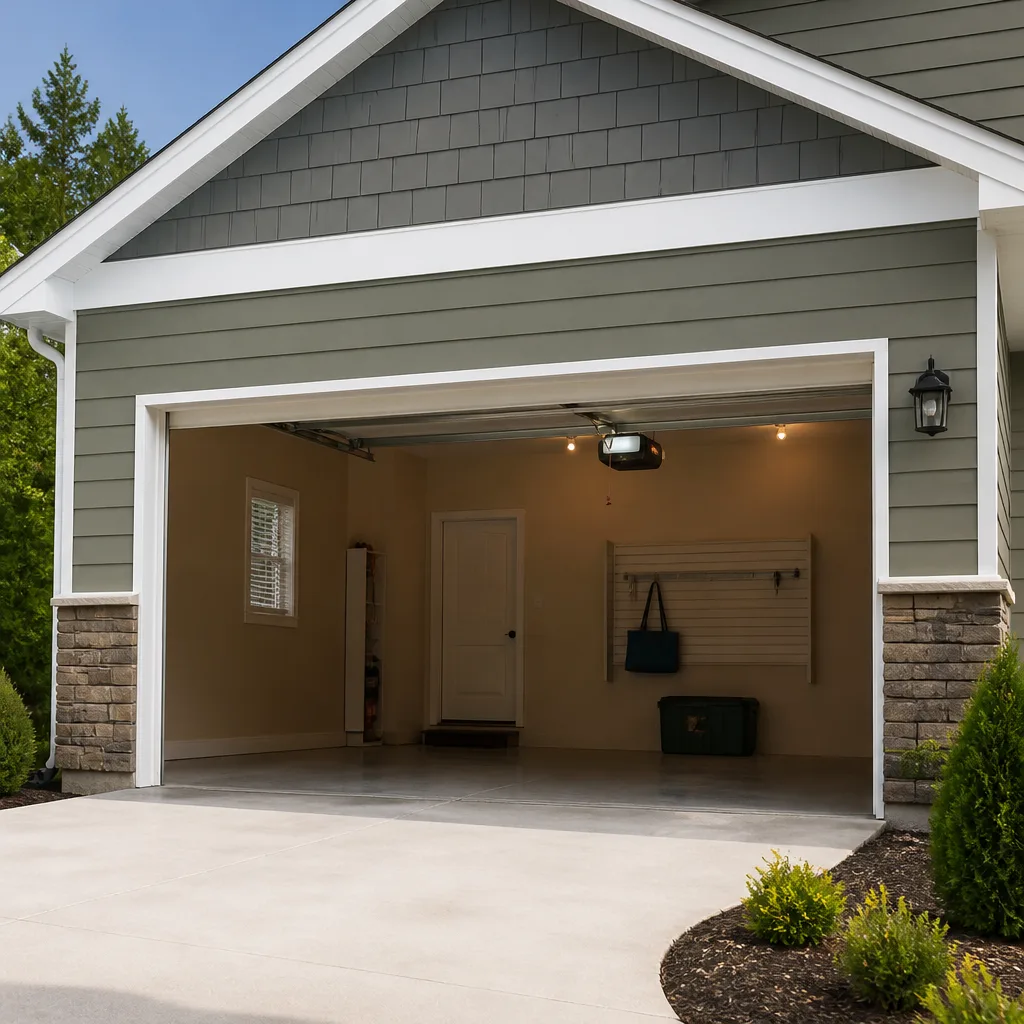 Chamberlain openers
Full 25-point door and opener safety check with every visit - springs, cables, rollers, tracks, and your LiftMaster or Chamberlain opener included
You get a price before we start. It does not change when the pro arrives.
Get your free estimateSeasonal Garage Door Care for Midland: Year-Round Homeowner’s Guide
The season that does the most damage to a garage door in Midland isn’t summer. It’s the weeks right after summer ends. All through the long hot stretch, steel track, hinges, rollers, and panels expand and settle into a position they hold for months. Then the first real cool morning arrives, everything contracts at once, and every bit of accumulated play in the hardware shows up in a single loud cycle. Most homeowners read that as sudden failure. It’s really a seasonal bill coming due. This guide walks through the four transition points that actually matter in Midland, what to check at each one, and how to fold all of it into a single annual service call.
Quick Answer
Seasonal garage door care in Midland works best when you match the maintenance calendar to West Texas weather rather than a standard four-season template. The high-value transitions are pre-summer (heat-rated lubricant and opener ventilation), post-summer (a hardware contraction inspection in early fall), winter readiness (seals, battery backup, and manual release), and spring dust cleanup after Permian Basin wind. Most homeowners get the most out of one structured annual visit that covers all four, plus a short monthly check they can do themselves.
Styles & brands we work with
- Raised-panel steel
- Carriage house
- Modern flush
- Full-view glass
- LiftMaster openers
- Chamberlain openers
Table of Contents
- Why Midland’s Seasons Don’t Follow the Standard Template
- Pre-Summer Prep: Lubricant Grade and Opener Ventilation
- The Post-Summer Contraction Check Every Midland Home Needs in October
- Winter Readiness for Midland’s Short, Sharp Freezes
- Spring Dust Season: What Permian Basin Wind Leaves Behind
- How to Structure One Annual Service Visit Around All Four Transitions
- The Monthly Five-Minute Check Homeowners Can Do Themselves
- Common Mistakes to Avoid
- When to Call a Professional
- Frequently Asked Questions
Why Midland’s Seasons Don’t Follow the Standard Template
Most garage door maintenance advice you’ll find online was written for a climate with four balanced seasons. Midland doesn’t run that schedule. What we actually get here is a long hot season that starts earlier and runs later than the calendar suggests, dry wind that moves fine particulate through the air for weeks at a time, occasional sharp cold snaps in winter, and severe spring storms that arrive with their own pressure swings and debris. A door that lives in that environment accumulates wear on a different rhythm than the generic advice assumes.
The practical consequence is that the highest-value maintenance moments in Midland are transitions, not seasons. The change from hot to cool is where hardware reveals accumulated looseness. The change from cool to hot is where lubricant choices start to fail. The change from calm to windy is where grit finds its way into every moving joint. If you service the door right at those edges, you catch problems while they’re still cheap adjustments instead of full component failures.
Housing here shapes this too. A large share of Midland homes have attached garages that face the full western sun, which means the door and the opener housing both sit in direct heat for hours. Homes with garages that face east or are shaded by a carport behave differently, and a door that gets afternoon shade can tolerate service intervals that a west-facing door can’t. When we look at a door in Midland, the first question is almost always which way it faces and how much sun it takes.
This is also why one generic tune-up once a year doesn’t tell you much. The right structure is a maintenance schedule with four defined checkpoints, and the discipline to actually hit them. The rest of this guide walks through each one.
Pre-Summer Prep: Lubricant Grade and Opener Ventilation
The biggest mistake homeowners in Midland make before summer is using the same lubricant year-round. Standard grease, and especially the heavy automotive grease people use because it seems more durable, loses viscosity as temperatures climb. Above 90°F it thins, migrates off the contact points it was meant to protect, and starts collecting grit instead of shedding it. On a garage door that means hinge pins run dry, rollers drag, and the opener has to work harder on every cycle.
The fix is to switch to a lubricant rated for high temperature before the hot season rather than after. A white lithium or silicone-based spray formulated for garage door hardware holds up far better in West Texas heat than general-purpose grease. That’s not a brand endorsement; it’s a chemistry point. You want a product that stays where you put it and doesn’t break down into a dust magnet.
Opener ventilation matters just as much, and it’s the piece most homeowners overlook. An opener motor housing mounted to a ceiling in an uninsulated garage can run significantly hotter than ambient air, and the control board and capacitor are the parts most sensitive to sustained heat. Two things help:
- Keep the opener housing clear of stored items. Boxes stacked against a ceiling-mounted opener trap heat and block airflow. Leave clearance around the motor and rail.
- Check for obstructions in the garage’s vent path. If the garage has a vent or roof vent, make sure it isn’t blocked by stored material.
- Watch for early heat-related symptoms. An opener that hesitates, reverses unexpectedly, or makes a louder-than-usual start in hot weather is often showing a heat-stressed capacitor or control board, not a mechanical fault.
Pre-summer is also the right time to test the safety reverse on the door and to look at the weather seal along the bottom. A seal that’s cracked going into summer will only get worse, and the summer sun accelerates the breakdown.
The Post-Summer Contraction Check Every Midland Home Needs in October
This is the single most important inspection point on the Midland calendar, and almost nobody does it. For months the door’s steel track, hinges, and panel stiffeners have been expanded and settled into position. The first cool mornings in October trigger contraction across all of that metal at once. Bolts that were snug in August are suddenly loose. Hinges that had a hair of clearance now have visible play. Rollers that tracked smoothly in the heat now sit differently in the track.
You can run this inspection yourself, and it takes about fifteen minutes. Work through it in order:
- Cycle the door once and listen. A door that ran quietly in August and now rattles or pops has bearings or hinges that lost preload in the contraction.
- Look at the track at the top and bottom curves. Any looseness in the track brackets is most visible after contraction.
- Check hinge bolts and the roller brackets by hand. You’re not torqueing anything. You’re feeling for movement that shouldn’t be there. Snug means snug, not cranked down.
- Look at the header bracket and opener arm connection. This is where post-summer play tends to concentrate, and where a loose fastener can turn into a bent opener arm.
- Watch the panel alignment from inside the garage as the door opens. If a panel pulls away from the section next to it, the contraction has revealed a hinge or stile issue.
If anything looks wrong at this stage, it’s usually a reassembly and adjustment job rather than a replacement. Catching it in October means you’re going into winter with hardware that’s tight, before the cold snaps add another round of contraction. Miss it, and the door often fails in the middle of the first real cold week, when you want it to work most.
This check also pairs well with a quick look at the door’s balance. Disconnect the opener and lift the door halfway by hand. It should stay where you put it. If it drifts down, the spring tension is off and needs adjustment before the cold weather arrives.
Winter Readiness for Midland’s Short, Sharp Freezes
Midland’s winters are mild by national standards, but the cold snaps that do arrive can be sharp and arrive quickly. The problems we see most in winter aren’t from the cold itself. They’re from hardware that was already marginal and then gets stressed by the sudden change. Winter readiness is really about making sure everything is in decent shape before the first hard freeze.
Start with the door seal. The bottom weather seal is the first line of defense against wind-driven cold and grit, and a seal that’s cracked or compressed will let both in. Look at it from inside the garage with the door closed. If you can see daylight under it, or if the seal has lost its flexibility, it needs replacing. Side and top seals matter too, especially on doors facing the prevailing wind.
Battery backup is the next item, and it’s where a lot of homeowners get caught. Modern openers from LiftMaster, Chamberlain, Genie, and similar platforms use a backup battery that lets the door run during a power outage. A battery that’s been sitting for two years without a test may not hold a charge when a winter outage hits. Check it before cold weather arrives, and replace it if it isn’t holding. If your opener doesn’t have battery backup, that’s worth knowing before an outage rather than during one.
Finally, test the manual release. With the door closed and the opener disengaged, you should be able to raise the door by hand, and the emergency release cord should pull cleanly. If it’s stiff or the trolley doesn’t detach, that’s a problem to fix in October, not when you need to open the door manually during an outage. If your opener is a legacy unit, like an older Craftsman, the manual release mechanism can be harder to operate if it hasn’t been exercised. That’s a maintenance item, not a sign that the opener needs replacing.
One more winter item worth noting: if your door faces a direction that gets direct wind, check the panel hinge screws going into winter. Cold does not loosen them. The heat-to-cold contraction does. The post-summer inspection above is the best place to catch it, but a quick look before the first freeze is worthwhile.
Spring Dust Season: What Permian Basin Wind Leaves Behind
Spring in Midland means wind, and wind in this part of Texas means fine particulate that finds its way into places you didn’t know it could reach. The dust that settles into the moving joints of a garage door is often alkaline and slightly abrasive, which makes it more damaging than ordinary household dust. It doesn’t just sit there. It works its way into hinge pins, roller bearings, and the track itself, and it grinds away at surfaces that would otherwise last much longer.
The spring protocol is about clearing that grit out before it does damage, then relubricating. Work through this in order:
- Blow out the track channels. A shop vacuum or a compressed air pass removes the settled grit. Do this with the door closed and work from the bottom up.
- Wipe down the hinge pins and roller stems. A dry cloth is enough. You’re removing surface contamination, not polishing the parts.
- Clean the opener’s rail and chain or belt. Dust accumulates in the channel and on the moving parts. A dry cloth pass is usually sufficient. Don’t spray lubricant into a dusty rail; clean first, then lubricate.
- Relubricate every moving joint with a product rated for your climate. Hinges, roller stems, and the torsion springs (if accessible without touching them) get a light coating. Rollers on sealed bearings may only need the stem, not the bearing itself.
- Test the safety reverse and the photo-eye sensors. Dust on the sensor lenses is a common cause of an opener that won’t close. Wipe the lenses clean and confirm the door reverses when the beam is interrupted.
The spring cleanup isn’t about cosmetics. A door that gets cleaned and relubricated after the worst of the dust runs quieter through the summer, and the parts last longer. Doing it once, after the worst of the wind, is usually enough. Doing it after every wind event is overkill unless your garage sits in an exposed location.
How to Structure One Annual Service Visit Around All Four Transitions
You don’t need four separate calls a year. What most Midland homeowners actually need is one well-structured annual service visit that hits the four checkpoints, timed so the biggest items land before the transition where they matter most. Here’s how we’d structure it, and what a competent technician will work through on that visit.
The annual visit should be timed for early October, after the worst of summer heat but before the first cold snap. That way the contraction inspection and the winter prep get done in one pass, and the pre-summer items from the following spring get handled toward the end of the same visit as pre-emptive checks. In practice that means one visit that covers:
- A full hardware inspection: hinges, rollers, track brackets, header bracket, and opener arm connection. Every fastener that can loosen gets checked and snugged where needed.
- A spring and cable inspection from a safe distance, which is how any competent technician handles them anyway. We check the springs and cables for wear, but we don’t touch them. Torsion springs and the cables that run alongside them are under extreme tension at all times. A spring or cable failure releases stored energy that has seriously injured homeowners who tried to adjust them, and poor technique with a winding bar or cable can be worse than doing nothing.
- A balance test with the door disconnected from the opener, to confirm the spring tension is right going into winter.
- A seal and weather-strip look, both bottom and sides, with recommendations for anything marginal.
- An opener check covering the safety reverse, the photo-eye sensors, the force adjustment, and the battery backup. This is where our garage door opener repair work usually starts, because the same visit that catches a weak opener component also catches the door hardware issues that cause many opener failures.
- A spring cleanup and relubrication pass, timed so the tracking and hardware are clean going into the windy months.
That structure works because each item is done at the right moment in the year. You get the value of four seasonal checks without four visits, and the technician sees the door at a point where issues from two seasons’ worth of wear are visible at once. We service the whole range of opener and door systems, so this annual visit works whether your door is on a recent LiftMaster or a well-maintained older Genie, and whether it’s a Clopay panel or a Raynor door that’s been on the house a while.
If a visit like that turns up a problem, the standard garage door repair next step is an adjustment or a component replacement, not a whole-door replacement. The point of doing this annually is to keep the door on the adjustment-and-replacement-of-parts schedule rather than the replace-the-whole-door schedule. That’s the whole economic case for seasonal care.
The Monthly Five-Minute Check Homeowners Can Do Themselves
Between the annual service visit, a short monthly check keeps small issues from becoming large ones. None of it requires tools, and none of it puts you anywhere near the springs or cables.
- Cycle the door and listen. New noises are information. A rattle, a squeak, a pop in the same spot each time is an early warning of a loose fastener or a dry hinge.
- Look at the bottom seal. From inside, with the door closed, check for daylight or a visibly compressed seal. This is the one place where a small problem becomes a big one quickly, because a bad seal lets grit and moisture into the garage.
- Test the safety reverse. Put a piece of wood or a box in the door’s path and confirm it reverses. Do this once a month.
- Wipe the photo-eye lenses. A clean lens avoids most “won’t close” service calls.
- Look at the opener’s behavior. Hesitation, reversing, or a louder start is worth noting before it turns into a failure.
What you don’t do yourself: adjust springs or cables, force the door into position when it binds, or keep running the opener when a mechanical problem is obvious. Those are the cases that turn a small repair into a serious hazard.
Common Mistakes to Avoid
- Using the same lubricant all year. Standard grease thins above 90°F and stops protecting hinge pins and rollers. Switch to a high-temperature lubricant before summer, and clean the joints before you reapply.
- Skipping the October contraction check. This is the single highest-value inspection on the Midland calendar. If you only do one thing a year, do this one.
- Confusing “the door runs” with “the door is fine.” A door that opens and closes is not the same as a door with correct spring tension and tight hardware. The monthly listen is a check for change, not a certification.
- Leaving dead batteries in backup systems. A backup battery that hasn’t been tested in two years may not run the door during a winter outage. Test it before cold weather, not after.
- Ignoring post-storm dust in the opener rail. The grit that accumulates in the chain or belt channel during wind season shortens the life of the opener drive. Clean and relubricate after the worst of it.
- Trying to adjust springs or cables yourself. Torsion springs and cables hold serious stored energy. Adjustment is a job for a trained technician with the right tools, and the wrong technique can cause serious injury.
- Letting a small seal problem run through summer. A cracked bottom seal admits more dust and moisture, and it gets worse faster in the heat. Replace it in spring rather than fall.
When to Call a Professional
Call a professional if your door makes a new noise that doesn’t go away after a clean and lubricate, if the door drifts down when you lift it halfway by hand with the opener disconnected, or if a panel pulls away from its neighbor. Call if the opener hesitates, reverses unexpectedly, or won’t close and a clean photo-eye lens doesn’t fix it. Don’t handle spring or cable adjustments yourself, even if the door still opens. And if it’s been more than a year since the door was inspected, that October visit is worth scheduling before the cold arrives.
Nautilus Garage Door Repair is a dedicated garage door specialist, not a general handyman service, so the same technician who inspects your hardware also knows your opener system. We work on LiftMaster, Chamberlain, Genie, Clopay, Amarr, Wayne Dalton, Craftsman, and Raynor products, and our technicians have up to 9 years of experience. If you’re in Midland and want the seasonal visit run properly, we offer free estimates. Call (844) 904-1321 and we’ll schedule it. We answer 24/7, and fast dispatch from 7am to 7pm runs Sunday through Friday.
Frequently Asked Questions
Once a year is the right interval for most homes here, timed for early fall so the contraction inspection and the winter prep land in the same visit. Doors that face the full western sun, or that take heavy use, sometimes benefit from a second check in early summer for the lubricant and opener. The monthly self-check fills the gap between visits.
The post-summer contraction inspection in October is the one to prioritize. It’s the check that catches loose hinges and brackets after months of heat expansion, before the cold snaps add a second round of movement. Missing it is the most common reason a Midland door fails in the first cold week of winter.
Both, but the opener is the more heat-sensitive part. The motor is one thing; the control board and the capacitor are the parts that degrade with sustained heat, and an uninsulated garage facing the western sun gets hot enough to matter. Keeping the opener housing clear of stored boxes and checking for heat-related symptoms before summer avoids most of the failures we see.
Yes, for the moving joints that are reachable from the floor: hinge pins, roller stems, and the opener rail. Clean first, then apply a high-temperature lubricant. What you shouldn’t touch are the springs and cables, which are under extreme tension and can cause serious injury if adjusted incorrectly. That work should go to a trained technician.
Clean the track channels and the opener rail, wipe down the hinge pins, and relubricate. Also clean the photo-eye lenses, since a dust-covered lens is a common cause of an opener that won’t close. If the door starts rattling or a panel has shifted after a storm, call a professional rather than force it.
Yes, and that’s how we’d recommend structuring it. One visit in early fall covers the post-summer inspection, the winter prep, the balance test, and the spring-cleanup pass, with the opener check folded in. We also handle the repair work that comes out of the inspection, whether that’s a hinge replacement or opener service. For a free estimate on that seasonal visit, call (844) 904-1321. Estimates are free, and the price is quoted and agreed before any work starts.
The Bottom Line
Midland’s seasons don’t match the standard four-part template, and garage door care here works best when it doesn’t either. The four transitions to plan around are pre-summer (lubricant grade and opener ventilation), post-summer (the October contraction inspection), winter readiness (seals, backup battery, manual release), and spring (dust cleanup and relubrication). One annual service visit in early fall hits the highest-value items, and a five-minute monthly check fills the gaps. If you want the seasonal visit run properly on your door, we’re here for it.
Call Nautilus Garage Door Repair at (844) 904-1321 for a free estimate. We answer 24/7, with fast dispatch from 7am to 7pm, Sunday through Friday. Our technicians have up to 9 years of experience working on LiftMaster, Chamberlain, Genie, Clopay, Amarr, Wayne Dalton, Craftsman, and Raynor systems. Whether it’s a single hinge or a full Nautilus Garage Door Repair installation consult, the same team handles it, and the price is quoted in writing before any work starts.
Written by the team at Nautilus Garage Door Repair.
See the difference
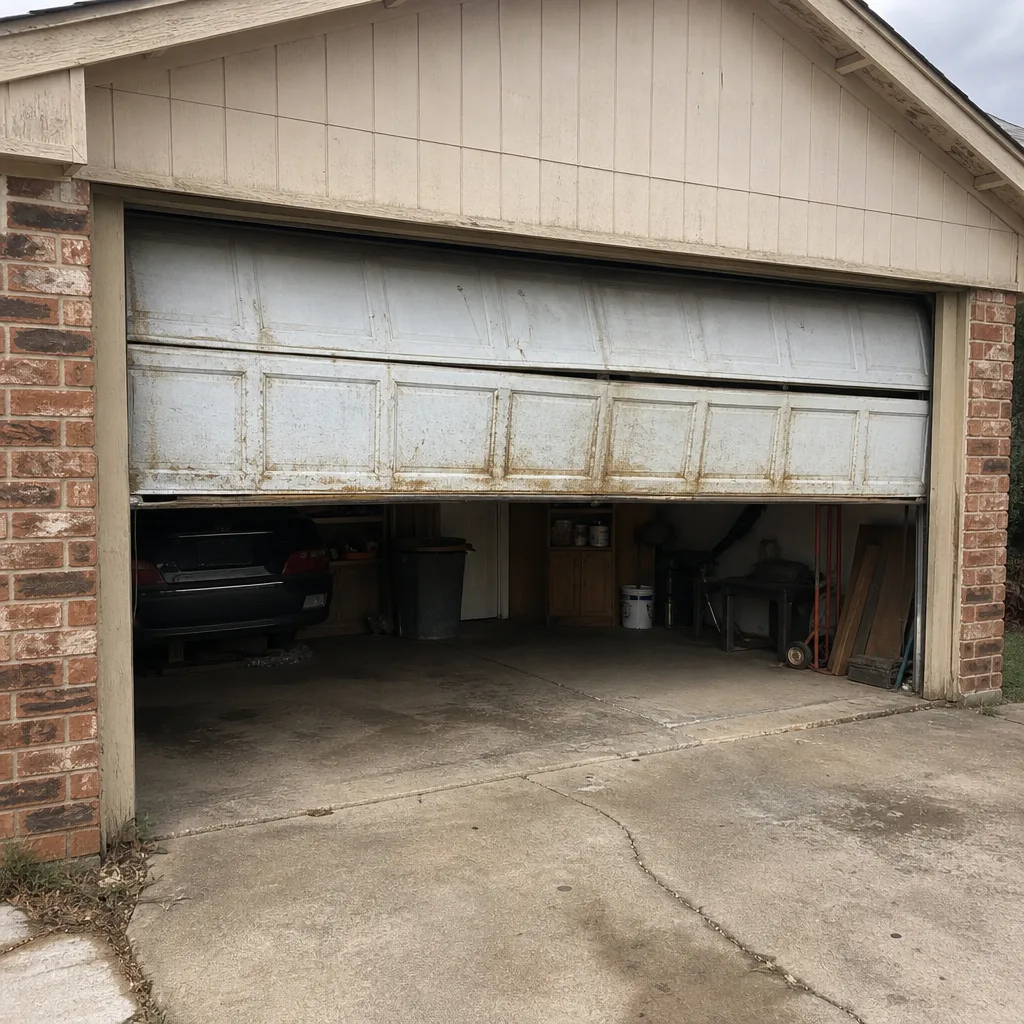 Before
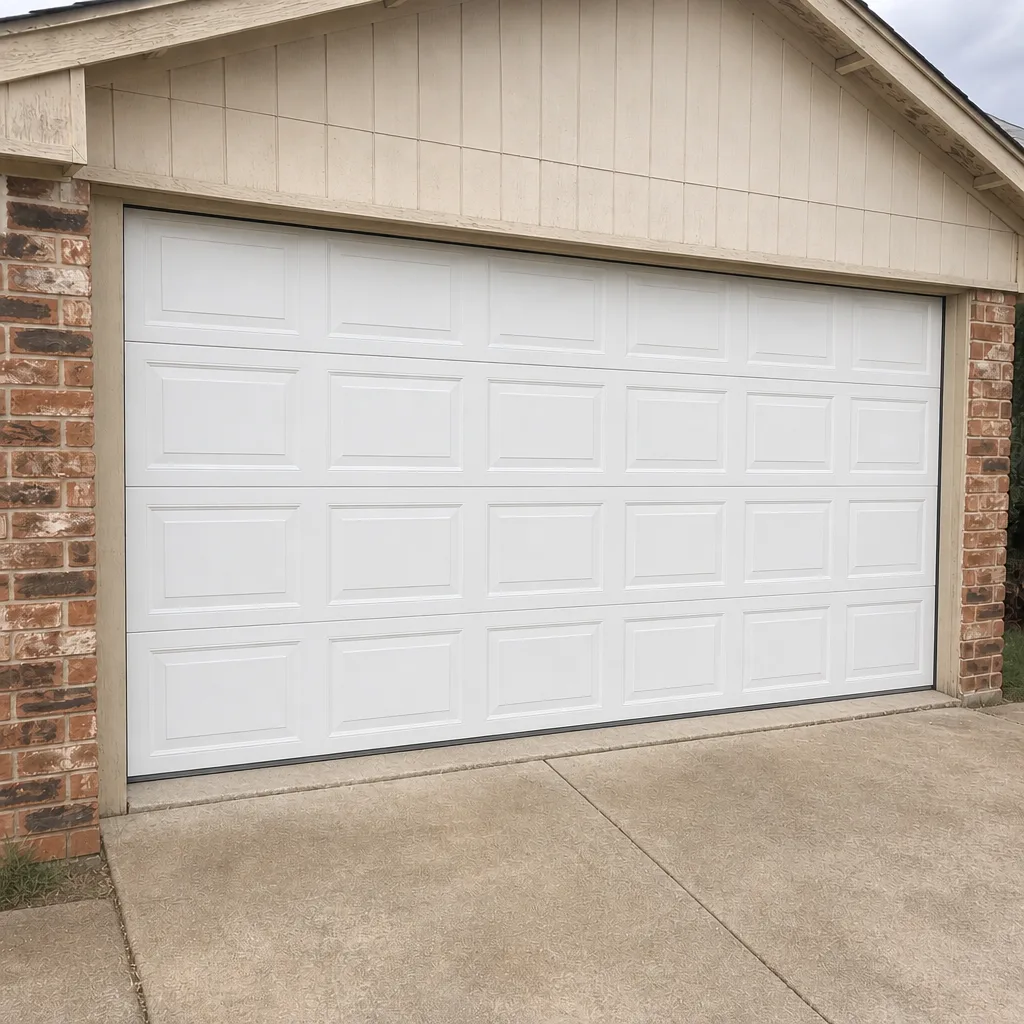 After
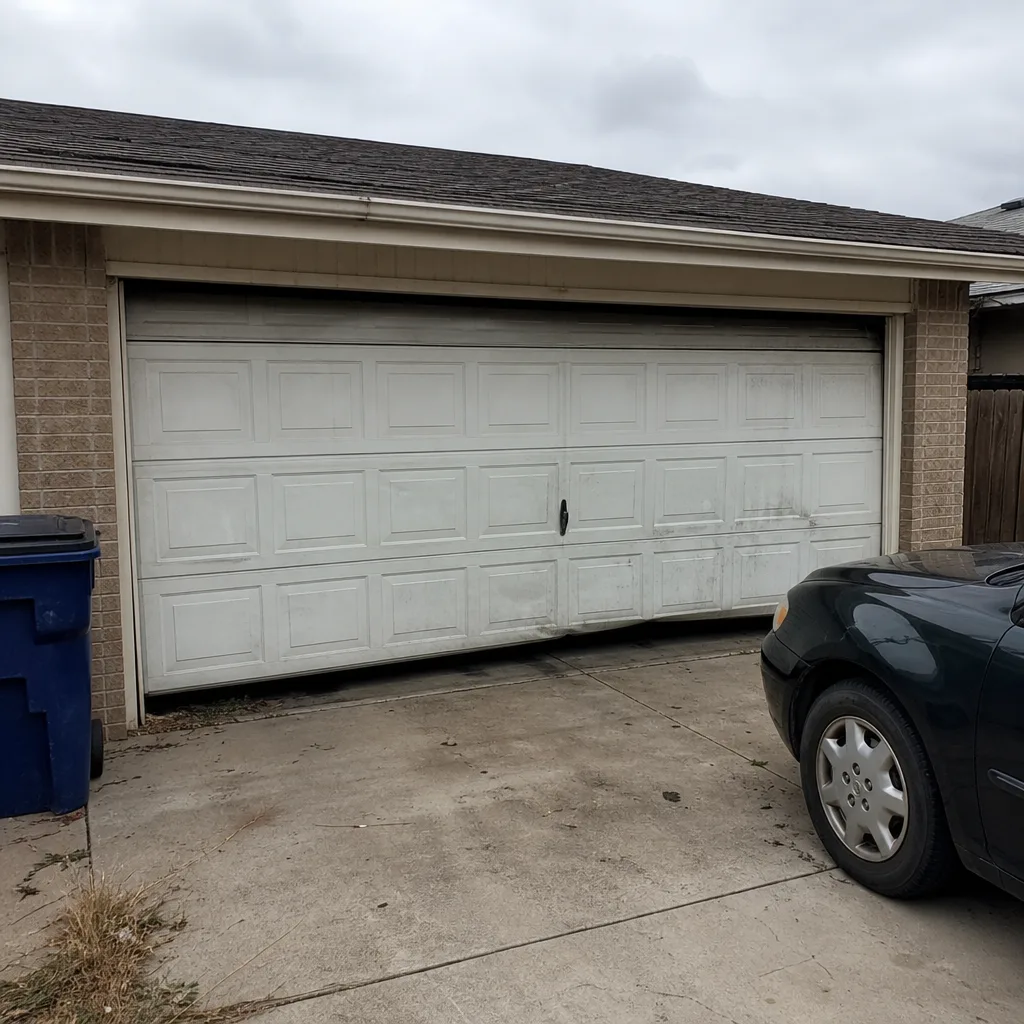 Before
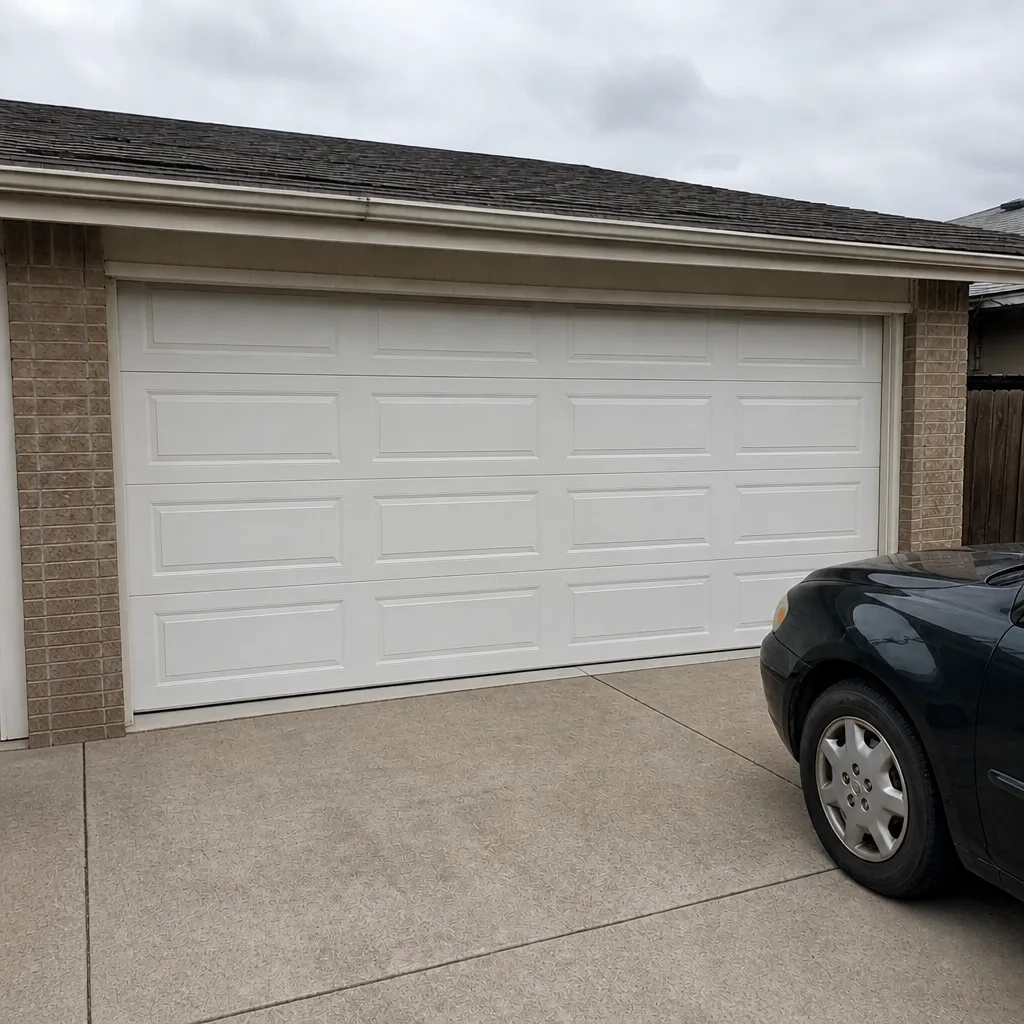 After
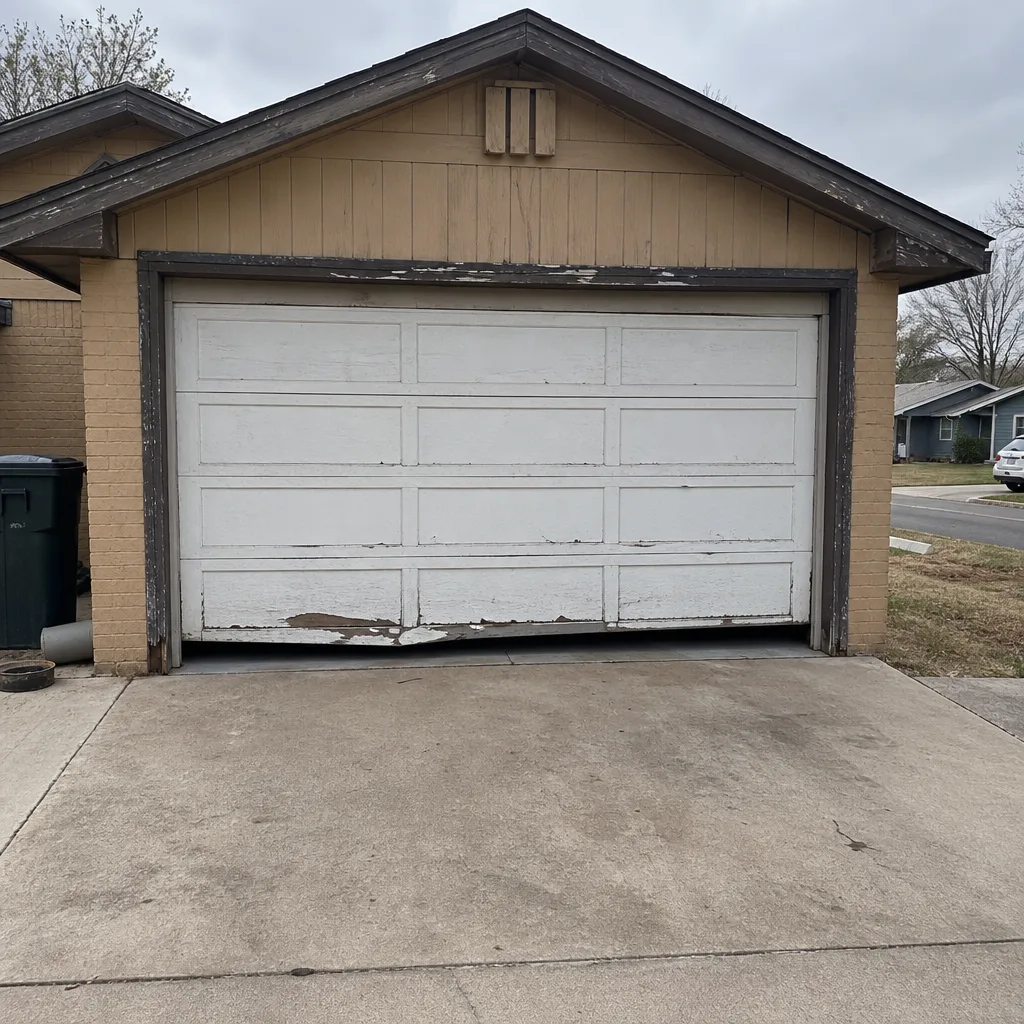 Before
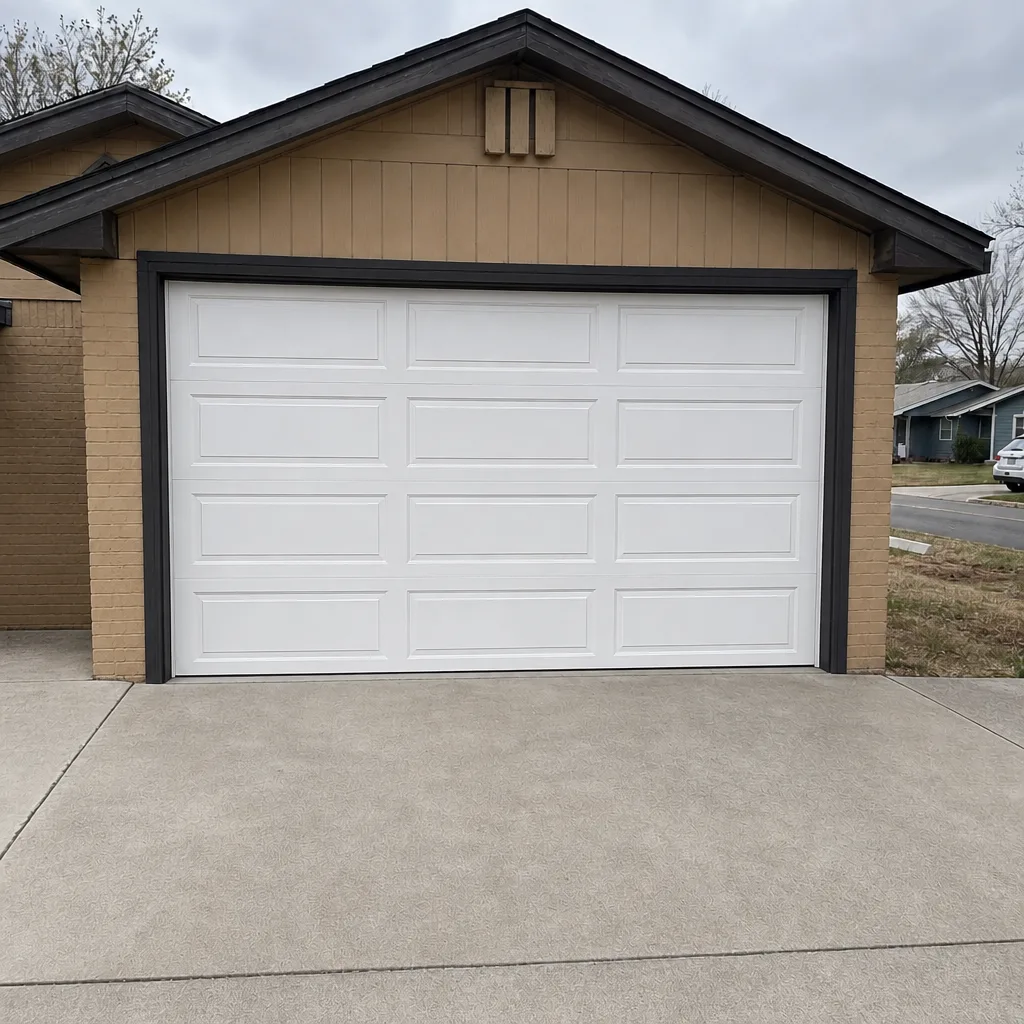 After