
Last updated November 14, 2026
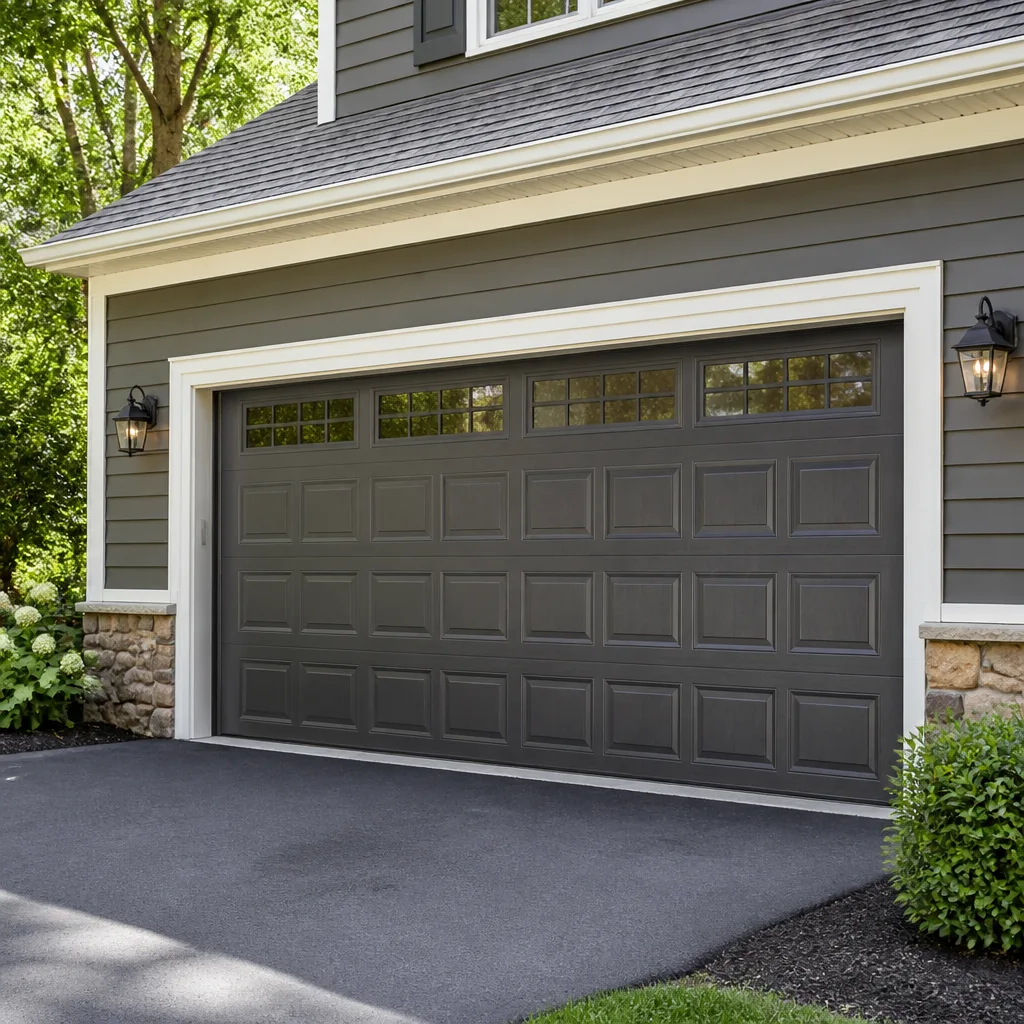 Raised-panel steel
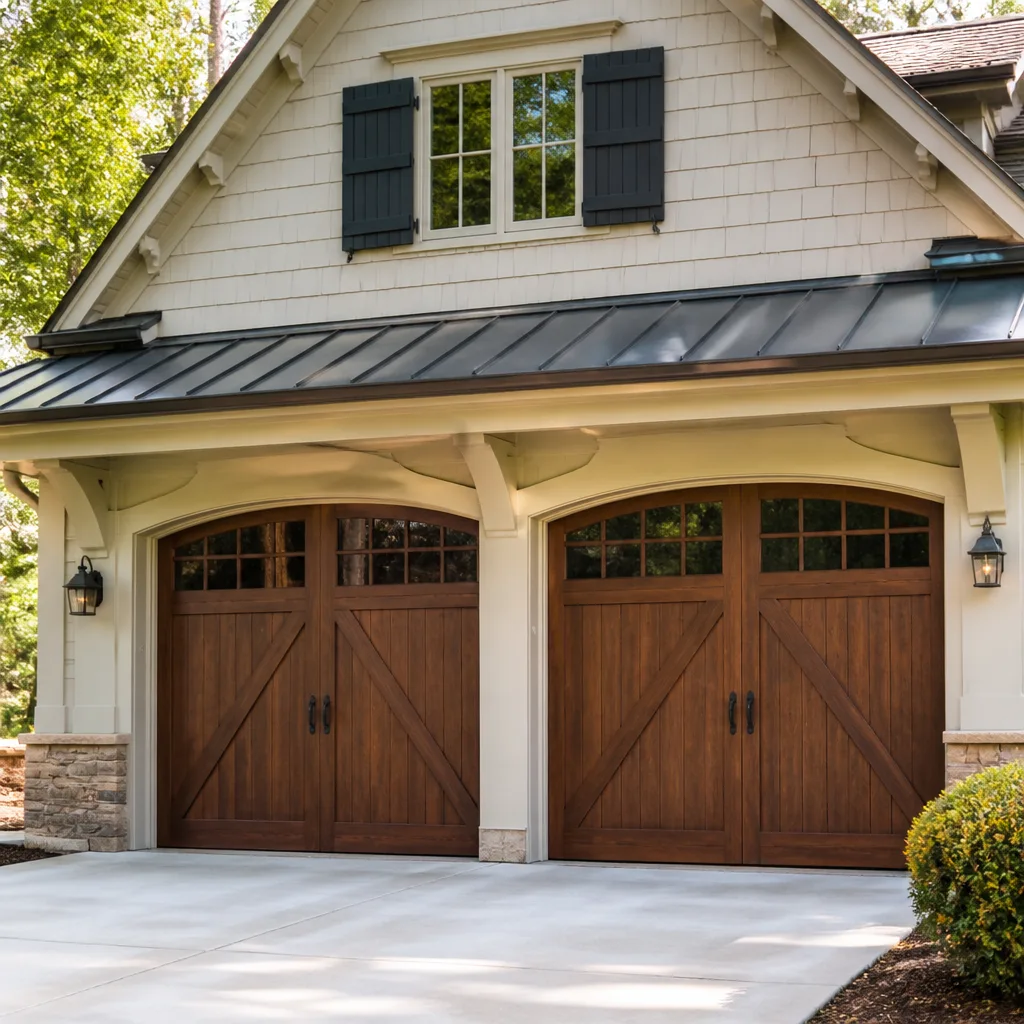 Carriage house
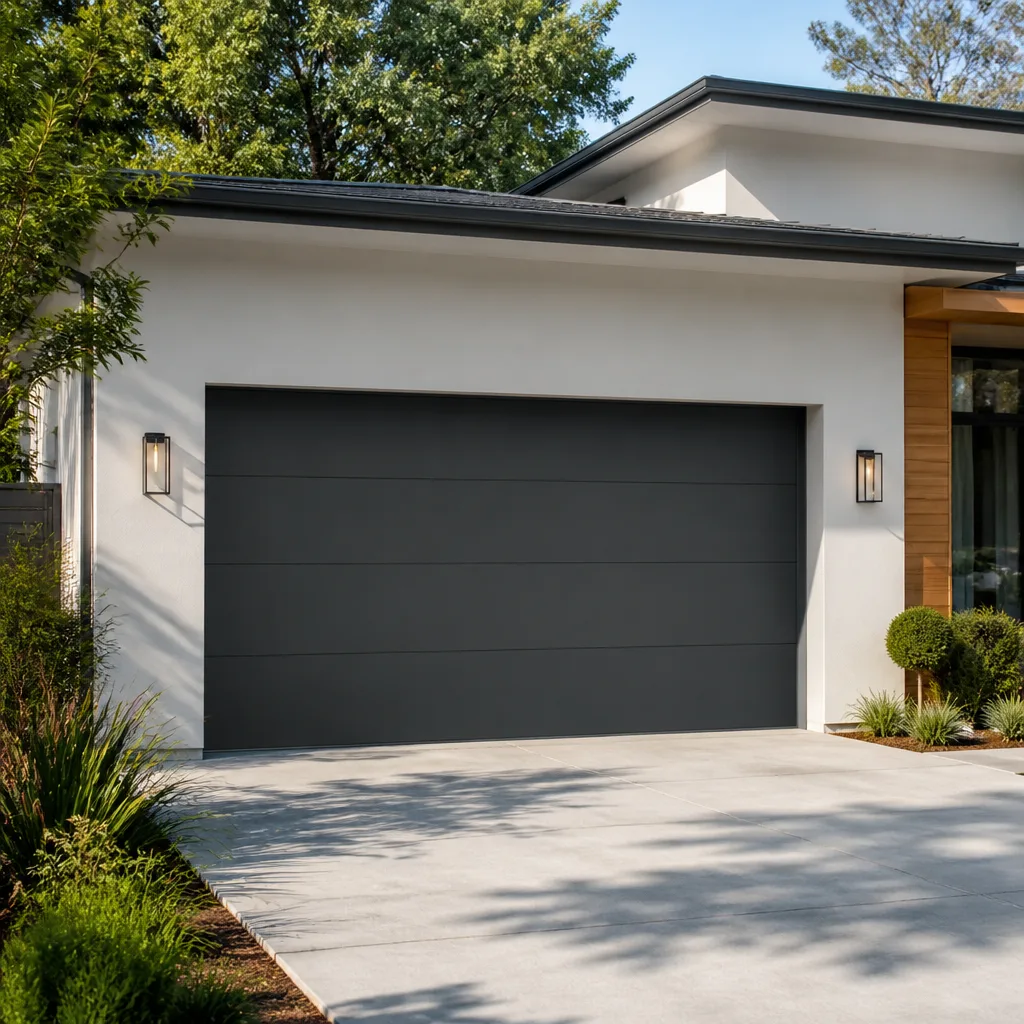 Modern flush
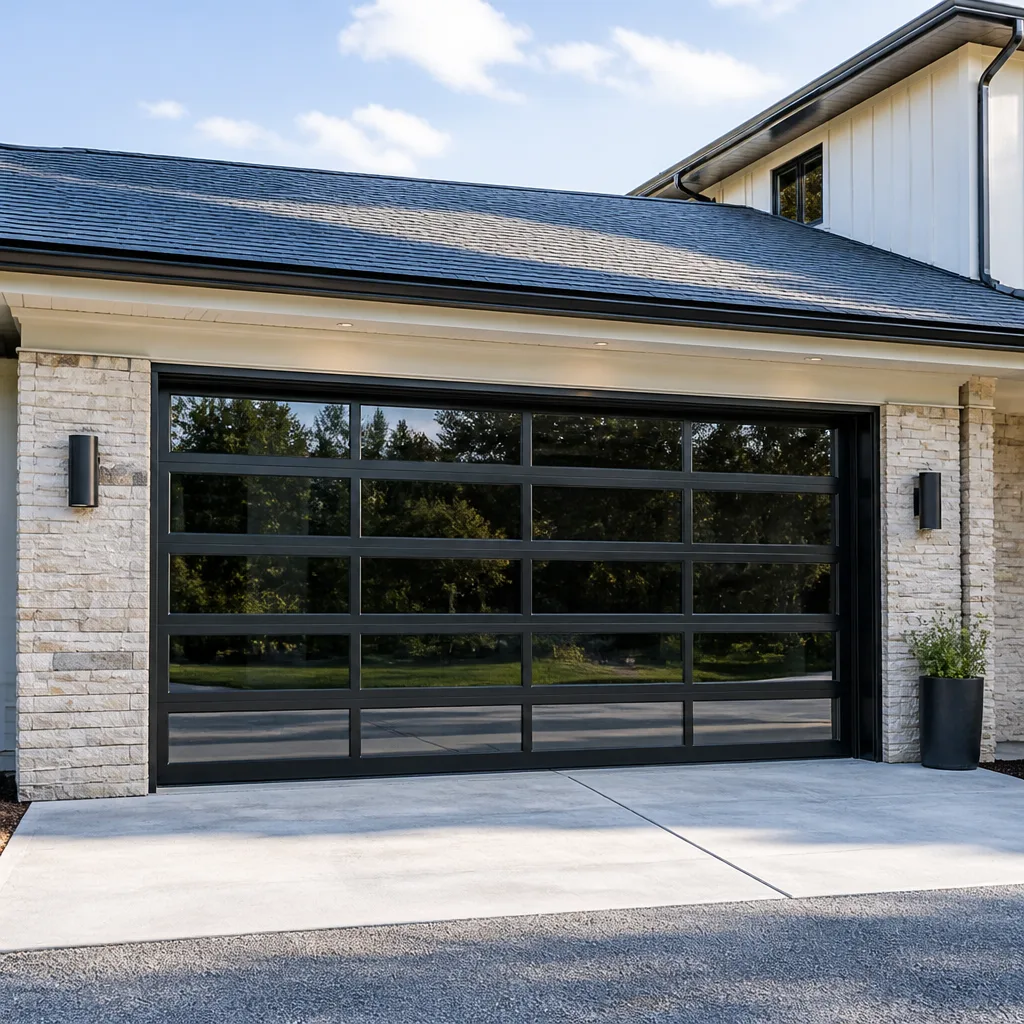 Full-view glass
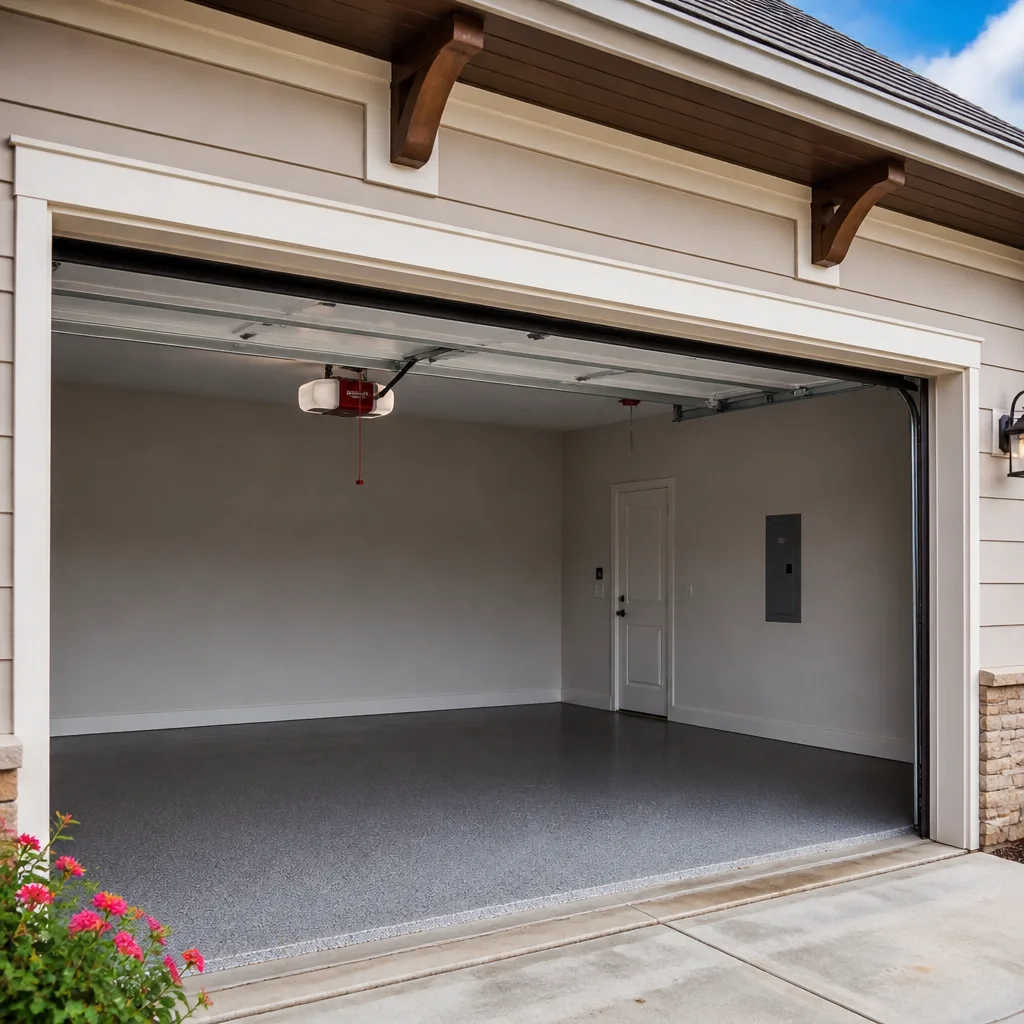 LiftMaster openers
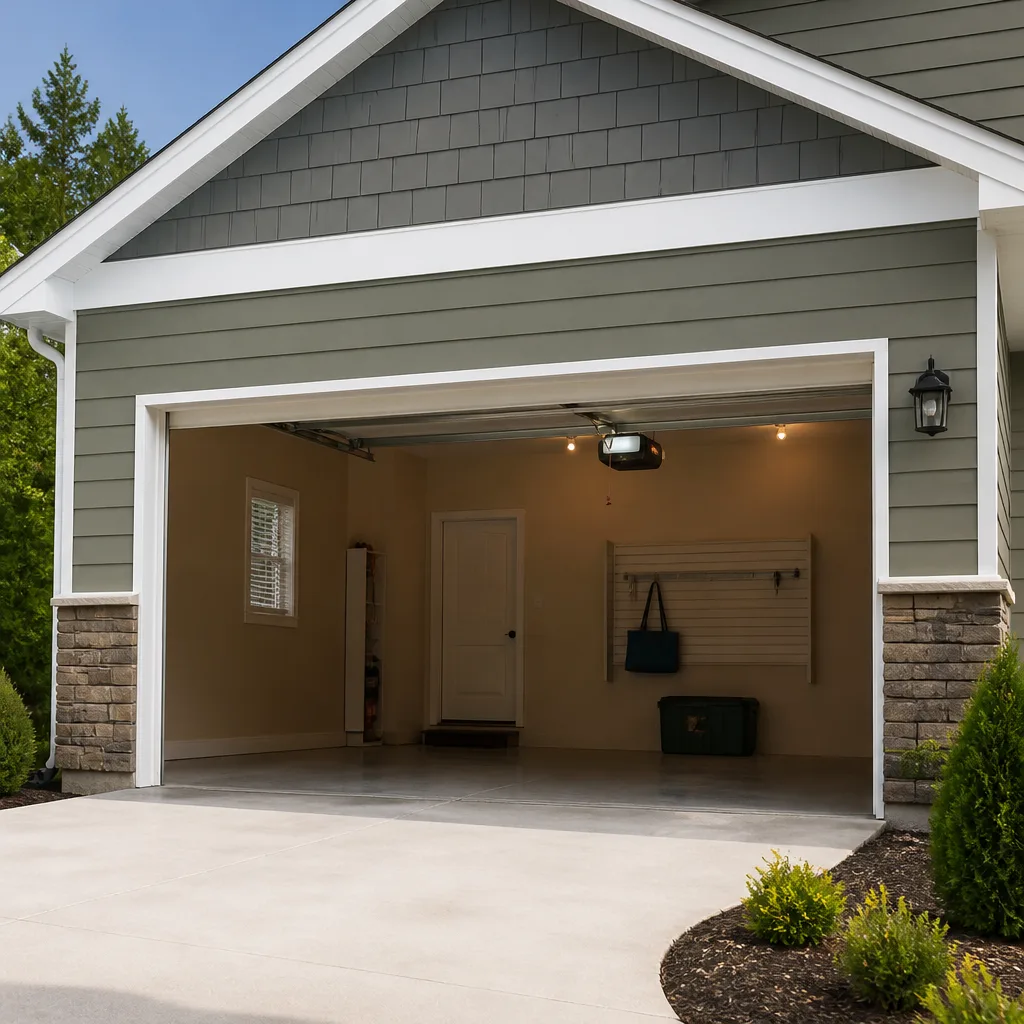 Chamberlain openers
Full 25-point door and opener safety check with every visit - springs, cables, rollers, tracks, and your LiftMaster or Chamberlain opener included
You get a price before we start. It does not change when the pro arrives.
Get your free estimateGarage Door Warning Signs: A Midland Homeowner’s Reference Guide
A grinding noise on the first door cycle of the morning that fades after two or three operations isn’t random. It’s thermal contraction telling you which component is undersized for the overnight temperature drop. Most garage door symptom guides skip that part. They list noises and shakes and leave you to guess what each one means. But the same symptom points to different causes depending on the season, which is why a door that runs slow in July is almost certainly fighting heat, while the same slowness in December points somewhere else entirely. Context turns an observation into a diagnosis. This guide walks through the warning signs Midland homeowners actually see, how to read them against the local climate, and what to log before calling anyone.
Quick Answer
The most reliable garage door warning signs are grinding or scraping that worsens over time, a door that reverses immediately after touching the floor, sluggish movement in summer heat, visible gaps in the panel line, and a door that balances fine by hand but struggles on the opener. In Midland’s dry, hot climate, heat-related sluggishness and dust infiltration account for a large share of false alarms, so matching the symptom to the season and the door’s mechanical state matters more than the symptom alone.
Styles & brands we work with
- Raised-panel steel
- Carriage house
- Modern flush
- Full-view glass
- LiftMaster openers
- Chamberlain openers
Table of Contents
- Why Season Changes the Meaning of a Symptom in Midland
- Heat Sluggishness vs. a Failing Motor
- Dust Infiltration vs. Metal-on-Metal Wear
- Reversal Behavior: Sensor Alignment vs. Spring Tension
- Why a Door That Works by Hand but Struggles on the Opener Is a Balance Issue
- How to Log Symptoms Before You Call
- Visual Warning Signs Most Homeowners Miss
- Opener-Specific Warnings: LiftMaster, Chamberlain, Genie, and Legacy Systems
Why Season Changes the Meaning of a Symptom in Midland
A garage door is a mechanical system with dozens of parts moving against each other in a space that is only partially climate-controlled. That part matters more in Midland than in most places. Summers here push the inside of a garage well above the outside air temperature, and overnight drops in the cooler months are sharp enough to shrink metal noticeably. A symptom that shows up in July and a symptom that shows up in December are not the same problem just because they look the same to you.
Here’s how to think about it:
- Summer symptoms point to heat and expansion. A door that drags, hesitates, or reverses more often in July is usually reacting to a component that has swollen, stiffened lubricant, or a motor working harder against a slightly out-of-balance door.
- Cooler-season symptoms point to contraction and stiffness. A grinding or squealing on the first few cycles of the morning that disappears is a thermal signature. Something is tight, dry, or worn and only announces itself when the metal shrinks.
- Dust is a year-round factor in Midland. Windblown grit works its way into tracks, rollers, and hinges. That shows up as noise and drag, but it’s not the same as worn metal.
We’ve seen Midland homeowners replace perfectly serviceable openers because a summer symptom was misread. From a single spring to a full installation, a trained diagnostic pass costs far less than guessing. When a symptom points clearly to the door itself, our garage door repair service covers the mechanical side, and opener symptoms are handled separately so the diagnosis stays clean.
Heat Sluggishness vs. a Failing Motor
A door that moves slower in August is usually not a failing motor. It’s a door that’s harder to lift than it was in March, and the motor is telling you so. That distinction is the single biggest cost driver in this trade, because a balance adjustment or a lubrication pass costs a fraction of what a motor replacement does. Get the diagnosis wrong and you pay for an opener you didn’t need.
Here’s how to tell them apart:
- Test the door by hand. Disconnect the opener using the manual release (the pull cord or handle hanging from the rail). Lift the door halfway and let go. A properly balanced door stays roughly where you left it. A door that drops, sags, or is hard to lift is out of balance. That’s a door problem, not a motor problem.
- Listen to the motor under load. A healthy motor sounds the same whether the door is light or heavy, aside from a bit more effort. A motor that hums, strains, or clicks before moving is showing genuine strain. A motor that runs clean but can’t lift the door is telling you the door is the issue.
- Check the age and type of the opener. Smart-home-integrated units from LiftMaster, Chamberlain, and Genie have load-sensing and safety features that will reverse or stop if the door resists. Legacy Craftsman systems are more blunt about it – they either lift or they don’t.
- Note whether the symptom is worse in the hottest part of the day. If a door runs fine in the morning and drags at 2pm, that’s thermal expansion in the door or the track, not the motor.
In our experience across Midland, the summer sluggishness call almost always ends with a balance and lubrication job rather than a new opener. Our technicians have up to 9 years of experience reading exactly this distinction. If you want the opener itself checked on its own terms, our garage door opener repair service handles that separately from the mechanical door.
Dust Infiltration vs. Metal-on-Metal Wear
Midland’s dust is not decorative. It gets into tracks, roller housings, hinges, and the pivot points of the door panels. When it does, the door gets noisy. But that noise sounds different from wear. If you confuse the two, you replace parts that were fine and leave the actual problem in place.
Here’s how the sounds break down:
- Dust infiltration usually presents as a dry, raspy sound, a slight drag, or a grinding that shows up after a wind event. It often moves around – one week the left side is loud, the next week the right. Lubrication and a track cleaning quiet it back down.
- Metal-on-metal wear is usually rhythmic and localized. A worn roller or hinge gives you the same sound on the same part of the track every single cycle. It doesn’t wander. It gets worse steadily rather than coming and going.
- A worn bearing or a failing spring sounds more like a single hard pop or a sharp crack. That’s a different category entirely (see below).
The practical move is to clean and lubricate the moving parts first and then listen again. If the noise is gone after a proper pass with a garage-door-rated lubricant, it was dust. If it comes right back on the next cycle, it’s wear, and you’re now diagnosing the right thing instead of a phantom. Our technicians see this distinction constantly in Midland because of the wind, and it’s one of the reasons we don’t reach for replacement parts on the first call.
Reversal Behavior: Sensor Alignment vs. Spring Tension
A door that reverses before it fully closes is one of the most common complaints we hear, and it has two completely different causes that homeowners understandably mix up. Sensor problems and spring problems both cause the door to stop or back up. They should never be treated the same way, and one of them is a safety issue you shouldn’t touch.
Sensor alignment problems look like this:
- The door reverses at the same point every time, often a few inches off the floor or right at the top of the cycle.
- The opener’s light blinks a set number of times (the pattern varies by brand – LiftMaster, Chamberlain, and Genie each have their own blink codes).
- Something has moved. A bumped sensor, a sun glare problem, cobwebs or dust on the lens, or a bracket knocked out of line.
- The door works fine if you hold the wall button instead of using the remote. That points straight at the safety sensors.
Spring tension problems look like this:
- The door reverses and feels heavy or drops when you try to lift it by hand.
- You can see a gap in the coil of a torsion spring above the door, or a stretched extension spring on the side.
- The door sags on one side, or the top panel flexes visibly when the door moves.
- You heard a loud bang from the garage at some point. Springs usually fail loudly, not quietly.
Here’s the safety point, and it’s not negotiable. Torsion springs and the cables that run with them are under extreme tension. They can cause serious injury if released incorrectly, and no homeowner should attempt to adjust or replace them. If you suspect a spring problem, stop operating the door and get a trained professional out. Sensor alignment is a different story – it’s a diagnostic you can do with a helper and a level, but the fix on the opener side is best handled by a specialist.
Why a Door That Works by Hand but Struggles on the Opener Is a Balance Issue
This is the single most misread symptom in garage doors, and it costs Midland homeowners real money every summer. If your door lifts easily by hand but the opener drags, strains, or quits partway through the cycle, the opener is not your problem. The door is.
Think about what the opener actually does. It isn’t designed to lift the full weight of the door. It’s designed to guide a door that’s already balanced by its springs and tracks. A balanced door needs only a few pounds of force to start moving. When the springs lose tension, when a roller seizes, or when the track is slightly out of alignment, the door becomes heavier than the opener expects, and the opener tells you so by running slow, straining, or reversing under load.
In Midland, this shows up most in summer for two reasons. Heat causes the door panels and tracks to expand, which changes the geometry slightly, and springs can lose tension gradually over years of thermal cycling. A door that was quietly out of balance in spring becomes a door that struggles in August.
Here’s the check, and it’s the same one we do on every diagnostic visit:
- Disconnect the opener with the manual release.
- Lift the door to waist height and let go.
- A balanced door stays put or drifts slowly. An unbalanced door drops, sags on one side, or takes real effort to lift.
- Reconnect the opener and note whether the same symptom appears.
If the door fails the balance check, the fix is on the door, not the opener. That’s a repair, not a replacement, and it happens fast when the right technician is on the call. Balance issues are also the root cause of most premature opener wear, so catching them early saves you on the opener too.
How to Log Symptoms Before You Call
A good description cuts diagnostic time and gets you a more accurate estimate. We’ve seen a five-minute conversation turn into a same-day fix because the homeowner knew exactly what the door was doing. Here’s how to build that record before you pick up the phone.
Log these five things for any garage door symptom:
- When it happens. First cycle of the morning, only in the afternoon, only when the door is closing, only over the last few inches. Timing is the most useful single fact you can give a technician.
- Where the noise comes from. Left side, right side, top of the ceiling rail, the hinges, or the floor. Localizing the sound narrows the part instantly.
- What the door does, not just what it sounds like. Reverses, stops, moves slowly, sags on one side, doesn’t open at all. Behavior drives diagnosis more than noise.
- Whether the manual release changes anything. If the door works smoothly by hand but not on the opener, say so. It’s the difference between a door repair and an opener repair.
- Whether it’s seasonal or constant. If you first noticed it in July and it disappeared in October, that pattern is diagnostic information. Same for the reverse.
Write it down if it’s easier than remembering. A phone note is fine. When you call Nautilus Garage Door Repair at (844) 904-1321, you’ll get a better estimate when you can describe the pattern in thirty seconds. Estimates are free, and the price is quoted and agreed before any work starts. If you’d like to know exactly what a visit covers, our Nautilus Garage Door Repair page lays out the full range of services, from repair to opener work to installation.
Visual Warning Signs Most Homeowners Miss
The sounds get all the attention, but the door also tells you things visually, and homeowners walk past some of these every day without noticing. Midland’s dry air and dust make some of these signs more common here than in more humid climates. A quick visual once a month catches problems before they become repairs.
Here’s what to look for:
- A visible gap between the door and the floor or frame. Light or dust coming through where it shouldn’t means the door isn’t sitting square. That’s usually a track, hinge, or spring issue.
- Sagging or bowing in one or more panels. A door should look flat and even across its width. A bowed panel or a visible gap in the horizontal line between sections means the door is losing structural alignment.
- A gap in the torsion spring coil. If you can see a space in the coils above the door, the spring has failed. Do not operate the door. Get a technician out.
- Frayed or kinked cables. Cables run alongside the springs and along the sides. Any fraying, kink, or rust on a cable is a stop-and-call sign.
- Rust or heavy dust buildup on the tracks and rollers. Midland’s dust settles into every moving part. Visible accumulation means it’s already inside the roller housings, and lubrication is overdue.
- The door drifting off its track line. Stand in the middle of the garage and look straight up at the door. If the panel line curves, the track is out of alignment.
None of these require you to touch anything. They require you to look, and to call when something’s off. Visual signs are also the ones we can act on most confidently when you describe them, because they don’t depend on how the noise sounds to your ear.
Opener-Specific Warnings: LiftMaster, Chamberlain, Genie, and Legacy Systems
Not every warning sign comes from the door. The opener has its own language, and different brands speak it differently. Understanding what your system is telling you saves time and keeps you from calling the wrong trade.
Here’s what different openers tend to signal:
- LiftMaster and Chamberlain units (both made by the same parent company) use a blinking LED pattern to communicate sensor faults, travel limits, and force adjustments. Reading the blink code is the fastest path to the actual problem. Because they’re smart-home compatible, a Wi-Fi drop or app connection issue isn’t a mechanical fault at all – but it can mimic one if the door doesn’t respond to a remote command.
- Genie openers have their own diagnostic signals and a different force-sensing behavior. A Genie that reverses unexpectedly often points to a sensor or travel-limit issue rather than a mechanical fault, but it can also indicate a door that’s harder to lift than it used to be.
- Legacy Craftsman systems are the most common “we don’t service that brand” trap in this trade. A Craftsman opener that’s been running quietly for years is usually repairable rather than replaceable, and it deserves the same diagnostic attention as a newer system.
When the brand matters to the diagnosis, it pays to work with a specialist who carries expertise across all of them. Nautilus Garage Door Repair services LiftMaster, Chamberlain, Genie, Clopay, Amarr, Wayne Dalton, Craftsman, and Raynor, and the brand doesn’t change the approach – it changes the diagnostic path. We service your brand because the alternative is a technician guessing at a system they don’t see every week. If your opener is showing symptoms, our garage door opener repair service takes it from there.
Common Mistakes to Avoid
- Replacing the opener when the door is out of balance. This is the most expensive mistake in the category. Always test the door by hand before blaming the motor. A door that lifts cleanly by hand but drags on the opener is almost certainly a door problem, not an opener problem.
- Assuming a noisy door in July is failing. In Midland’s summer heat, expansion and stiff lubricant make almost any door a little louder than it was in March. Clean and lubricate first, then assess.
- Ignoring a gap in the spring coil. A visible gap in the coil is a failure sign. Do not operate the door. Do not try to adjust the spring. This is one of the genuinely dangerous components on the system.
- Confusing dust rasp with metal wear. In Midland, dust infiltration is common enough that it mimics real wear. If the noise moves around the door track, it’s usually dust. If it’s the same spot every cycle, it’s wear. Get the diagnosis right before buying parts.
- Not noting the season when a symptom starts. Write down the month or the weather when you first noticed the problem. That single detail is diagnostic, and most homeowners forget it within a week.
- Calling a general handyman for a garage door problem. Garage doors are a specialist system with springs under tension, precise balance, and load-sensitive openers. A generalist will get some of this right and miss the rest.
- Not asking whether the price is quoted before work starts. A written estimate, agreed before any work begins, is the standard. Every job we do works from that number, not a surprise total at the end.
See the difference
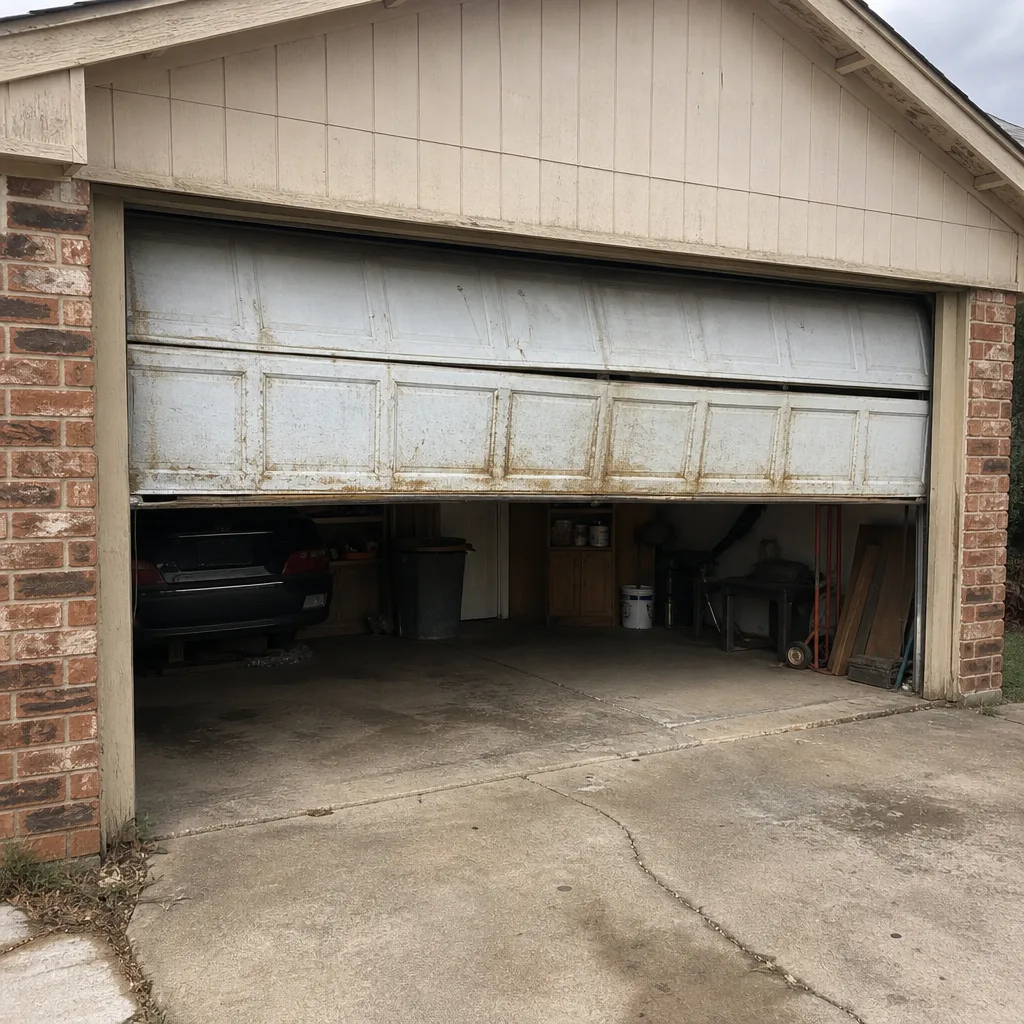 Before
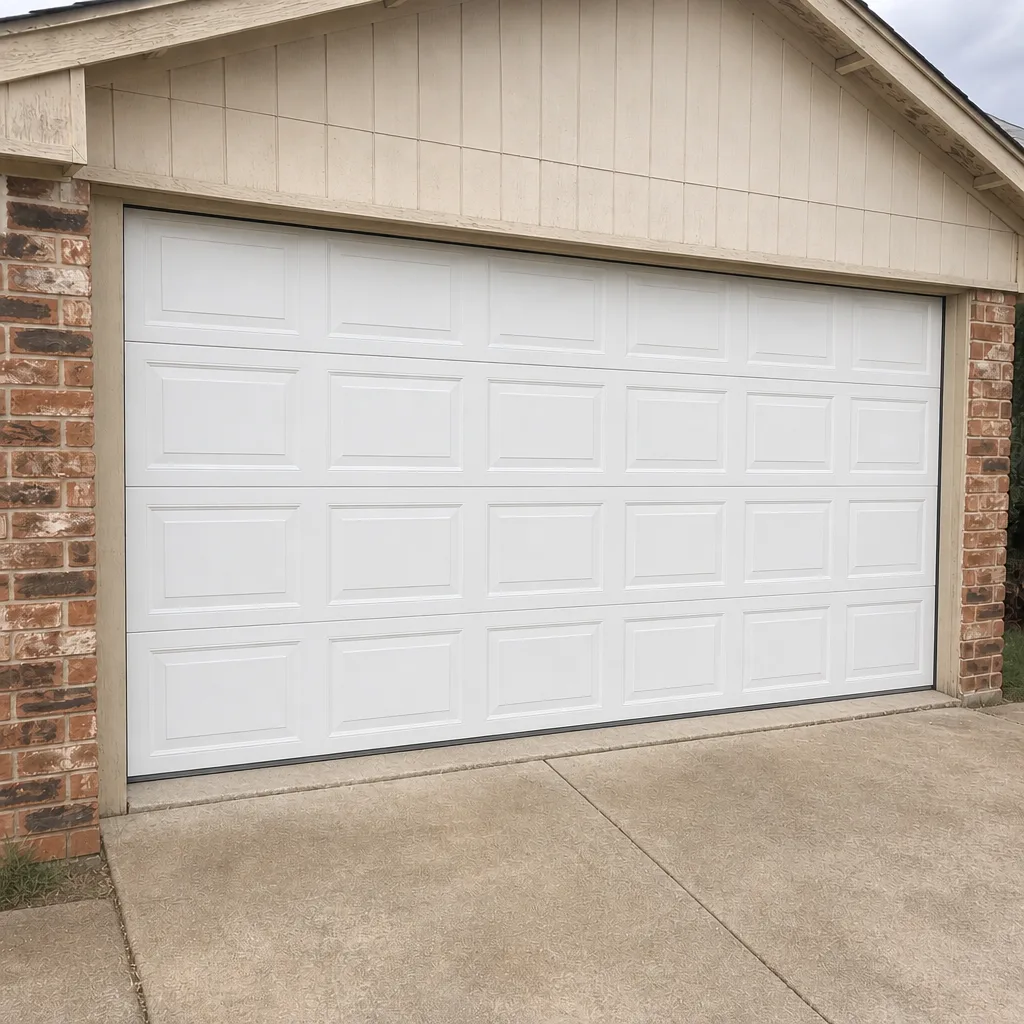 After
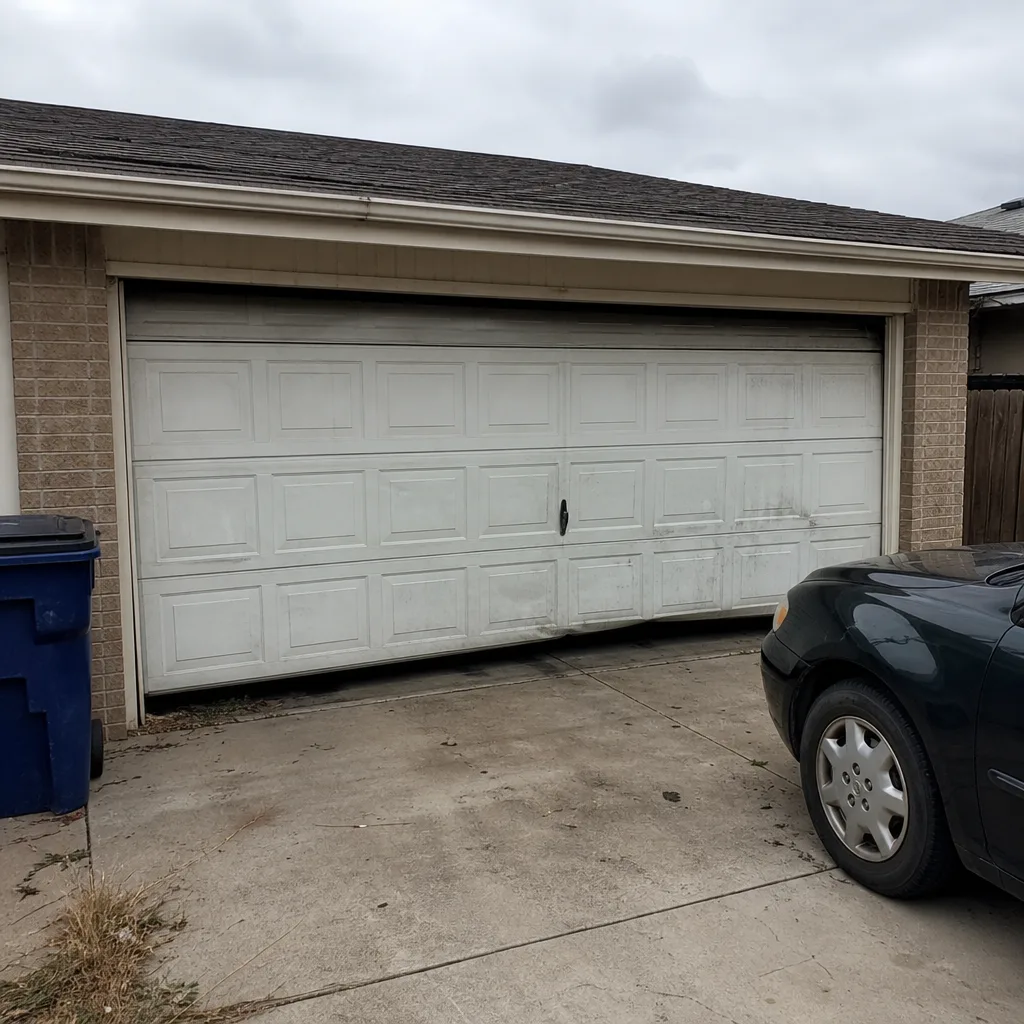 Before
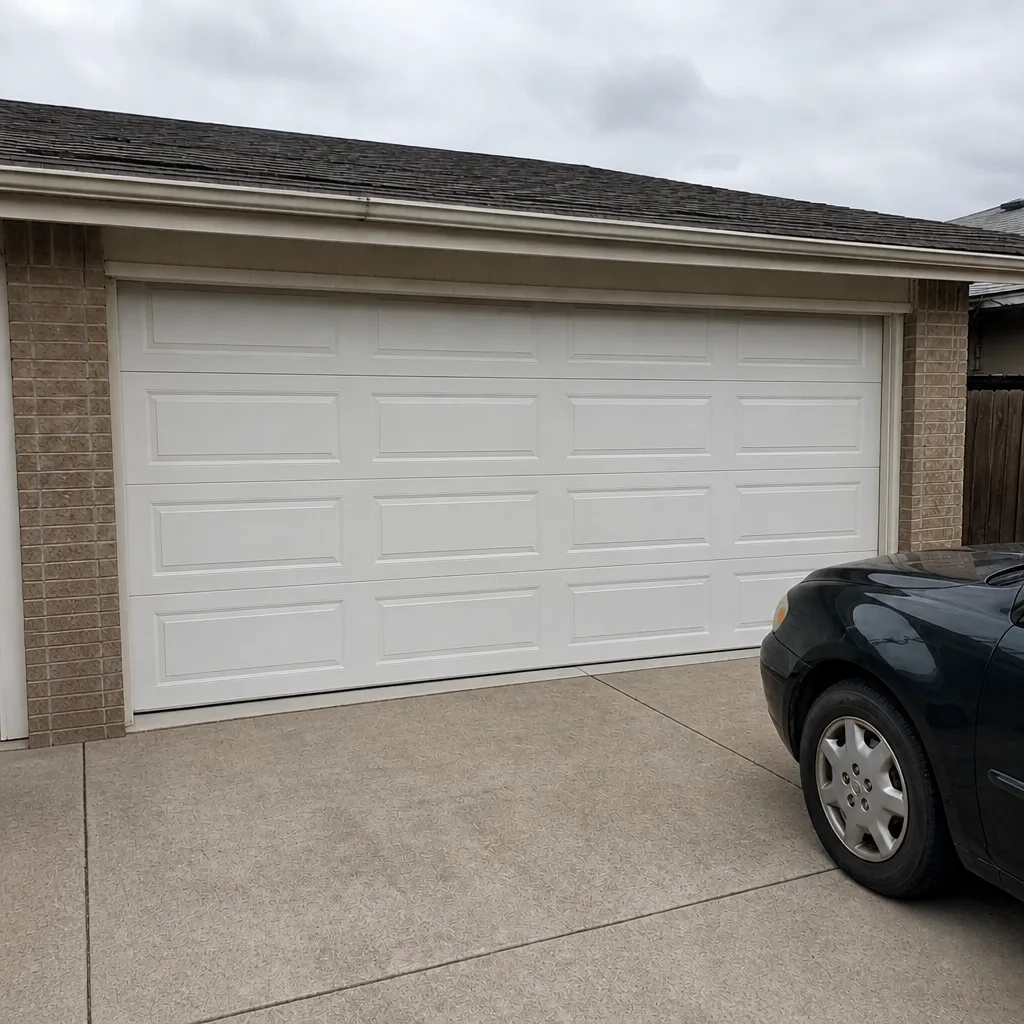 After
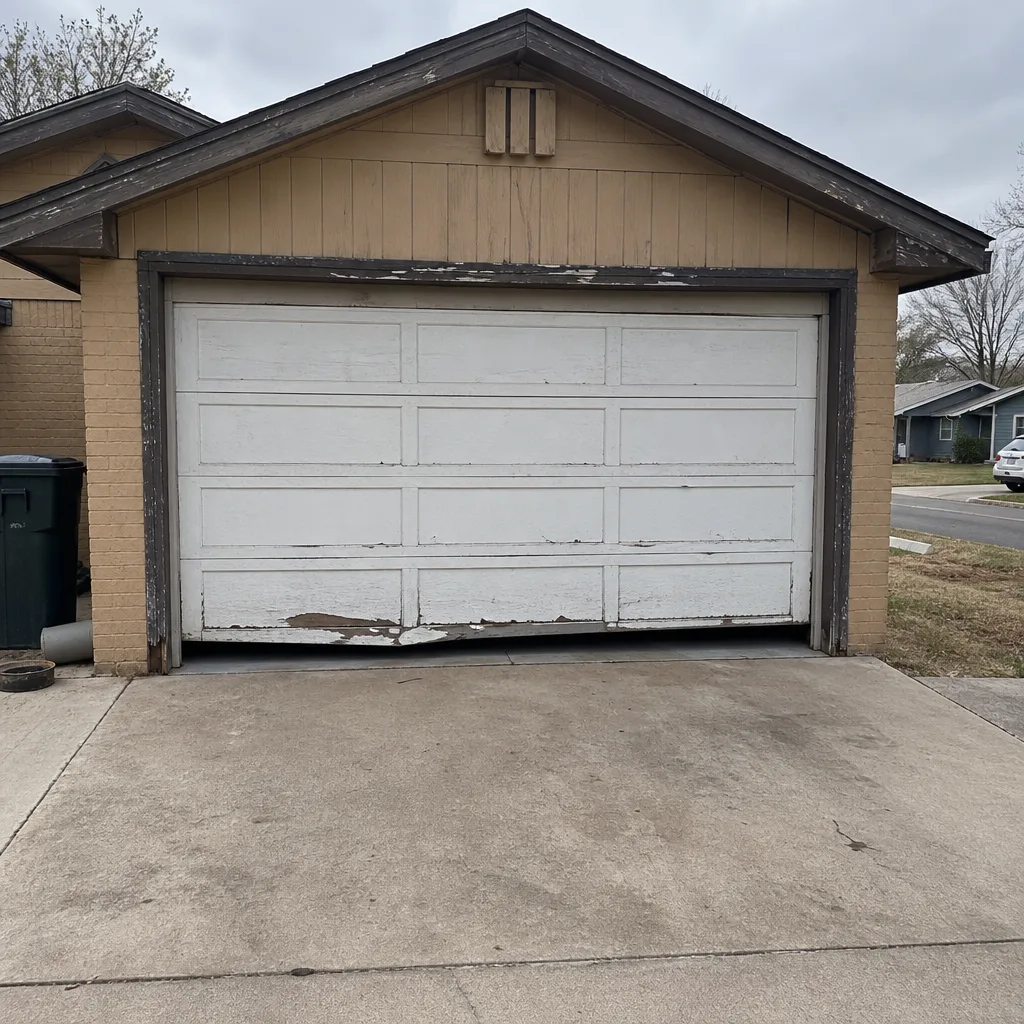 Before
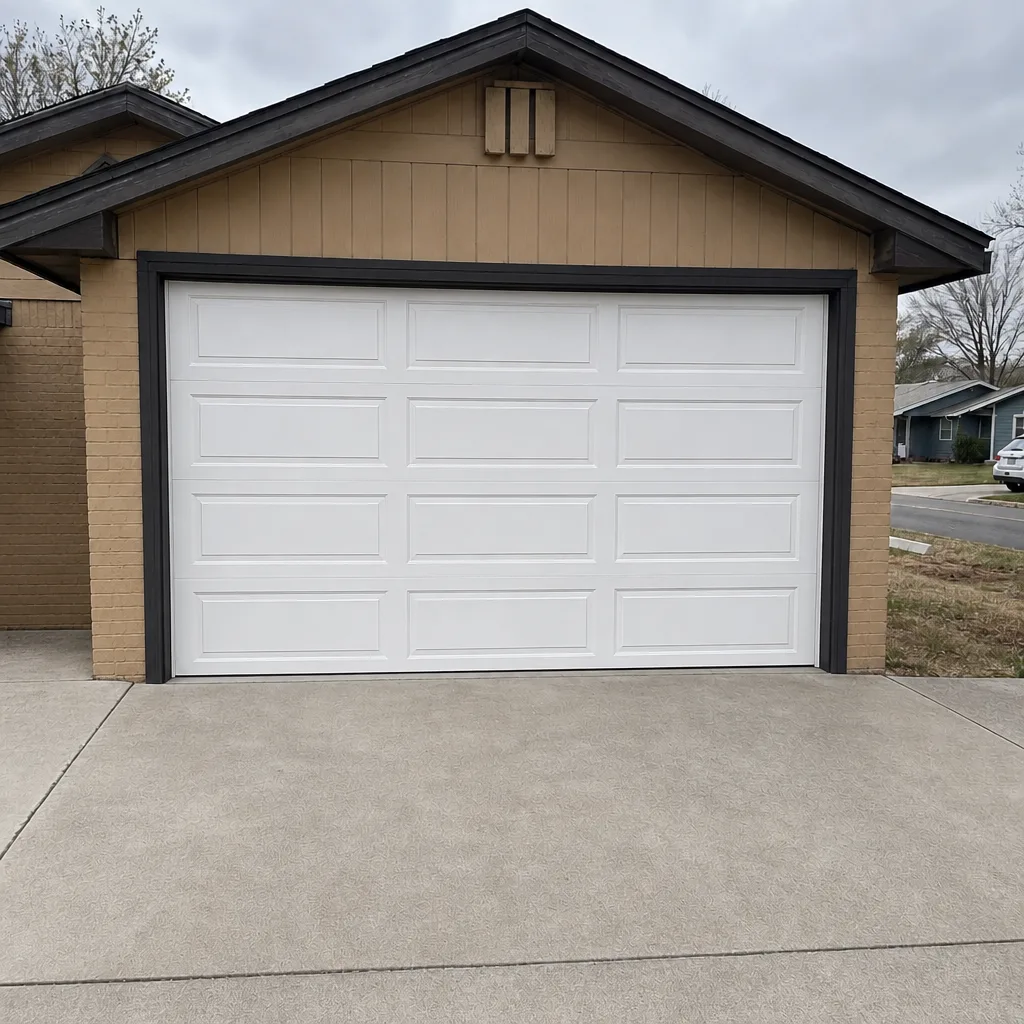 After
When to Call a Professional
Call a professional if any of the following are true. The door reverses on its own for more than a day or two. The door fails the manual balance check. You see a gap in a spring coil or a frayed cable. The door sags on one side, or a panel is visibly bowed. The opener runs but the door won’t move, or the door moves but the opener won’t engage. Any symptom involving springs, cables, or the opener’s electrical components – especially if it involves wiring – is a call, not a project. Do not attempt to adjust springs or cables yourself. They’re under extreme tension and can cause serious injury.
Nautilus Garage Door Repair offers free estimates in Midland. The written estimate sets the price, quoted and agreed before any work starts. Call (844) 904-1321 for a free estimate. We answer 24/7. Fast dispatch from 7am to 7pm, Sunday through Friday.
Frequently Asked Questions
The first signs are usually a change in sound on the first cycle of the day, a door that moves slower than usual, or a door that reverses before fully closing. In Midland’s climate, watch for summer sluggishness and dust-related noise especially. If the door lifts cleanly by hand but struggles on the opener, that’s a balance issue and one of the most important early signs to catch.
Summer sluggishness almost always points to heat-related expansion, stiff lubricant, or a door that’s slightly out of balance and only shows it under thermal load. It’s rarely a failing motor. Test the door by hand with the opener disconnected: if it sags or drops, the door is the issue, and the fix is a balance or lubrication service rather than a new opener. That distinction saves hundreds of dollars either direction.
Prices vary by door type and spring configuration, so the written estimate is the number to work from. A pair of springs is normally replaced together, and each spring is priced separately. Call (844) 904-1321 for an exact quote – estimates are free, and the price is quoted and agreed before any work starts.
Yes, in most repair situations. Fixing a door that’s stuck or failing is a repair call, not a scheduled installation, so we can usually work you in quickly. Call (844) 904-1321. We answer 24/7. Fast dispatch from 7am to 7pm, Sunday through Friday. A call outside dispatch hours is booked into the next opening.
No. The written estimate sets the price, and we agree it before any work starts. If a diagnostic pass turns up a different cause than expected, we explain the change and confirm the new number before proceeding. The final invoice matches the number you agreed to.
Yes. Our technicians are state-licensed, insured, and bonded, and they’ve worked across all the major brands including LiftMaster, Chamberlain, Genie, Clopay, Amarr, Wayne Dalton, Craftsman, and Raynor. Brand fluency is a large part of why the diagnostic pass is accurate rather than a guessing game. Call (844) 904-1321 for an appointment in Midland. Estimates are free.
A sensor problem usually makes the door reverse at the same point on every cycle, and the opener’s LED blinks a signal code. A spring problem makes the door hard to lift, sag on one side, or fail to balance. Sensor issues are a diagnostic you can partly do yourself. Spring issues are not – stop operating the door and call a professional.
The Bottom Line
Read your door by context, not by symptom alone. In Midland, a slow door in July is a heat and balance conversation; a grinding noise on the first few cycles of the morning is a thermal signature. Dust and wear sound different. Sensor problems and spring problems behave differently. If the door lifts cleanly by hand but struggles on the opener, the door is the problem, not the motor. Write down what you see, when you see it, and whether the manual release changes anything. That log makes the diagnostic faster and the estimate more accurate. When in doubt, don’t touch springs or cables. Call a technician. Nautilus Garage Door Repair covers the full lifecycle of the door, from a single spring to a full installation, on all the major brands. Call (844) 904-1321 for a free estimate in Midland. We answer 24/7. Fast dispatch from 7am to 7pm, Sunday through Friday. You can also read more about our Midland coverage and our garage door repair service before you call.
Written by the team at Nautilus Garage Door Repair.