
Last updated November 14, 2026
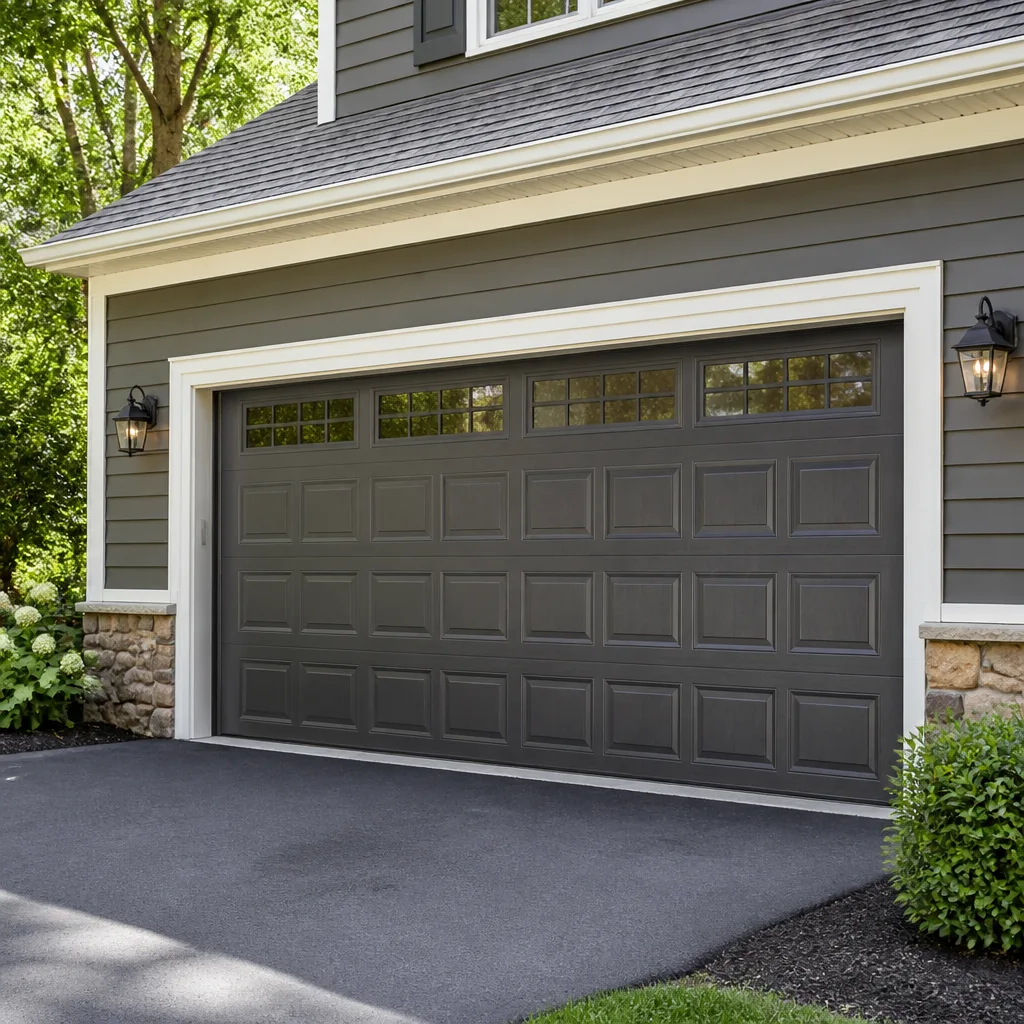 Raised-panel steel
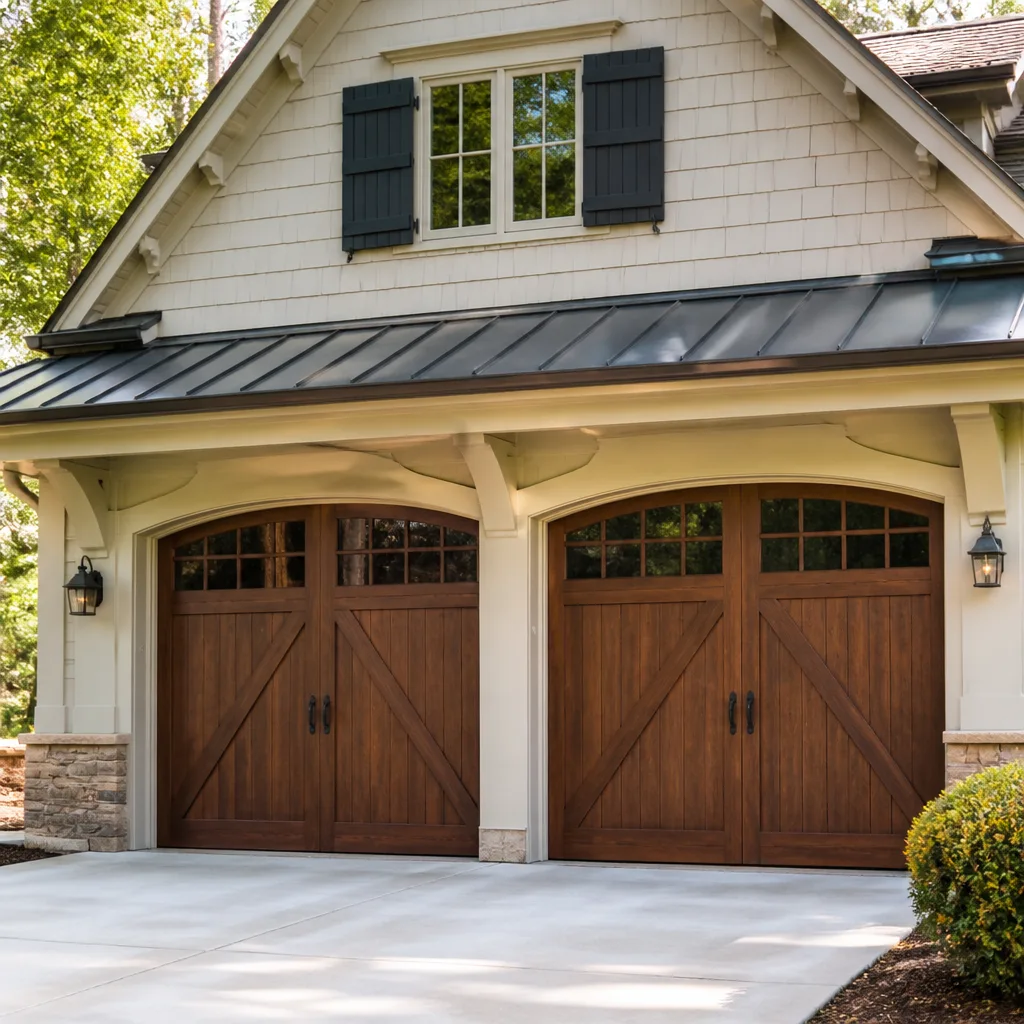 Carriage house
 Modern flush
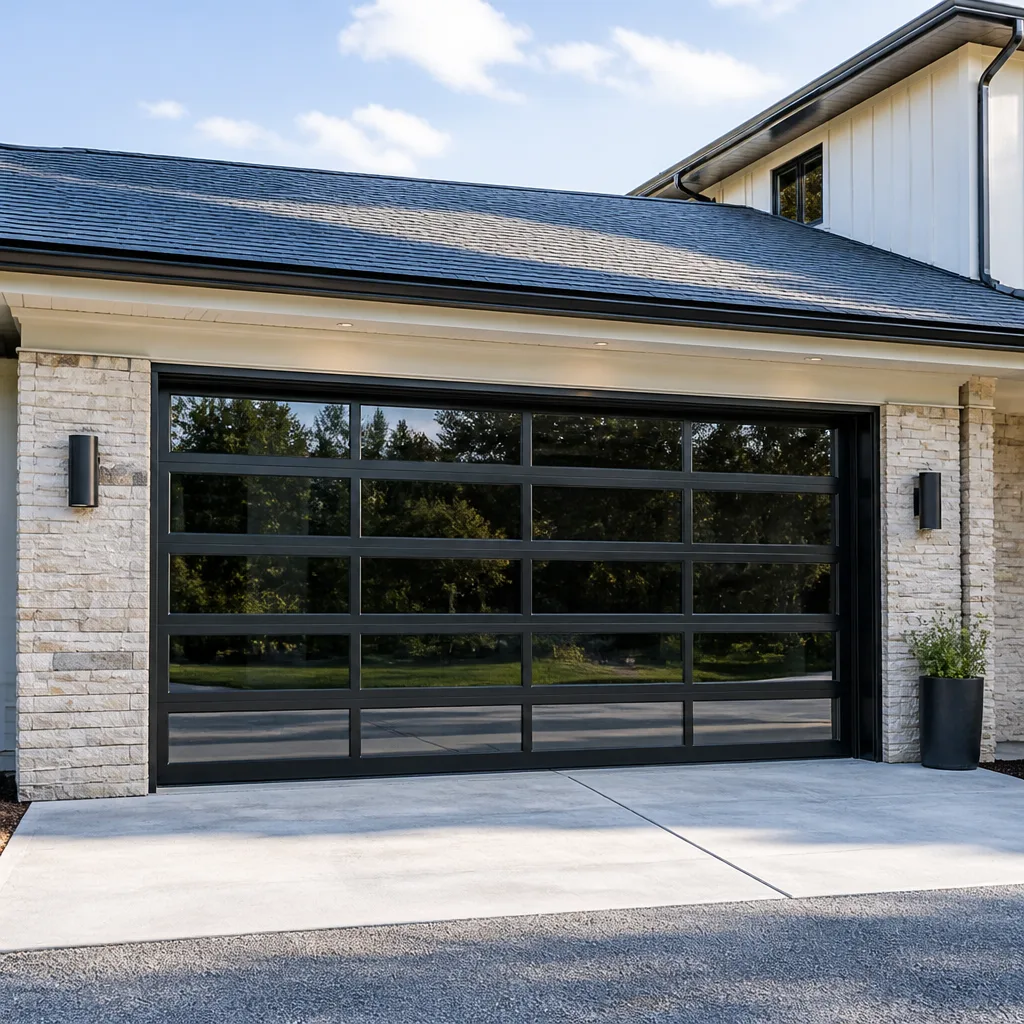 Full-view glass
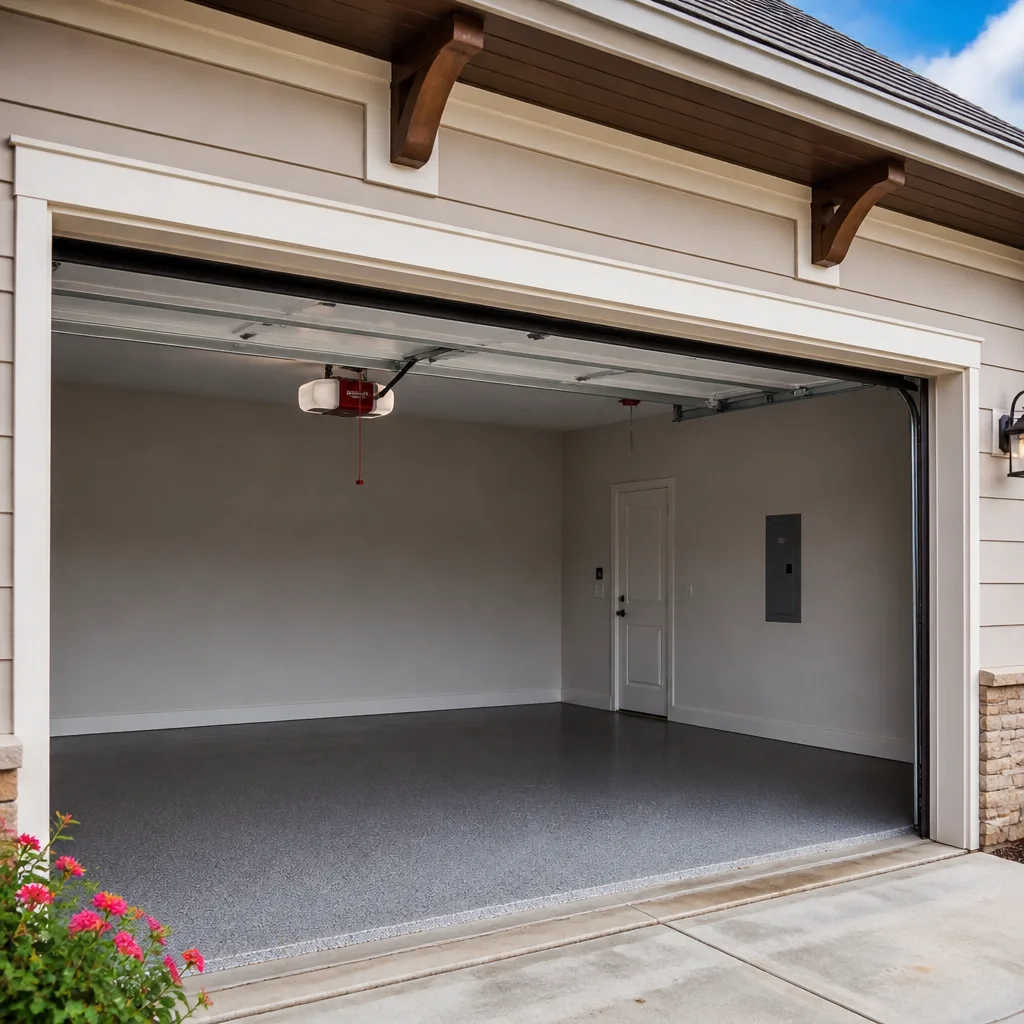 LiftMaster openers
 Chamberlain openers
Full 25-point door and opener safety check with every visit - springs, cables, rollers, tracks, and your LiftMaster or Chamberlain opener included
You get a price before we start. It does not change when the pro arrives.
Get your free estimateGarage Door Permits, Codes & Inspections in Midland, TX: What You Need to Know
Most Midland homeowners assume swapping a garage door is permit-free. Usually they’re right, but the exceptions are specific, and they matter. When a contractor modifies the structural header above the opening to fit a different door height or a heavier system, that work can fall under city permitting rules. If no permit is pulled, the change may never show up in your home’s record, and it can surface years later during a sale, an appraisal, or an insurance claim. This guide walks through where the line sits, what a Midland inspection actually checks, and what stays your responsibility to verify.
Quick Answer
Routine garage door replacement in Midland generally does not require a building permit when you’re staying within the existing opening and swapping like for like. A permit is typically triggered when the job involves structural work, such as header modification or widening the opening, or when you’re adding a new opening or door to a structure that didn’t have one. Electric opener installs on older homes can also raise permitting and code questions. When in doubt, call the City of Midland Development Services department and ask before the work starts – it’s a short conversation that protects you.
Styles & brands we work with
- Raised-panel steel
- Carriage house
- Modern flush
- Full-view glass
- LiftMaster openers
- Chamberlain openers
Table of Contents
- What Triggers a Garage Door Permit in Midland, TX?
- What Doesn’t Require a Permit
- Structural Header Work and Why It Matters
- Springs, Cables, and the Safety Systems Code Cares About
- What a Midland Inspection Actually Checks
- Do You Need a Permit for an Electric Opener?
- HOA Overlay Rules in Midland Subdivisions
- How to Pull the Permit History on a Midland Home
What Triggers a Garage Door Permit in Midland, TX?
Permits are about the structure, not the door. A new door hung in the existing opening is a like-for-like replacement, and those typically clear without a permit. The moment the job changes the opening itself – its width, its height, the framing that carries the load above it – you’re into structural territory, and the city wants eyes on it.
Here’s how a permit call usually sorts itself out. Ask the Development Services staff these questions, in this order:
- Is the door being replaced within the existing opening? If yes, most replacements don’t require a permit.
- Is the header being altered? Raising, lowering, widening, or reinforcing the header is structural work that almost always requires review.
- Is this a new opening in a structure that had none? New openings come with structural and egress questions attached.
- Are electrical components changing? A new opener circuit or panel work pulls an electrical permit into the picture.
- Is a track or anchor system being re-engineered for a different door weight? New attachment points in the framing can count as structural.
We field calls from Midland homeowners all the time who don’t know whether their job is a simple swap or something that needs a permit. The honest answer is that it depends on what’s behind the drywall and whether the opening is changing. Talk to Development Services before work starts. It costs nothing and it settles the question for good.
What Doesn’t Require a Permit
Replacing a garage door with a same-size model in the same opening is a like-for-like swap and typically doesn’t trigger a permit. The same goes for most repair work: broken springs, snapped cables, worn rollers, bent tracks, and opener repairs all address individual components rather than structural changes.
In Midland, the common no-permit scenarios include:
- Swapping a door for a same-size door of comparable system, whether Clopay steel or a wood-look model
- Replacing a broken spring or spring pair
- Replacing a snapped cable
- Straightening a bent track or replacing rollers and hinges
- Repairing or replacing a LiftMaster or Chamberlain opener with an equivalent model on the same circuit
- Replacing weatherstripping, bottom seals, or section panels
If the work involves rerouting wiring, adding a new circuit for a new opener, or modifying the framing, call Development Services. Routine repair is yours to make. Structural change is not. For garage door repair, no permit is normally involved.
Structural Header Work and Why It Matters
The header is the beam above the garage opening. It carries the weight of the wall and roof above the doorway. When a contractor raises or widens an opening for a taller or wider door, the header changes, and that change is the reason most garage door permits exist.
Texas residential building rules treat the header as a load-bearing element. Any change to it is structural. That’s why permitting matters here: a header alteration that isn’t reviewed and inspected can leave a home with an unrecorded structural change. When you sell, an inspector or appraiser can flag it. When you file an insurance claim after a storm, an insurer can ask whether alterations were permitted. These aren’t hypotheticals – we’ve seen them come up.
The practical guidance is simple:
- Confirm whether the header is being altered before the work starts.
- If it is, apply for the permit. Municipal review here is meant to confirm the load path, not to slow you down.
- Keep the permit and final inspection paperwork with your home records.
- If you’re buying a Midland home, ask for the permit history on any garage work (more on that below).
A garage door isn’t just a convenience. It’s a working mechanical system hanging off a load-bearing wall. Treat it as one and the paperwork takes care of itself.
Springs, Cables, and the Safety Systems Code Cares About
Permits are one layer. Code is another. Texas residential code speaks to spring systems, minimum clearances around the door, and the safety devices that stop a door from coming down on a person, a pet, or a car. These aren’t optional details. They’re the parts of the system that do the protecting.
The elements code and inspection care about most:
- Matched spring systems. A spring pair is rated and installed as a pair. Mismatching a spring in a pair is a common shortcut, and it distorts the door’s balance.
- Safety reverse. The opener’s reversal feature is part of the code picture. On LiftMaster, Chamberlain, and Genie openers, that’s the photo-eye beam across the opening and the mechanical force-sensing reverse.
- Entrapment protection. Openers are designed to reverse on contact. Testing that feature takes seconds and should happen periodically.
- Spring containment cables. Torsion and extension springs are supposed to have containment cables so that a broken spring can’t fly.
- Minimum clearances around tracks and moving parts. The door needs clearance to move freely, and the system should not intrude into a walking path.
A safety note: torsion springs, extension springs, and the cables that run with them are under extreme tension. A garage door spring under load is one of the most dangerous parts of any home system. If you hear a snap, or if the door is hanging by one side, don’t touch the springs, don’t try to wind them back, and don’t loosen a cable. Call a trained technician. This is the kind of work where a mistake can put a person in the hospital.
What a Midland Inspection Actually Checks
An inspection is a point-in-time check, not a warranty. Inspectors look at the specific work covered by the permit and verify that it matches what was approved. That’s the scope. It’s also where a lot of homeowners misunderstand what an inspection is for.
A typical garage door inspection focuses on:
- The structural work in the permit (the header, framing, or opening change)
- The attachment of the track and hardware to the framing
- Clearance and dimensional conformity to the approved plans
- Presence of safety devices if the job brought in an opener circuit
- The electrical rough-in and final connections, if electrical work was part of the permit
What a Midland inspection usually does not check, and what stays your responsibility:
- Whether the torsion springs are correctly rated to the door’s weight
- Whether the springs are matched as a pair
- Whether the opener’s force-sensing reverse is calibrated properly
- Whether the photo-eye beam is aligned and functional after the install
- Whether rollers and hinges are worn
- Whether the door is balanced across its full travel
Those are mechanical checks only a garage door specialist makes. A passed inspection is a good thing. It doesn’t mean everything else is dialed in. We do those mechanical checks as part of our own work and they’re the difference between a door that works and a door that works safely for years.
Do You Need a Permit for an Electric Opener?
A straight replacement of an existing opener on the existing circuit typically doesn’t need a permit. A new opener in a garage that never had one, or an opener install that requires a new dedicated circuit, can bring electrical permitting into the picture. The most common case where we see this come up in Midland is older homes where the garage was built without an opener and one is being added now.
Here’s the general rule:
- Replacing an opener in the same spot on the same circuit: usually no permit.
- Adding an opener to a garage with no existing opener wiring: the new circuit typically needs an electrical permit.
- Running a new outlet or re-routing wiring for a wall-mounted opener: electrical work, electrical permit.
- Swapping a legacy Craftsman opener for a Genie or LiftMaster with smart-home integration, on the same circuit: usually no permit.
If you’re adding an opener to a garage that didn’t have one, call Development Services before the electrician quotes. The permitting side is a one-page application. The work itself is what takes the day. For garage door opener repair, no electrical permit is normally involved.
HOA Overlay Rules in Midland Subdivisions
HOA rules run alongside city code, not on top of it. A permit from the city doesn’t override an HOA architectural review. The rules govern different things. City code cares about safety and structure. HOAs care about design, uniformity, and property values. Some Midland subdivisions have architectural committees that dictate door panel design, color, window configuration, and material for street-facing doors.
What HOA architectural review often controls:
- Door color (specific palettes in controlled subdivisions)
- Panel profile (raised-panel vs. carriage-house vs. flush)
- Window presence, size, and location on the door
- Material (steel vs. wood-look)
- Whether a door can be replaced with a different style at all
If you’re buying in a Midland neighborhood with architectural controls, check the HOA rules on garage doors before you order. A Clopay or Amarr door approved by one subdivision may not match what another subdivision permits. HOA approval is separate from a permit and separate from the install itself. Ask for the architectural review form along with the CC&Rs. If it’s ambiguous, get the written approval from the committee before the door is manufactured. It’s the only way to avoid a door that’s already on your house and doesn’t meet the rule.
How to Pull the Permit History on a Midland Home
If you’re buying a Midland home, ask for the permit history on the garage before you close. It’s a routine request. Sellers rarely object, and title companies can help you find it. The history is what tells you whether any past garage work was done with the city’s knowledge or quietly without it.
Here’s the process, step by step:
- Start with Development Services. Call the City of Midland Development Services department and request the permit history for the address. Most records are searchable by address.
- Look for garage-related permit entries. Any header work, opening change, or electrical addition should be listed.
- Match each permit to a final inspection. A permit pulled but never inspected is a red flag – that means the work was never signed off.
- Ask the seller directly about any garage renovation whose history doesn’t show up. “When was the garage door last replaced, and was a permit pulled if structural work was involved?” is a fair question.
- Have a garage door specialist look at the system if anything is unclear. Springs, tracks, and the header tell a technician what the paperwork doesn’t.
- Get it in writing in the seller’s disclosure if the record is incomplete.
This is the step buyers skip, and it’s the one that catches unpermitted work. If your realtor or title company can’t locate the history, a call to Development Services will.
Common Mistakes to Avoid
- Assuming “it’s just a door” means no permit needed. Replacement within the existing opening usually clears. Structural work on the opening usually doesn’t.
- Skipping the HOA review because the city permit was issued. HOA architectural approval is separate. A door that meets city code can still violate the subdivision’s architectural rules.
- Altering the header without a permit because the contractor said it wouldn’t matter. An unrecorded header change can surface during a future sale or insurance claim. Verify the permitting question with Development Services yourself.
- Buying a Midland home without checking the garage permit history. The history is a phone call away. Unpermitted prior work from a previous owner is the buyer’s problem once escrow closes.
- Skipping the mechanical checks after a passed inspection. Spring rate, opener reverse calibration, and photo-eye alignment aren’t part of a structural inspection. They’re the parts of the system that keep people safe.
- Testing springs or cables by hand. A torsion spring under load can cause serious injury. If something looks wrong with the springs or cables, stop and call a trained technician.
- Installing an opener on a new circuit without the electrical permit. Adding an opener where none existed is an electrical job as well as a garage door job.
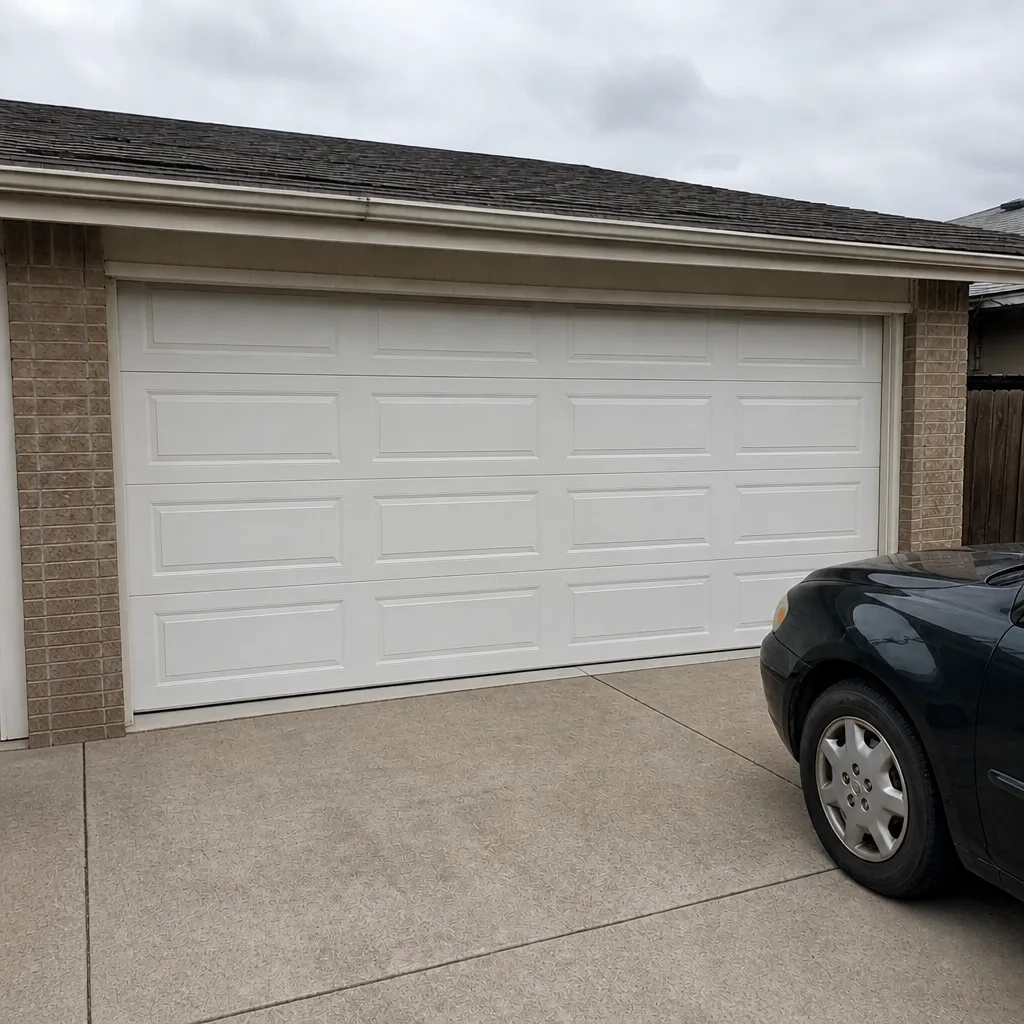
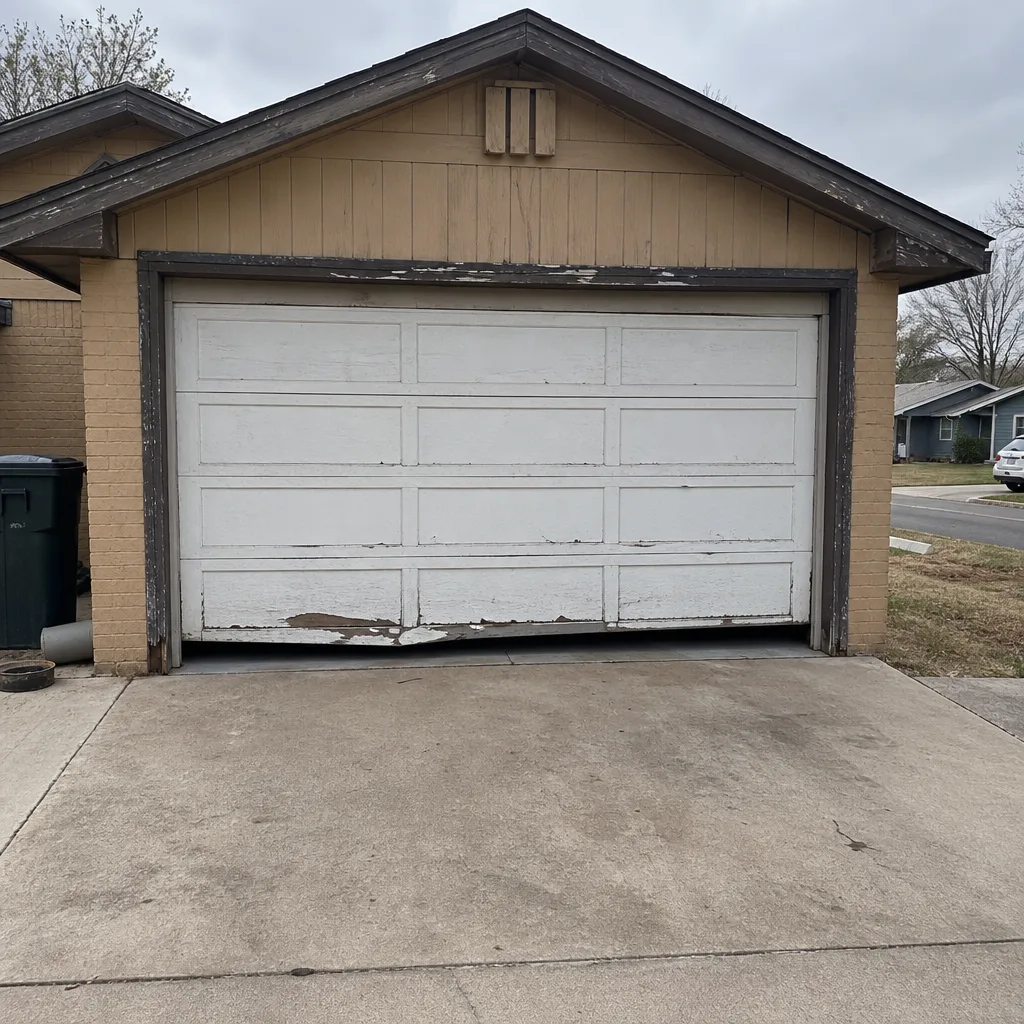
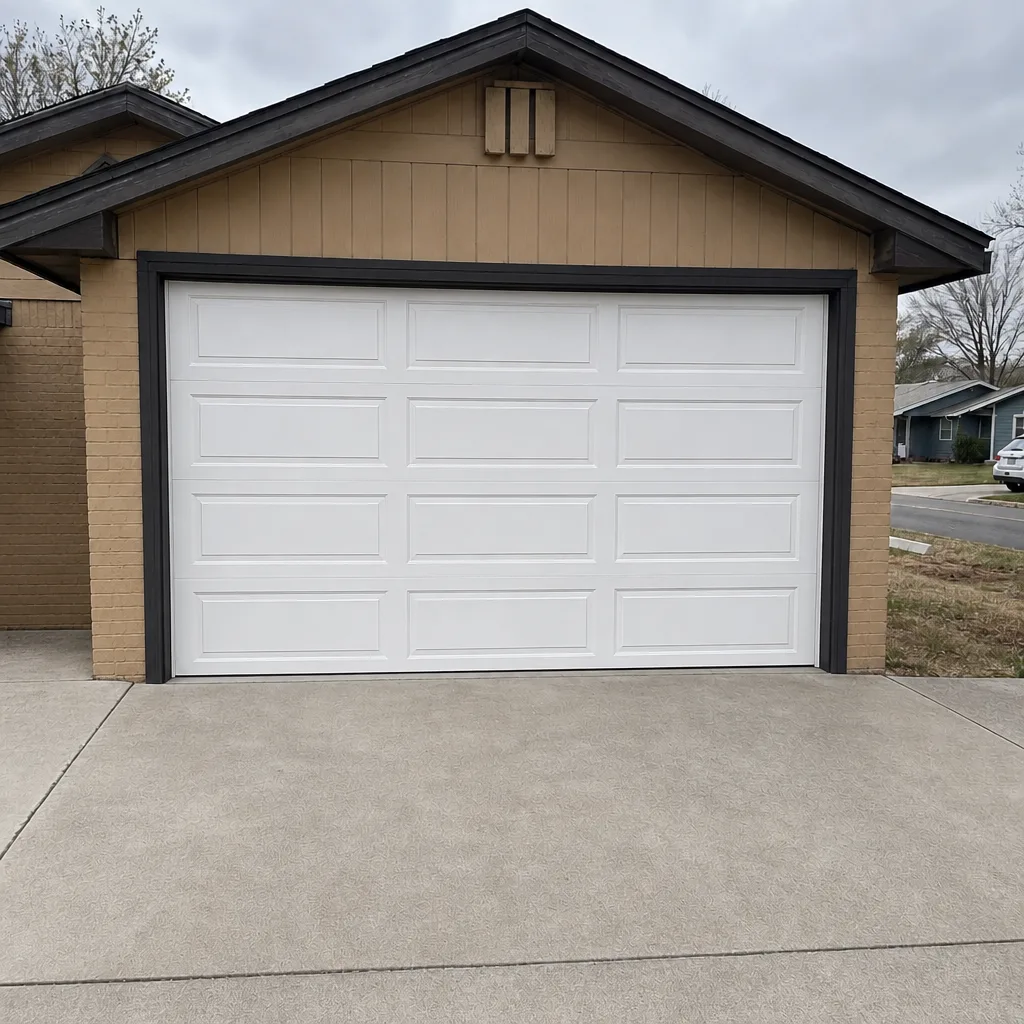
See the difference
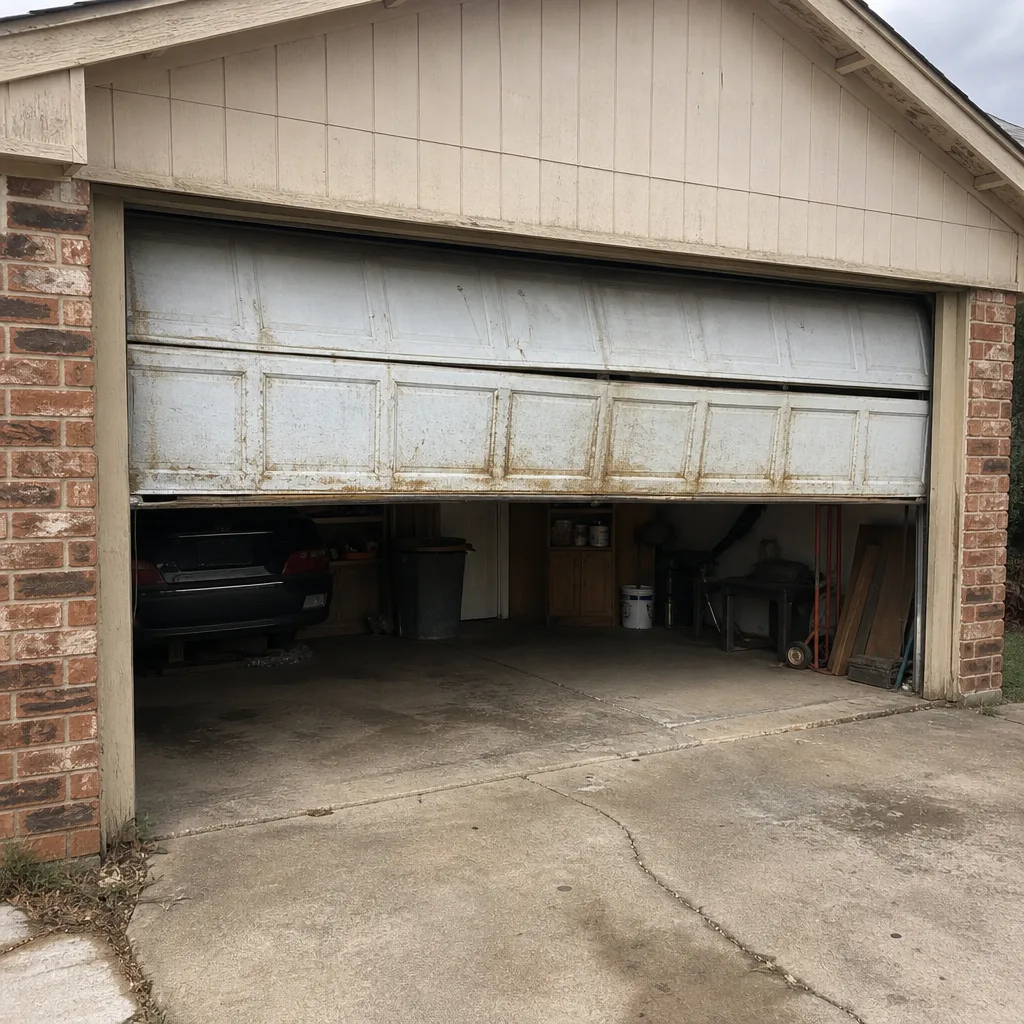 Before
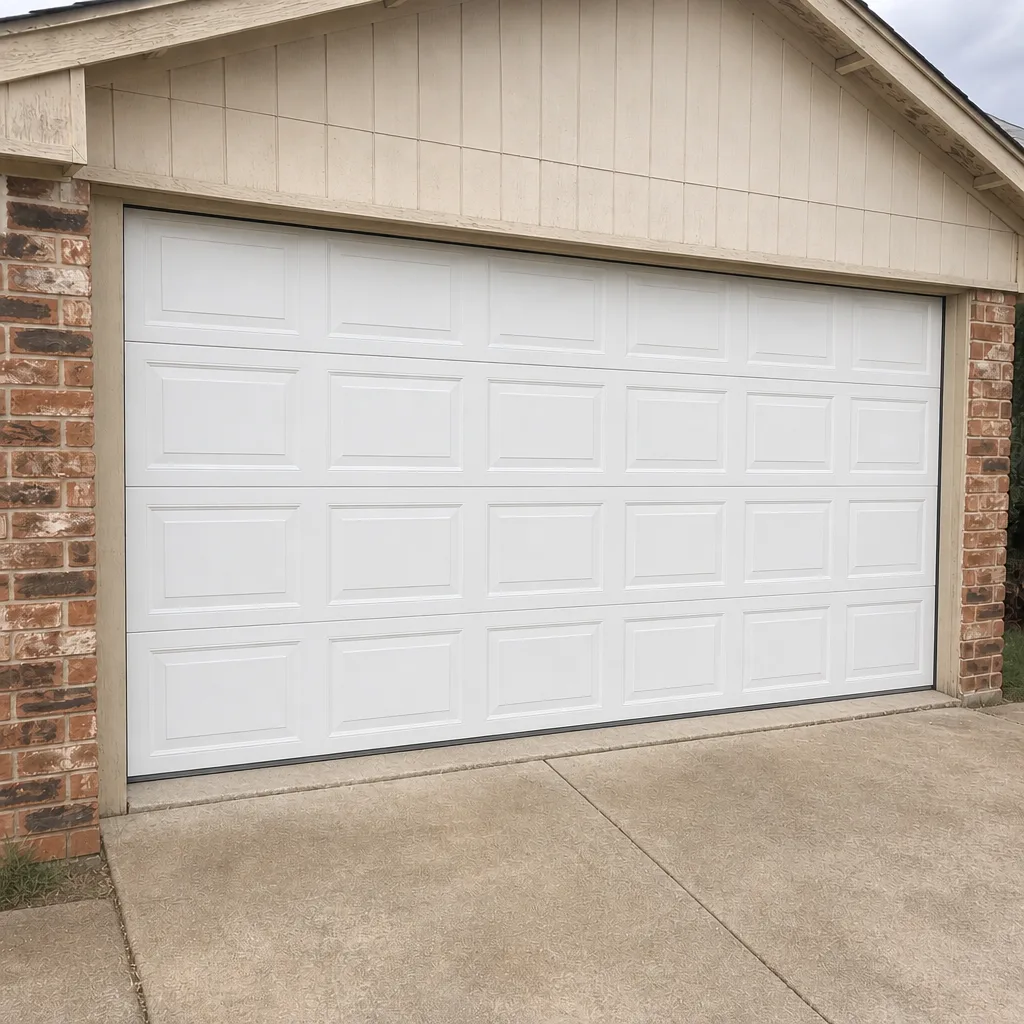 After
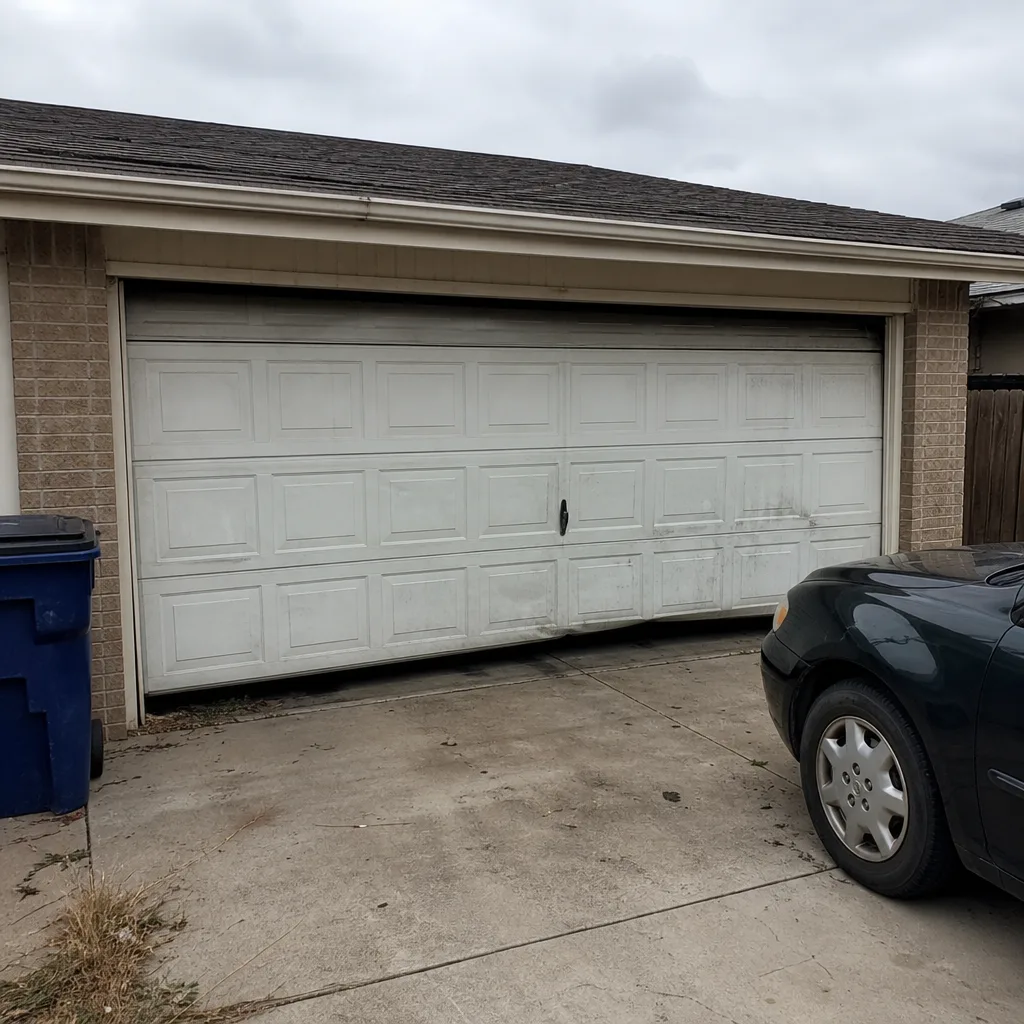 Before
 After
 Before
 After
When to Call a Professional
Call a garage door specialist when the issue involves springs, cables, an opener’s safety reverse, or a door that isn’t balanced. Call before you buy a door if HOA rules are unclear or if the opening might need modification – a specialist can tell you what’s involved before you commit. Call if you’re buying a Midland home and the garage permit history is incomplete, and you want someone to look at the system itself rather than the paperwork. And call if the door has been acting up in ways that suggest worn springs, a failing opener, or an alignment problem that needs diagnosing. Nautilus Garage Door Repair offers free estimates in Midland – call (844) 904-1321. We work on doors and openers from LiftMaster, Chamberlain, Genie, Clopay, Amarr, Wayne Dalton, Craftsman, and Raynor. One call covers the diagnosis, the safety checks, and the plan.
Frequently Asked Questions
Usually no. A like-for-like replacement within the existing opening generally doesn’t require a permit. You likely need one if the header is being modified, the opening is being widened or raised, or a new opening is being created. Call the City of Midland Development Services department to confirm your specific job before work starts. If the permitting question is clear and the job is set, call (844) 904-1321 for a free estimate on the door work itself.
The change may not appear in your home’s record, and that can surface during a future sale, appraisal, or insurance claim. The fix starts with a call to Development Services to ask how the city wants to handle it, which sometimes means a retroactive permit and inspection. Have a specialist inspect the header and framing first so you know what was actually changed. Call (844) 904-1321 and we’ll look at the system and walk you through the next step.
No. Spring replacement is a repair, not a structural change, and it doesn’t trigger a building permit. Springs are also the most dangerous part of the system – a torsion spring under load can cause serious injury. Don’t attempt a spring job yourself. Call (844) 904-1321 and we’ll handle the replacement safely.
An inspection verifies the structural work in the permit: the header, framing, clearance to the approved plans, and the electrical rough-in and final if that’s part of the scope. It does not check spring rate, opener reverse calibration, or photo-eye alignment. Those stay your responsibility to verify. Call (844) 904-1321 and we’ll run the mechanical checks that an inspection doesn’t.
Yes, if your subdivision has an architectural review committee. HOA rules run parallel to city code and can dictate panel profile, color, windows, and material for street-facing doors. Get written architectural approval before the door is ordered. Call (844) 904-1321 if you want a specialist to confirm what will fit your opening and HOA before you commit.
Call the City of Midland Development Services department and request the permit history by address. Look for garage-related entries, and match each permit to a final inspection. Any permit that was pulled but never inspected is worth asking about. Call (844) 904-1321 if the record is incomplete and you want a specialist to assess the garage system in person.
The Bottom Line
Garage door permitting in Midland comes down to one distinction: structure or repair. Like-for-like replacement and component repair don’t need a permit. Header modification, opening changes, and new opener circuits typically do. HOA architectural rules sit alongside city code and aren’t overridden by a permit. An inspection confirms the structural work but not the mechanical safety of the system, so spring rate, opener reverse calibration, and photo-eye alignment are yours to verify – or ours, if you’d rather not. When you’re buying a Midland home, the permit history is one phone call and it’s worth making. The paperwork is quick. The consequences of skipping it are not.
Nautilus Garage Door Repair offers free estimates in Midland. We work the full lifecycle – repair, Nautilus Garage Door Repair, and installation – across the eight major brands we know well, including LiftMaster, Chamberlain, Genie, Clopay, Amarr, Wayne Dalton, Craftsman, and Raynor. Call (844) 904-1321. We answer 24/7. Fast dispatch from 7am to 7pm, Sunday through Friday. Serving Midland and the surrounding neighborhoods.
Written by the team at Nautilus Garage Door Repair.