
Last updated November 14, 2026
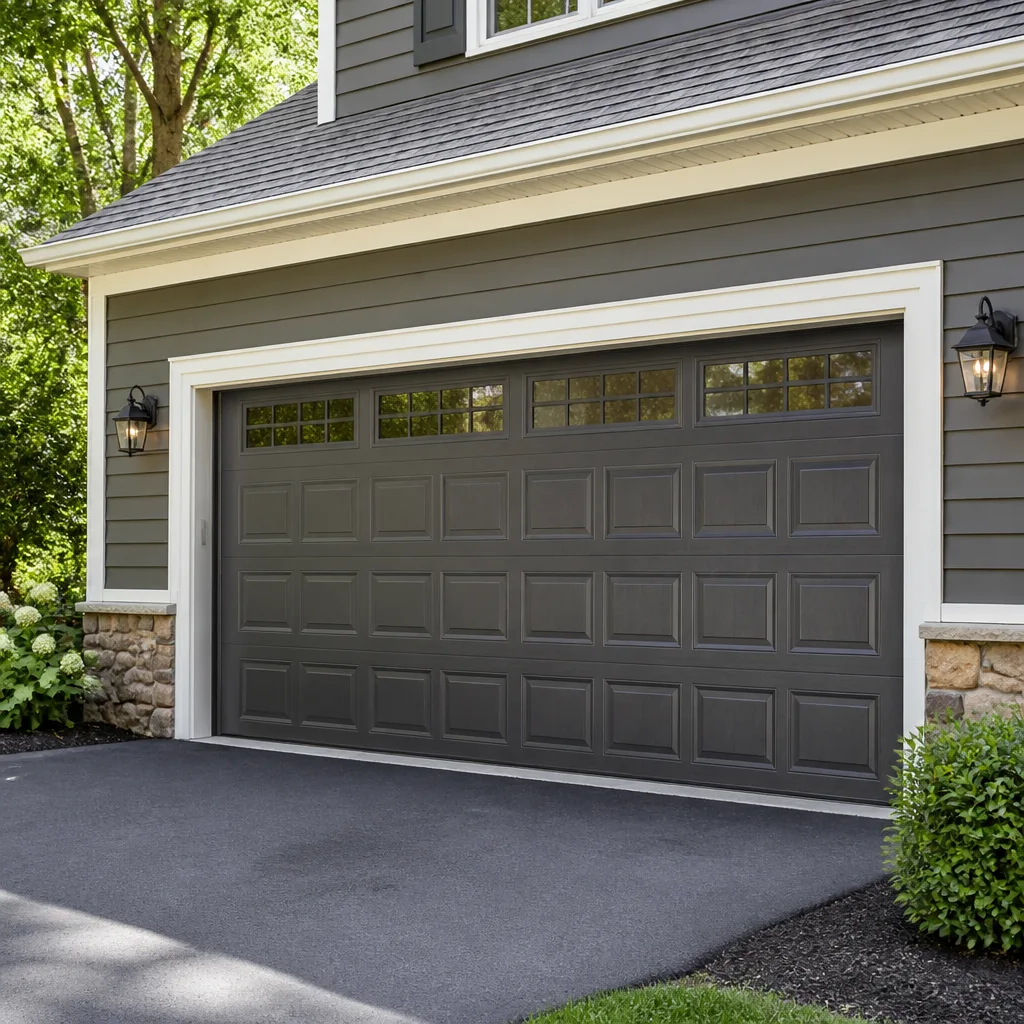 Raised-panel steel
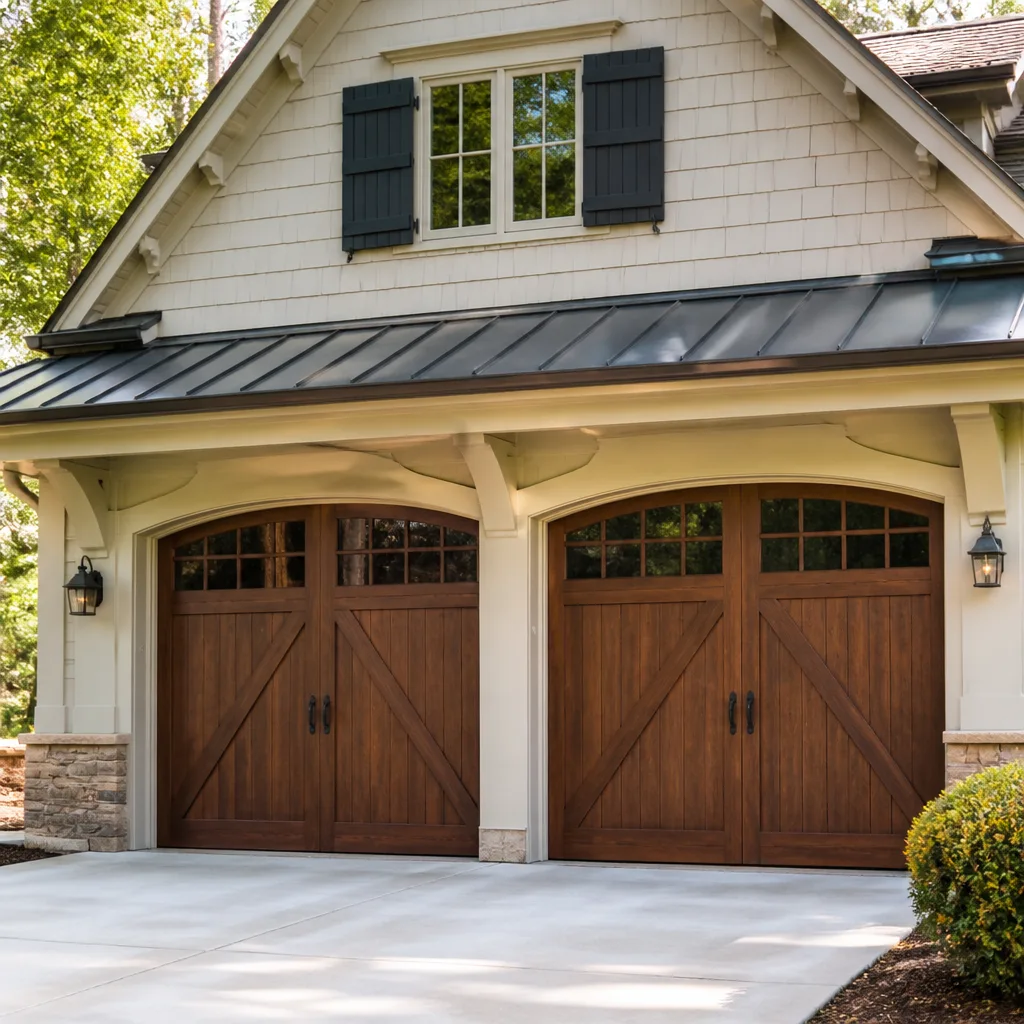 Carriage house
 Modern flush
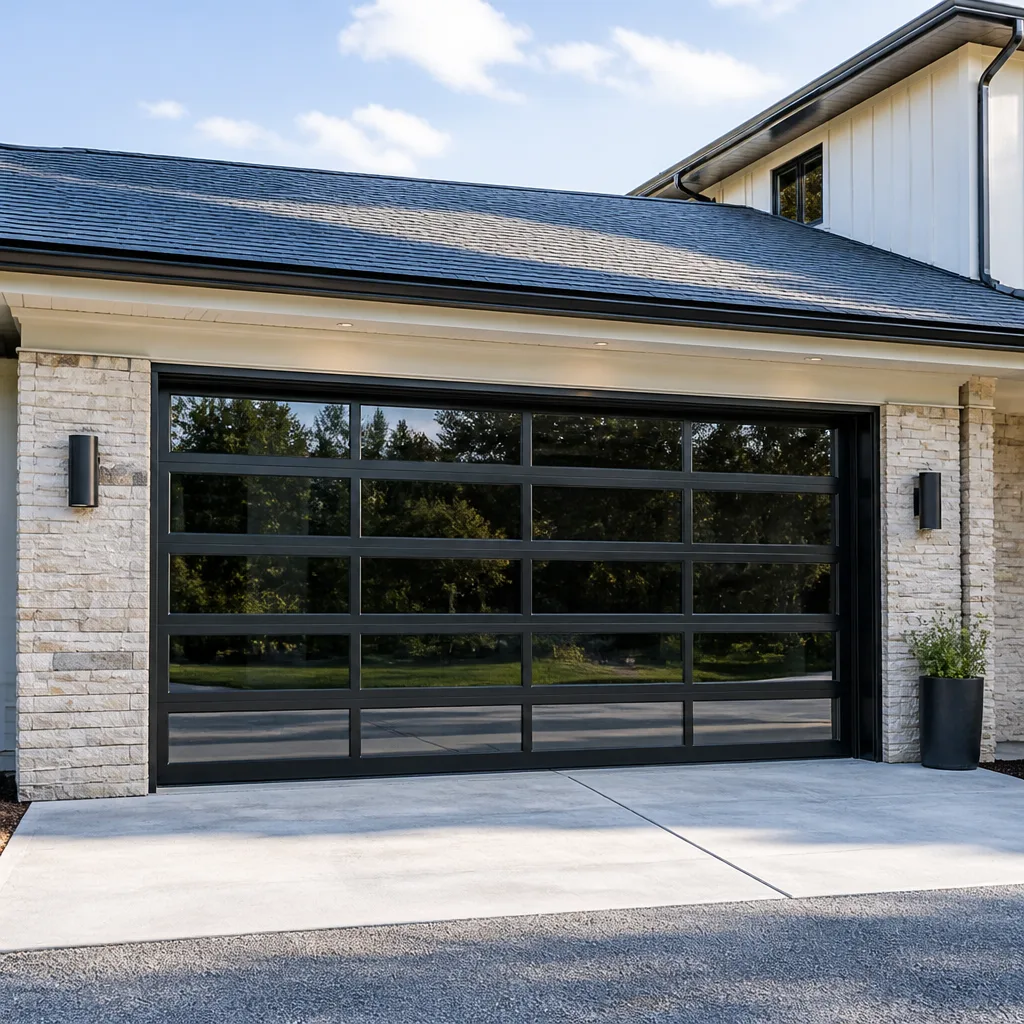 Full-view glass
 LiftMaster openers
 Chamberlain openers
Full 25-point door and opener safety check with every visit - springs, cables, rollers, tracks, and your LiftMaster or Chamberlain opener included
You get a price before we start. It does not change when the pro arrives.
Get your free estimateGarage Door Repair Maintenance Schedule: What to Do and When
Most homeowners treat garage door maintenance as a once-a-year event, if they think about it at all. That’s the mistake. Your door cycles roughly 1,500 times a year, and the parts that fail first aren’t the ones an annual glance catches. Springs, rollers, and cables wear on different timelines, and every one of those timelines runs silently between inspections. A single yearly checklist can’t track three different clocks at once. What actually works is three separate routines at three different intervals, each aimed at a different failure timeline. This guide lays out all three for Midland homeowners, task by task, with the reasoning behind each one.
Quick Answer
A garage door maintenance schedule has three tiers: monthly visual checks of cables, rollers, and weather seals; quarterly lubrication and a balance test; and an annual inspection of load-bearing parts like springs, hinges, and fasteners. Each tier targets failures on a different timeline, so skipping any one of them is what turns a small worn roller into a snapped cable.
Styles & brands we work with
- Raised-panel steel
- Carriage house
- Modern flush
- Full-view glass
- LiftMaster openers
- Chamberlain openers
Table of Contents
- Why One Annual Checklist Isn’t Enough
- The Monthly Visual Check: Five Minutes That Catch Real Problems
- The Quarterly Routine: Lubrication and the Balance Test
- Lubrication Mapping: What to Grease and What to Leave Alone
- The Annual Inspection: Load-Bearing Components
- How West Texas Wind, Dust, and UV Change the Schedule
- Why a Maintenance Log Saves You Money on Repairs
- Common Mistakes to Avoid
Why One Annual Checklist Isn’t Enough
A garage door is a mechanical system under constant load, and different parts fail on completely different clocks. Weather seals degrade slowly over a couple of years. Rollers wear over months of cycling. Springs and cables sit under tension every second of every day, whether the door moves or not, and they fail without warning when fatigue finally wins. If you inspect everything once a year, you’re only ever catching the slow stuff. The fast-moving failures happen between your inspections, and you find out about them when something breaks.
The three-tier approach fixes that by matching inspection frequency to failure speed:
- Monthly: the parts that fail suddenly and dangerously – cables, rollers, seals, and obvious hardware looseness. A visual pass catches most of these before they turn into a repair call.
- Quarterly: lubrication and the balance test, which catch friction and spring tension problems while they’re still cheap to correct.
- Annually: the load-bearing inspection – springs, hinges, fasteners, opener force settings, and a full mechanical assessment. This is the tier that benefits from a trained eye.
Collapsing all three into one yearly task is the reason so many Midland homeowners feel like they’re always reacting. The schedule isn’t hard. It just has to run on the right intervals. Once it does, most repair calls become scheduled maintenance instead of surprises.
The Monthly Visual Check: Five Minutes That Catch Real Problems
The monthly check is a look, not a service. You’re not adjusting anything or taking anything apart. You’re walking the door and looking for the four or five problems that announce themselves early if you know where to look. Five minutes, once a month, is enough.
Here’s the routine, in order:
- Walk the full perimeter. Look at the weather seal along the bottom and sides. Cracks, gaps, or sections that have pulled loose mean dust and pests are getting in.
- Look at the cables. Both cables should run clean and straight from the drum to the bottom bracket. Fraying, loose coils, or a cable that’s slipped off its drum is a stop-now problem. Don’t touch a cable under tension – call a professional.
- Check the rollers. The rollers are the wheels that ride in the track. Look for flat spots, cracks, or one that’s worn visibly out of round. A worn nylon roller is a small fix; a seized steel one chews up the track.
- Look for loose hardware. Brackets, hinges, and track bolts work loose over months of vibration. If something rattles when the door moves, it’s loose.
- Listen. A door that rumbles, squeals, or bangs a little more than it did last month is telling you something is wearing.
Midland’s dust load matters here. The fine dust that settles on the door and in the tracks acts like a mild abrasive, and seasonal wind events push it into every joint. That’s why the monthly pass matters more here than in a wetter climate – you’re checking for grit buildup and dust-packed rollers more often than a homeowner in a damp region would need to.
If any of these monthly checks turns up something you’re not sure about, a quick call is cheaper than waiting. We handle garage door repair across the trade, and diagnosing a small issue before it grows is part of the job.
The Quarterly Routine: Lubrication and the Balance Test
Every three months, the door gets two things a monthly glance can’t provide: proper lubrication and a balance test. This is the tier that catches spring tension problems early, and it’s the one most homeowners skip entirely.
Lubrication
Lubrication is covered in detail in the next section, but the short version for the quarterly pass: a few drops on each hinge pivot, a light coat on the rollers, and a pass on the torsion spring if your setup calls for it. Do it before the balance test, because a freshly lubricated door gives you a cleaner read on balance.
The Balance Test
The balance test tells you whether the springs are still doing their share of the lifting. Here’s the procedure:
- Disconnect the opener. Most openers have a release cord. Pull it so the door moves by hand only. Never test balance with the opener connected.
- Raise the door halfway. About waist-to-chest height.
- Let go. The door should hold its position, or drift very slightly.
- Raise it to about a foot off the floor and let go. It should stay put, or close slowly under its own weight. It should not drop.
- Reconnect the opener. Some systems need the opener carriage re-engaged; check your opener’s manual if you’re unsure.
What a failed result means mechanically: if the door won’t hold halfway, the springs have lost tension and the opener is carrying the full weight of the door. That’s the failure mode behind most premature opener motor burnout and stripped plastic gears. If the door drops hard from a foot up, the spring system is over-tensioned or the wrong spring was installed. Either result is a reason to have the springs looked at before the opener gets damaged too. Do this test twice a year at minimum, and quarterly if your door feels heavier than it used to.
Spring work on a torsion system is one of the most dangerous jobs in this trade. A wound torsion spring stores a serious amount of energy. Don’t adjust, unwind, or replace one yourself – that’s a job for a trained technician, and it’s the reason we treat spring failures as a call-in item on every schedule we lay out.
Lubrication Mapping: What to Grease and What to Leave Alone
Lubrication is where well-meaning homeowners do the most damage. Not everything on a garage door wants oil, and a few components should never be lubricated. Here’s the map.
Components that need lubrication
- Hinge pivots: a drop on each pivot point, once a quarter.
- Roller stems and bearings: a light coat, not a soak. Too much attracts dust.
- Torsion spring coils: a light film is fine on most systems, but check your door’s manual; some manufacturers call for dry springs.
- The lock cylinder and latch mechanism, if your door has one.
- The opener’s chain or belt, where the manual specifies a lubricant.
Components that should never be lubricated
- The tracks. This is the number one mistake. Tracks are meant to be clean and dry. Grease on a track attracts dust and grit, which turns into a paste that galls the rollers and packs the track. Clean tracks with a dry cloth or a slightly damp one; never spray them.
- Nylon rollers. Nylon is self-lubricating. Adding oil just collects grit.
- Weather seals. Oil degrades the rubber or vinyl. Clean them, don’t grease them.
What to buy, and what to avoid
For most jobs, a purpose-made garage door lubricant is the one product worth buying. It’s designed to stay where you put it without attracting dust. Skip three things: general-purpose WD-40 as a long-term lubricant (it’s a solvent and displaces water, but doesn’t lubricate well), silicone sprays on anything near the seals, and any heavy grease. Heavy grease is the fastest way to pack your tracks with West Texas dust. On a related note, the same grit that packs the tracks works its way into opener gears and rails. If your opener is starting to strain, our garage door opener repair page covers what’s worth fixing on LiftMaster, Chamberlain, and Genie systems, and what isn’t.
The Annual Inspection: Load-Bearing Components
The annual inspection is the tier that rewards a trained eye. This is the load-bearing pass: the parts that carry the door’s weight and hold it safely overhead. It’s also the tier where you want someone who works on garage doors all day, every day, rather than a general handyman with a socket set.
What the annual pass covers:
- Springs: a technician checks for fatigue, rust, and the first signs of fatigue cracking. Torsion and extension springs both get looked at, and the wrong spring length or wire gauge is flagged before it becomes a wear problem.
- Cables and drums: cable condition, drum wear, and whether the cables are seated properly on the drums.
- Hinges and brackets: fastener torque and hinge wear.
- Track alignment: is the track straight, level, and evenly gapped along its length?
- Opener force and travel limits: the opener should be set to stop and reverse on a modest obstruction, not a heavy one. This is a safety setting, and it deserves a proper check.
- Panel condition: dents, cracks, and separation are checked on doors from Clopay, Amarr, Wayne Dalton, and other major manufacturers we service. On a wood or composite door, paint and finish get a look too, since UV damage starts at the surface.
On a multi-brand door, the annual inspection also catches the small model-specific quirks that show up over years of use: a hinge pattern that loosens faster than usual on some Wayne Dalton doors, or a roller style that needs checking more often on certain panel profiles. A specialist who works across eight major brands – LiftMaster, Chamberlain, Genie, Clopay, Amarr, Wayne Dalton, Craftsman, and Raynor – knows what normal looks like on your door, which is half of what an inspection is for. The other half is knowing when “normal wear” is actually the start of a failure. If you’re in Midland, we’ll come out, inspect the door, and give you a written assessment before anything is scheduled.
How West Texas Wind, Dust, and UV Change the Schedule
A maintenance schedule written for a mild, wet climate doesn’t quite fit here. Midland’s environment puts specific components on a faster clock, and it’s worth knowing which ones so you can shift your inspection frequency to match.
Wind and dust
The fine, dry dust that blows through the Permian Basin settles on every horizontal surface, and the door’s tracks are horizontal surfaces that gather it. When the door cycles, that grit works between the rollers and the track, and between the hinge pins and their pivots. The result is accelerated roller wear and loose hinges. If you live on the west side of Midland, where the wind runs a little harder off the open ground, plan on checking rollers and hinges more often than the monthly baseline, maybe every two to three weeks during the windier months. A dry cloth pass on the tracks every week keeps dust from packing.
UV exposure
Midland’s sun is hard on anything that isn’t under shade. On a west-facing door, UV degrades the weather seal faster than the calendar suggests: the rubber or vinyl cracks and pulls away from the bottom edge, which lets in dust and pests and makes the door less weather-tight. Check the seal every month, not just at the annual inspection, and expect to replace it more often than a coastal climate guide would tell you. On painted or stained doors, UV also dulls the finish and eventually cracks the surface. If you see chalking or fine surface cracks, that’s a repaint-or-restain signal, and it’s cheaper than a panel replacement.
Temperature swings
Spring nights and warm days in Midland mean the metal door and the opener mechanism cycle through temperature changes. That’s normal wear and doesn’t call for anything unusual. What it does call for is a check on the opener’s force settings at the annual inspection, since cool-morning stiffness and warm-afternoon looseness are both normal and the opener should be set to handle the range, not the middle.
None of this means a Midland door needs more service than a door anywhere else. It means the inspection intervals on dust-sensitive and UV-sensitive components should be tightened up, and everything else stays on the standard three-tier schedule. If you’re trying to figure out the right frequency for your specific door, our Midland page is a good place to start, and we’re happy to talk through your setup before you schedule anything.
Why a Maintenance Log Saves You Money on Repairs
A maintenance log is the least glamorous item in this guide and the one that pays off fastest. It’s a notebook, a note on your phone, or a spreadsheet. It doesn’t matter which. What matters is what you write down and what a technician can do with it.
What to log:
- Dates of each monthly, quarterly, and annual check.
- What you lubricated and when.
- Balance test results, even if they were fine – “held halfway, no drift” is useful data.
- Any noise, drag, or visible wear you noticed, with the date.
- Any repairs or parts replaced, with the date and what was done.
Here’s where the log earns its keep. When a technician arrives, a written history lets them skip the generic diagnostic pass and go straight to the parts that are most likely to be failing. If the log shows the springs held their balance test six months ago and the door started dragging last week, the diagnostic narrows immediately. That saves time on the service call and often narrows the repair estimate. It also stops the most common mistake in this trade: replacing a part that was already replaced recently because nobody wrote it down. On a multi-brand door – a Clopay or Amarr, say – the model and part history in the log can also tell a technician whether a failure is normal wear or the result of a worn component on the other side of the system.
Keep the log somewhere obvious, like the wall next to the door or a note on your phone. If you’ve had service on the door before, add the date and what was done. The next person to look at the door will thank you, and the invoice will be smaller for it.
Common Mistakes to Avoid
- Greasing the tracks. It’s the single most common mistake. Grease turns into a dust paste in Midland’s dry air, and the paste galls the rollers. Clean the tracks dry and leave them dry.
- Skipping the balance test because the door “seems fine.” A door can feel normal for months while the springs quietly lose tension. The opener is carrying the extra weight, and the opener is what fails first.
- Using WD-40 as a long-term lubricant. It’s fine for freeing a stuck part in the moment, but it doesn’t last as a lubricant, and it attracts dust. Use a purpose-made garage door lubricant instead.
- Ignoring a frayed cable because the door still opens. A frayed cable is a stop-now problem. It can fail under load, and a snapped cable can drop the door or whip. This one is a call-in item, not a wait-and-see item.
- Adjusting the opener force setting yourself to fix a heavy door. Cranking up the force setting makes the door move, but it’s masking the real problem – usually tired springs – and it defeats the opener’s safety reverse. Have the springs checked instead.
- Overlooking the weather seal on a west-facing door. UV exposure breaks the seal down faster than most people expect, and a failed seal on a Midland door lets in dust and pests and lets conditioned air out. Check it monthly, not annually.
- Running the door with the opener connected during a balance test. You’ll get a false reading, since the opener will hold the door. Always pull the release cord first.
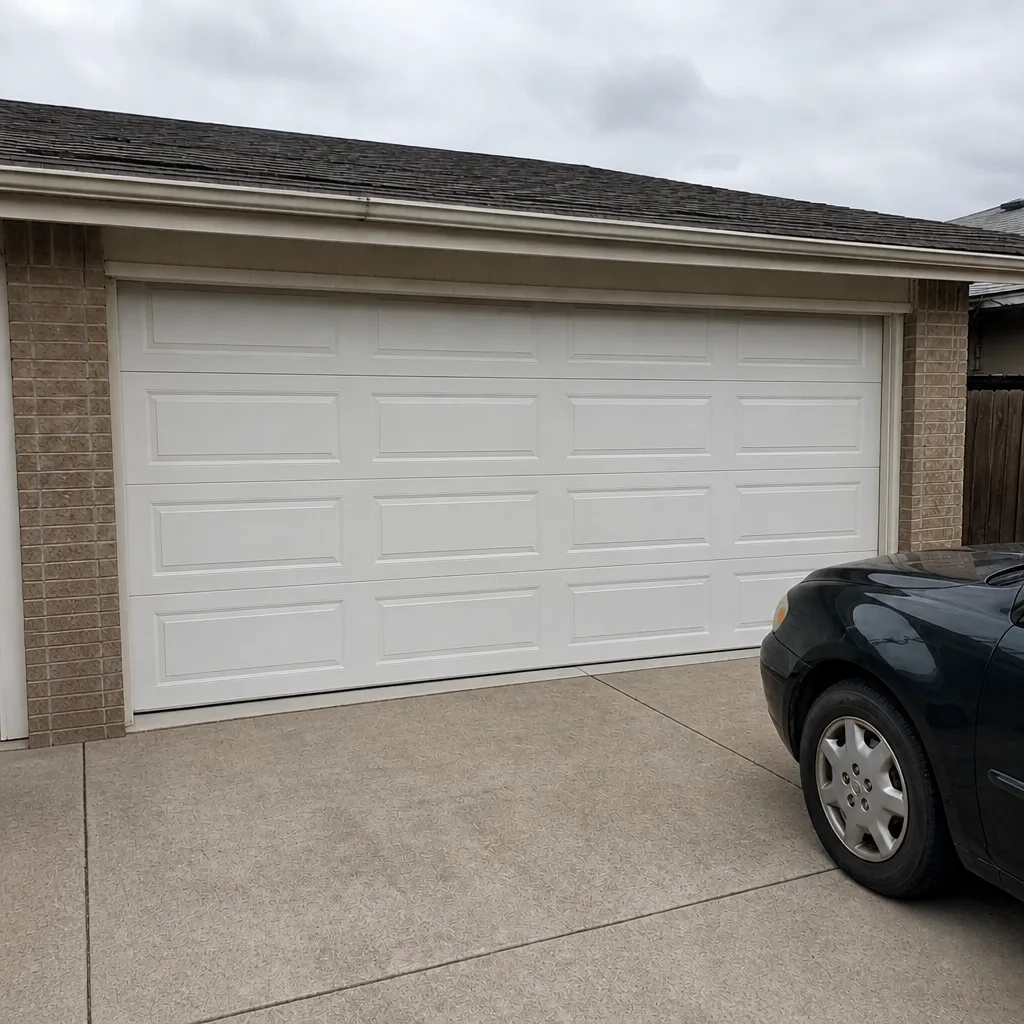
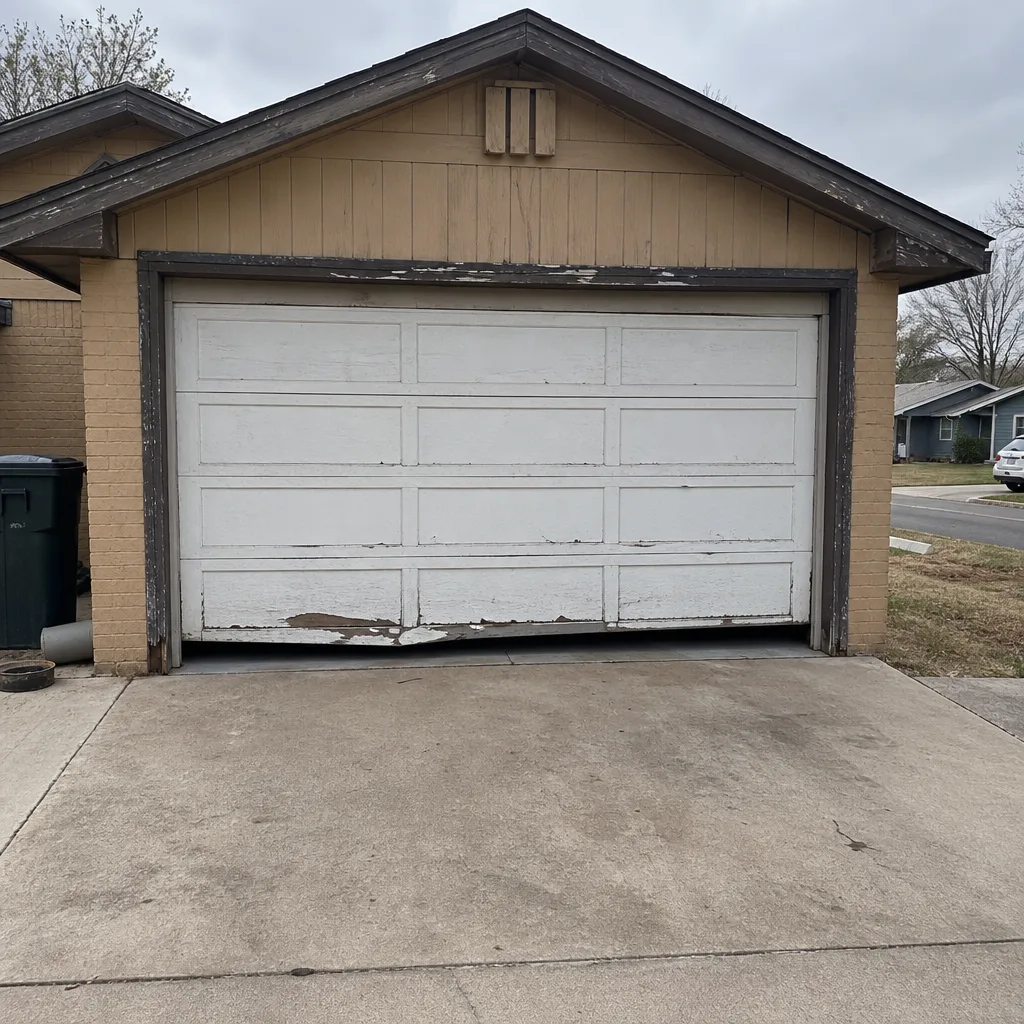
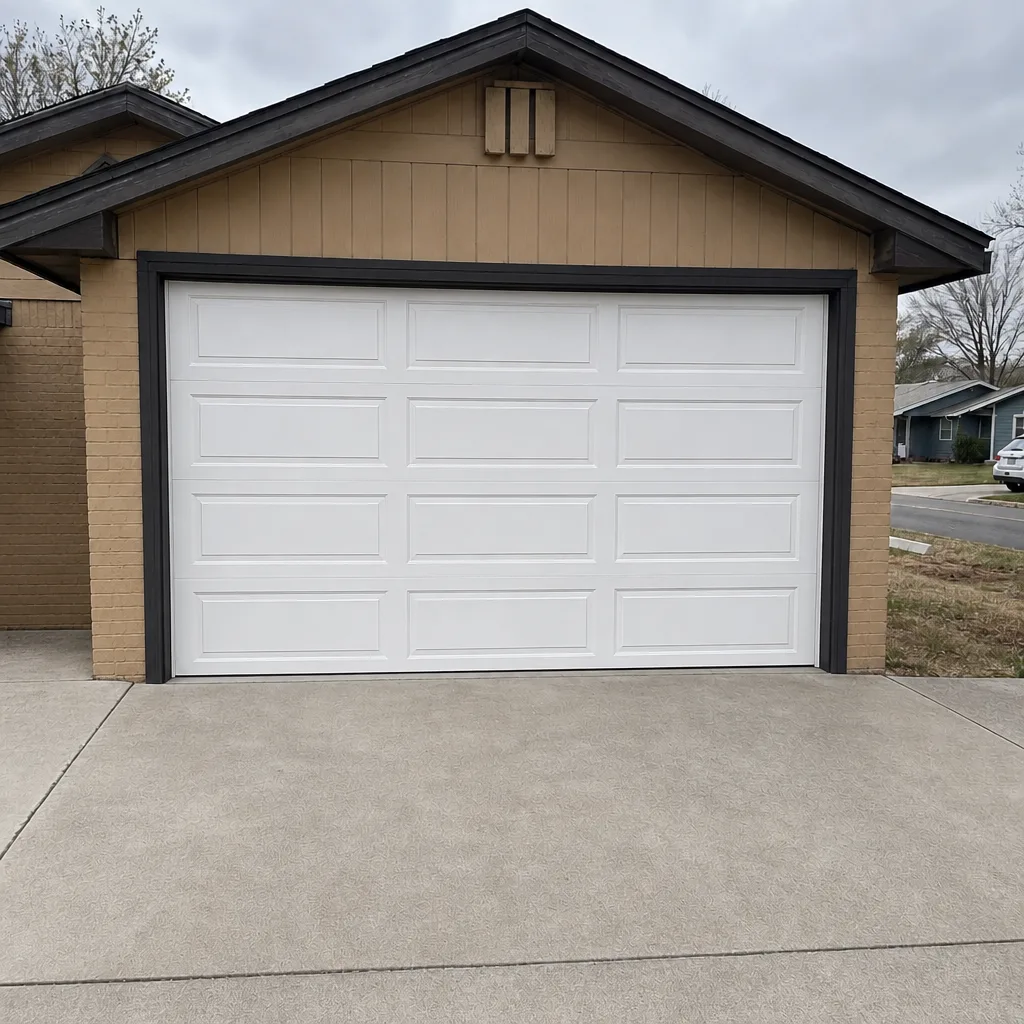
See the difference
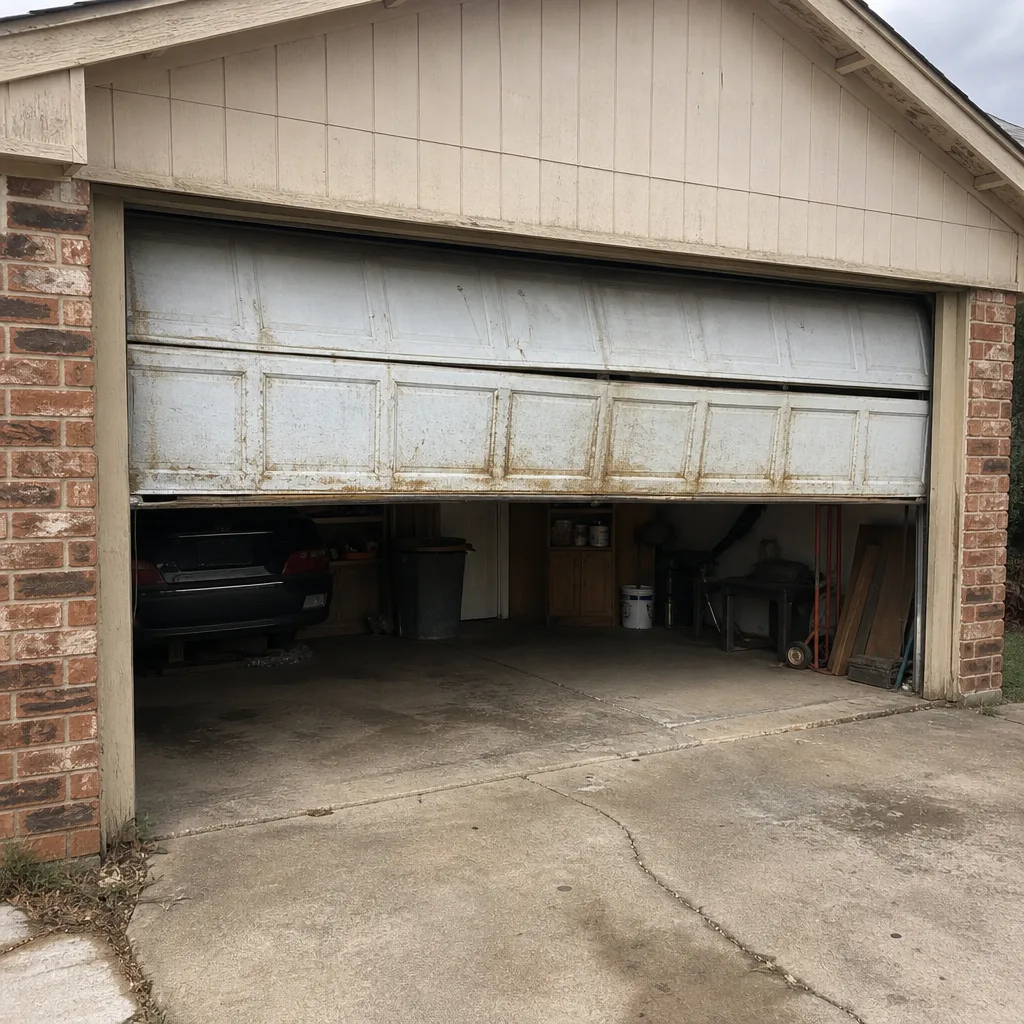 Before
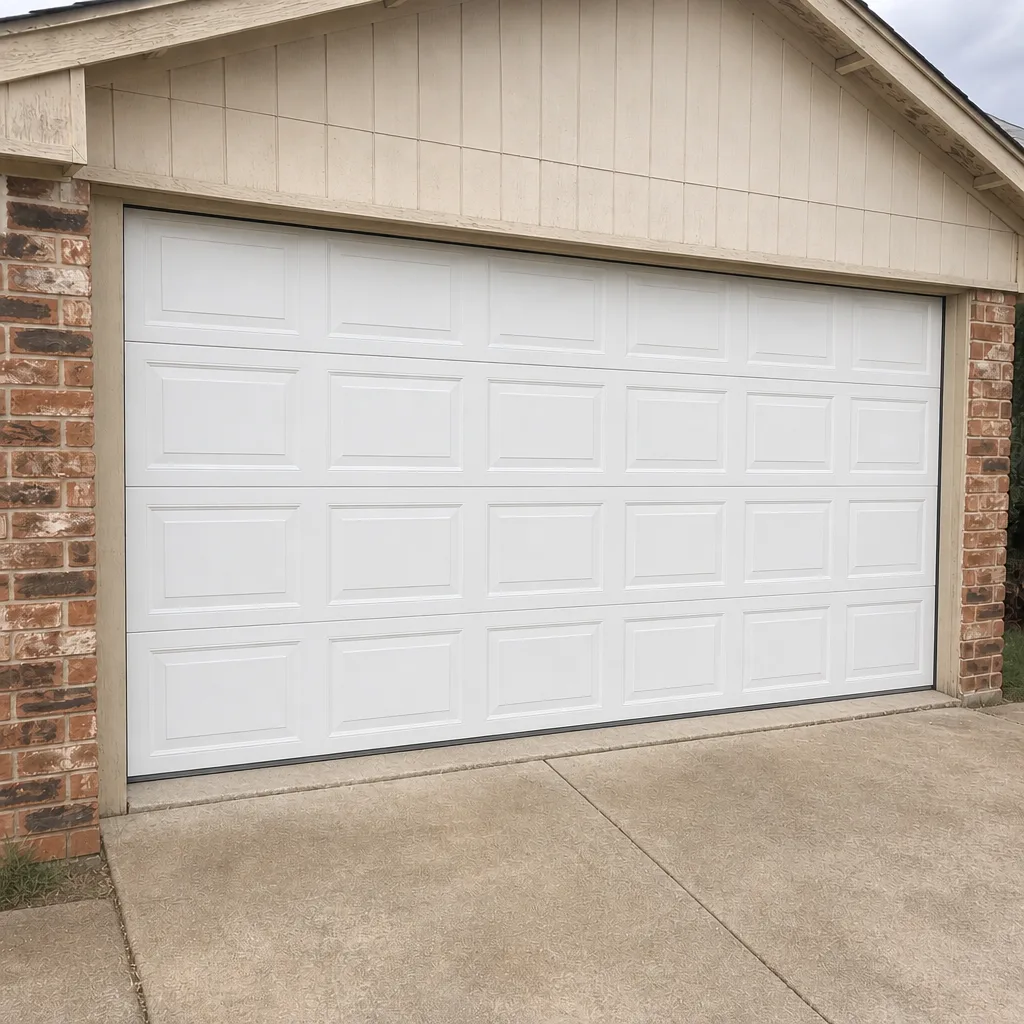 After
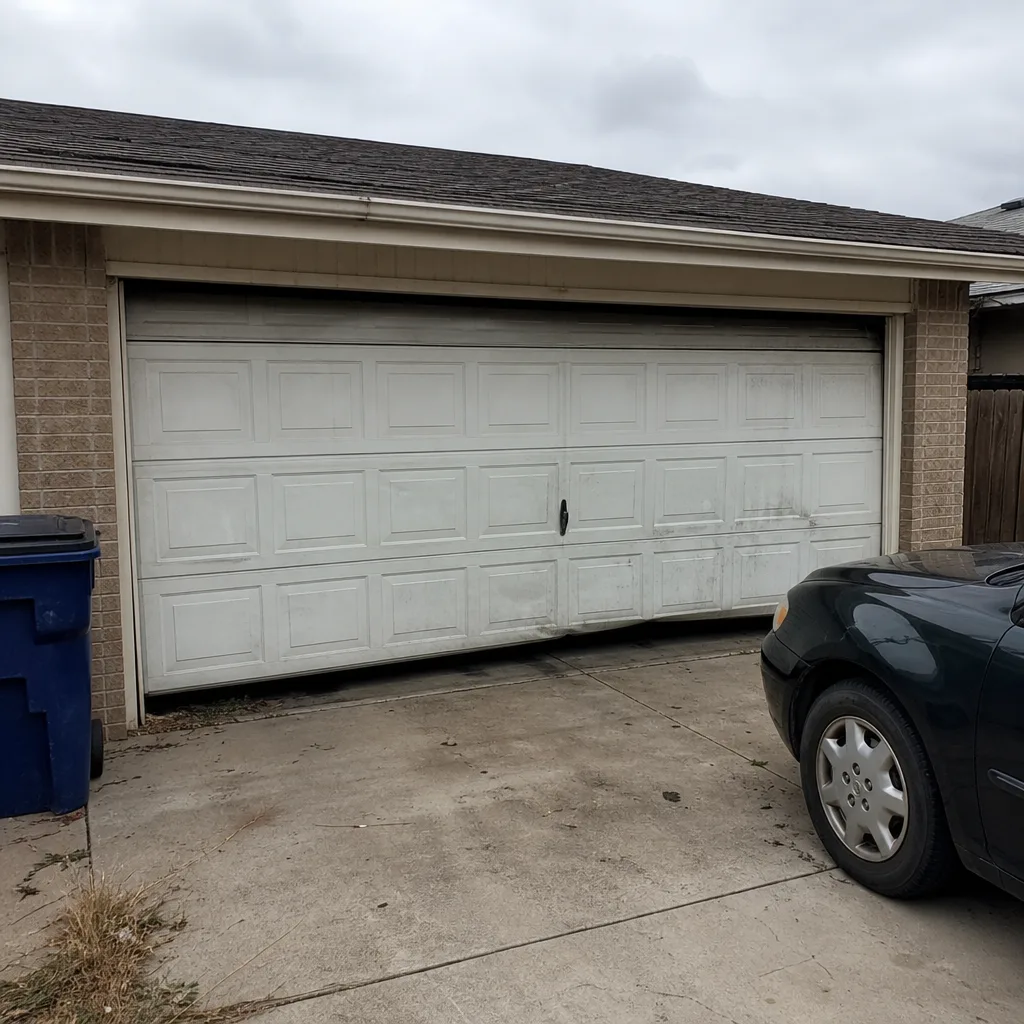 Before
 After
 Before
 After
When to Call a Professional
Most of the monthly and quarterly schedule is homeowner work. A few things are not, and those are worth knowing cold. Call a professional when a cable is frayed, kinked, or off its drum; when a spring is visibly broken, rusted through, or the door won’t hold its balance test after lubrication; when the door has dropped, jammed, or come off its track; when the opener runs but the door doesn’t move, or the door moves but the opener doesn’t reverse on an obstruction; and when the annual load-bearing inspection is due. Springs and cables are dangerous enough that a trained technician is the only reasonable choice, and everything else is diagnostic work where an experienced eye saves you money. Nautilus Garage Door Repair offers free estimates in Midland. Call (844) 904-1321. We answer 24/7. Fast dispatch from 7am to 7pm, Sunday through Friday. The price is quoted and agreed before any work starts, so there’s no invoice surprise later.
Frequently Asked Questions
Monthly for a visual check, quarterly for lubrication and a balance test, and annually for a full load-bearing inspection. Each tier targets failures on a different timeline, so the annual inspection alone isn’t enough – a worn roller or a tired spring can fail between annual visits. In Midland, tighten the monthly check to every two to three weeks during the windier months if your door faces open ground.
The balance test, done quarterly. It’s the cheapest way to catch spring fatigue before the opener gets damaged. A door that won’t hold halfway up means the springs have lost tension, and every cycle until that’s fixed is putting extra strain on the opener. If your balance test fails, call (844) 904-1321 – estimates are free.
No. Tracks are meant to be clean and dry. Lubricant on a track attracts dust and grit, which packs into a paste that wears the rollers and the track itself. Clean the tracks with a dry cloth and leave them alone. Lubricate the hinges, roller stems, and the lock instead, using a purpose-made garage door lubricant rather than a general spray.
Maintenance work is priced per job by the written estimate, and the estimate is free. The annual inspection is the tier most homeowners schedule with us, and the final price depends on the door, the opener, and what the inspection turns up. Call (844) 904-1321 for an exact quote – estimates are free, and the price is agreed before any work starts.
We answer 24/7, and a call outside dispatch hours is booked into the next opening, Sunday through Friday, 7am to 7pm. For a maintenance inspection, the visit is scheduled rather than same-day, since a full load-bearing check takes a proper appointment. Call (844) 904-1321 and we’ll find the next available slot.
Yes. Our technicians are licensed and insured, and they have up to 9 years of experience. We work across the full range of garage doors and openers, from repair and opener work to a full installation, so one company covers the whole lifecycle of your door. Call (844) 904-1321 for a free estimate – the price is agreed before any work starts.
The Bottom Line
A garage door maintenance schedule isn’t one checklist. It’s three routines on three intervals: a monthly visual pass for the parts that fail suddenly, a quarterly lubrication and balance check for friction and spring tension, and an annual load-bearing inspection for the parts that carry the door’s weight. Each tier catches something the others miss, and the annual visit is the one worth a specialist’s eyes. Combine that with a simple log and a check on the dust-sensitive and UV-sensitive parts that Midland’s climate wears down faster, and you’ll spend less time reacting to breakdowns and more time knowing your door is sound.
If you’re in Midland and want the annual inspection done properly – or you’ve found something on the monthly check that needs a trained look – call (844) 904-1321 for a free estimate. We service the door brands most homeowners already have, handle repair, opener repair, and installation, and quote every job before any work begins. The Nautilus Garage Door Repair team is here for the whole lifecycle of your door, from a single spring to a full installation.
Written by the team at Nautilus Garage Door Repair.